
毒物指南 · 植物
注意 秋海棠對貓有毒嗎?
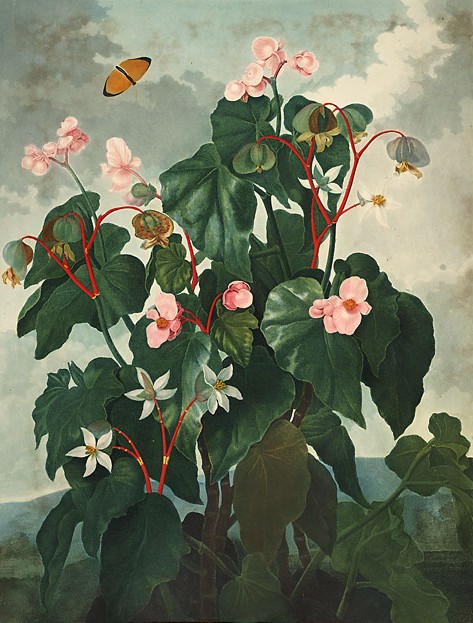
秋海棠
Begonia spp.
大致安全,但有一點要注意。
秋海棠是常見的室內植物與庭園花卉,種類繁多,但所有品種都對貓有毒。主要毒性成分是可溶性草酸鈣,濃度最高的位置在地下塊莖、根莖與根系。
根莖葉子花
貓咪可能出現的症狀
由嚴重到輕微排列。
- 1 嘔吐 快速(攝入後不久)。 · This is a common sign of ingestion. While often self-limiting, persistent vomiting can lead to dehydration.Difficulty Swallowing (Dysphagia)
- 2 肝衰竭 延遲(毒素吸收後)。 · While rare, if a cat consumes the roots (which contain the highest concentration of toxins) and the toxin enters the bloodstream, it can travel to the liver and cause serious organ failure. Note: Kidney failure is typically associated with grazing animals consuming begonias, not cats.
- 3 口腔、舌頭與嘴唇強烈灼熱、發紅及刺激;口腔潰瘍 立即(咬下或咀嚼時)。 · The first taste often produces an unpleasant sensation and pain, which typically limits how much of the plant the cat ingests.
- 4 吞嚥困難 快速(與口腔腫脹/疼痛相關)。 · The cat may also show a disinterest in food and water due to the pain in the mouth and throat.Liver Failure (Rare)
- 5 流涎(唾液分泌過多) 立即至快速。 · Drooling is a physiological response to the burning sensation and irritation caused by the oxalates in the mouth and throat.
重要提醒
秋海棠是常見的室內植物與庭園花卉,種類繁多,但所有品種都對貓有毒。主要毒性成分是可溶性草酸鈣,濃度最高的位置在地下塊莖、根莖與根系。 可溶性草酸鈣可能被吸收入血液;如果攝取量足夠大,會造成更全身性的影響,包括電解質失衡。特別是會挖盆栽、啃咬根部或塊莖的貓風險最高。
- 症狀:流涎、嘔吐和腹瀉是最常見的徵象;暴露量較大時,可能出現電解質失衡。
- 根和塊莖毒性最高:葉子和花的草酸鹽含量較低,但地下部位濃度明顯更高,必須避免貓接觸。
- 處理方式:如果貓咬過根部或塊莖,或出現超過輕微流涎與單次嘔吐的情況,請聯絡獸醫。
資料來源 已審閱 · 條目 ID begonia_spp
此摘要彙整自多個來源,僅供資訊參考,不構成診斷或治療計畫。毒性會因物質、攝入量、植物部位與個別貓咪狀況而異。若你懷疑貓咪接觸到有毒物質,請立即聯絡獸醫。