After three years of living with cats, we learned just how many houseplants are toxic to them. Every time we want to bring home a new potted plant, we have to stop and think first.
That is why we built MewGuard, the website and app. We pulled together data from the ASPCA (American Society for the Prevention of Cruelty to Animals) and other plant and food toxicity databases to compile a list of 300+ plants known to be toxic to cats. We hope it helps fellow cat owners who also love greenery; if you want to look beyond what is covered here, you can search MewGuard directly.
In this article, we use a three-tier rating — low risk, use caution, and toxic — to walk through 8 of the most common houseplants. The goal: a quick read that helps you decide whether each plant belongs in your home, or somewhere your cat cannot reach.
Safety note: If you suspect your cat has ingested a toxic plant, contact your veterinarian immediately.
🟢 Low Risk
A “low risk” label means the plant itself is unlikely to cause acute harm to cats. But cats are obligate carnivores — eating too much plant material will still upset their digestive system and can trigger vomiting.
It is also worth remembering that commercial potting soil and the leaves themselves may carry trace pesticides or other substances harmful to cats. “Low risk” does not mean the plant is safe for your cat to chew on freely.
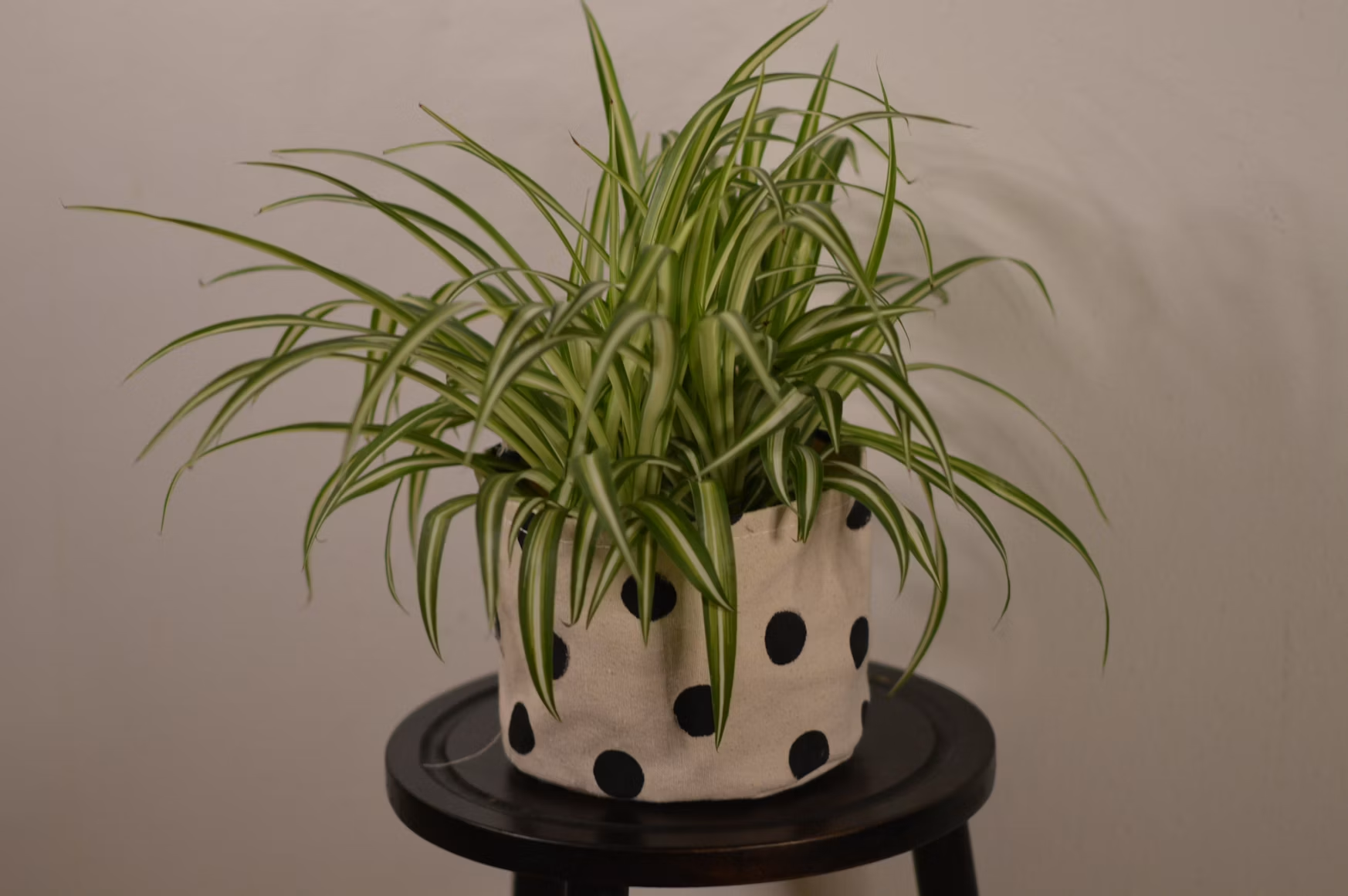
Spider Plant Chlorophytum comosum
The ASPCA lists spider plants as non-toxic and safe for cats. That said, the leaves are widely reported to contain opiate-related, mildly hallucinogenic compounds — weaker than true opiates, but enough that some cats appear “tipsy” after chewing the leaves, and may come back for more in an addictive pattern.
https://mewguard.app/en/toxins/plants/chlorophytum_spp/
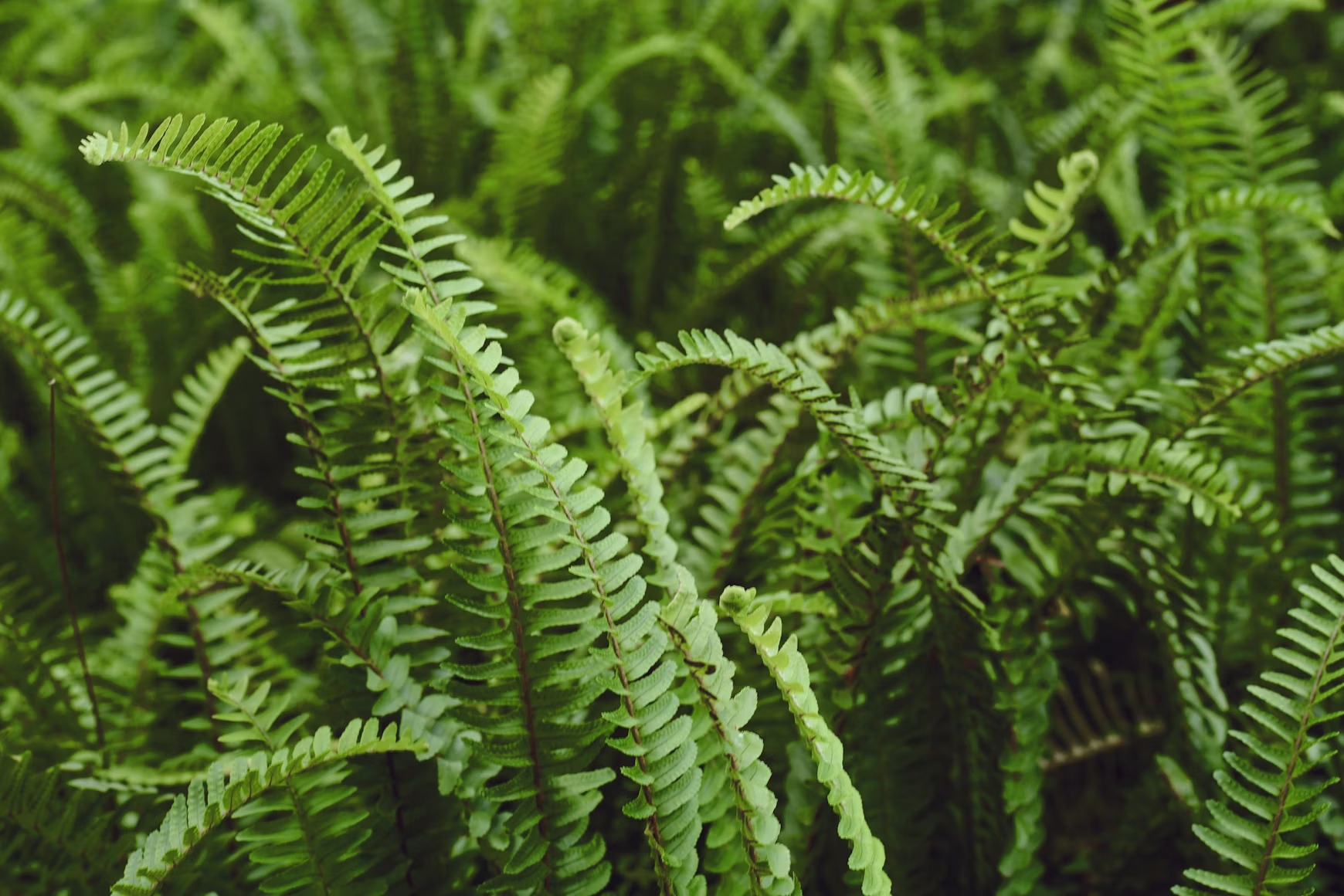
Boston Fern Nephrolepis exaltata
Boston ferns are a popular houseplant, and their lush, feathery fronds tend to attract curious cats. They are safe for cats.
https://mewguard.app/en/toxins/plants/boston-fern/
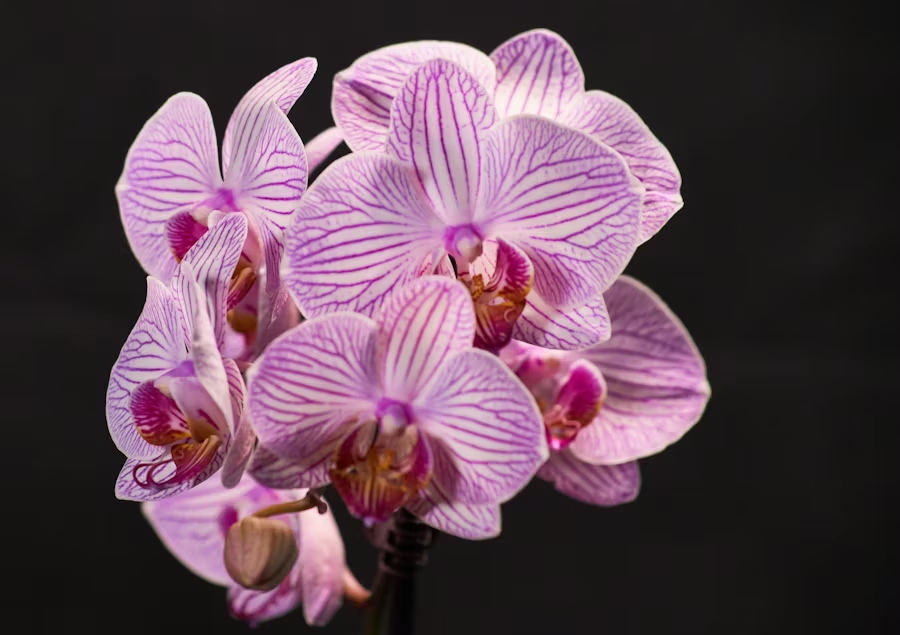
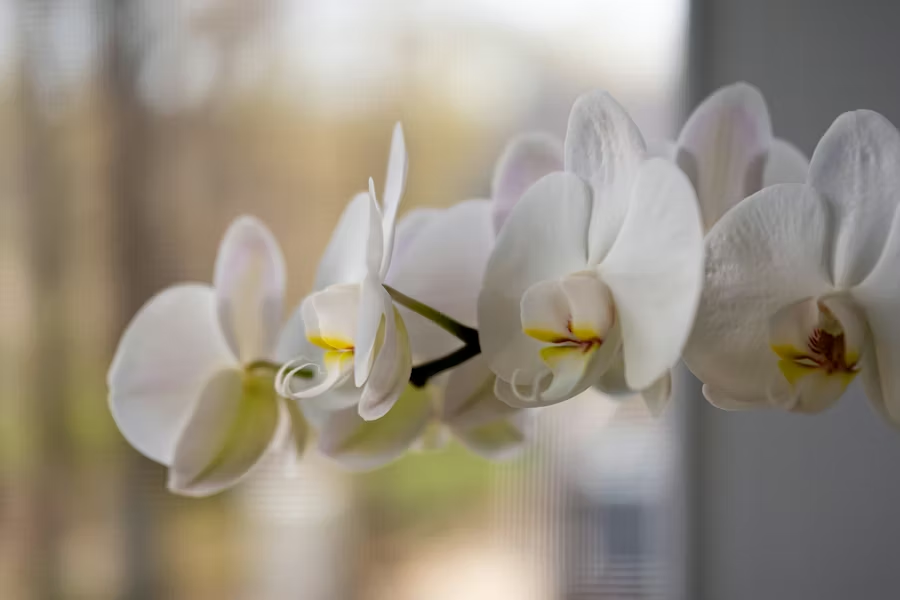
Moth Orchid Phalaenopsis spp.
Moth orchids are one of the most popular orchids and are completely safe for cats. They are elegant, long-blooming, and worry-free as houseplants. Phalaenopsis orchids as a genus are generally safe for cats.
https://mewguard.app/en/toxins/plants/phalaenopsis-orchid/
🟡 Use Caution
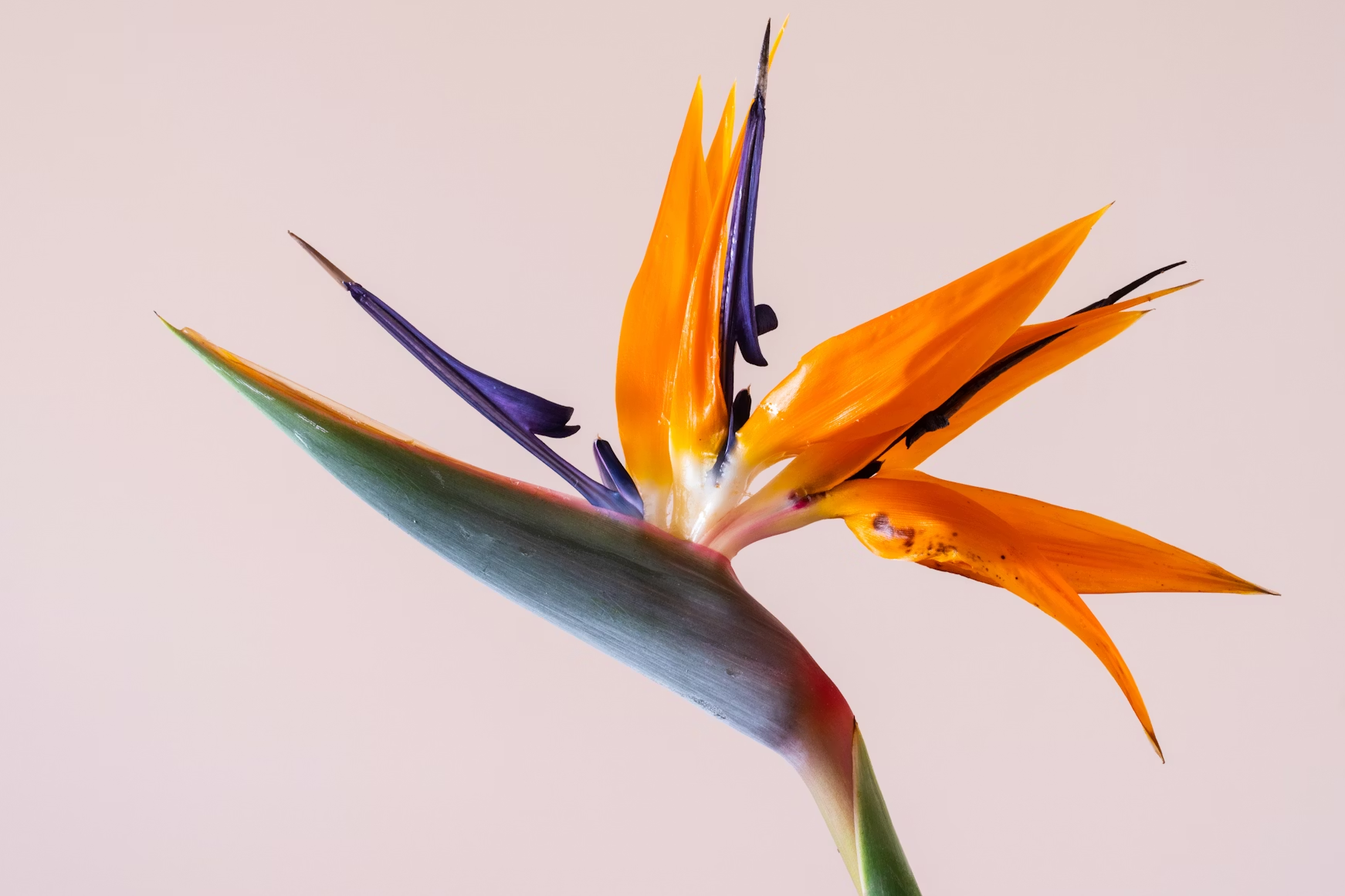
Bird of Paradise Strelitzia reginae
Bird of paradise is mildly toxic to cats. The seeds contain small amounts of hydrocyanic acid; although the toxicity is not severe, cats are far more sensitive to these compounds than humans, so ingesting the flowers or seeds tends to trigger noticeable nausea, vomiting, and diarrhea.
https://mewguard.app/en/toxins/plants/strelitzia_reginae/
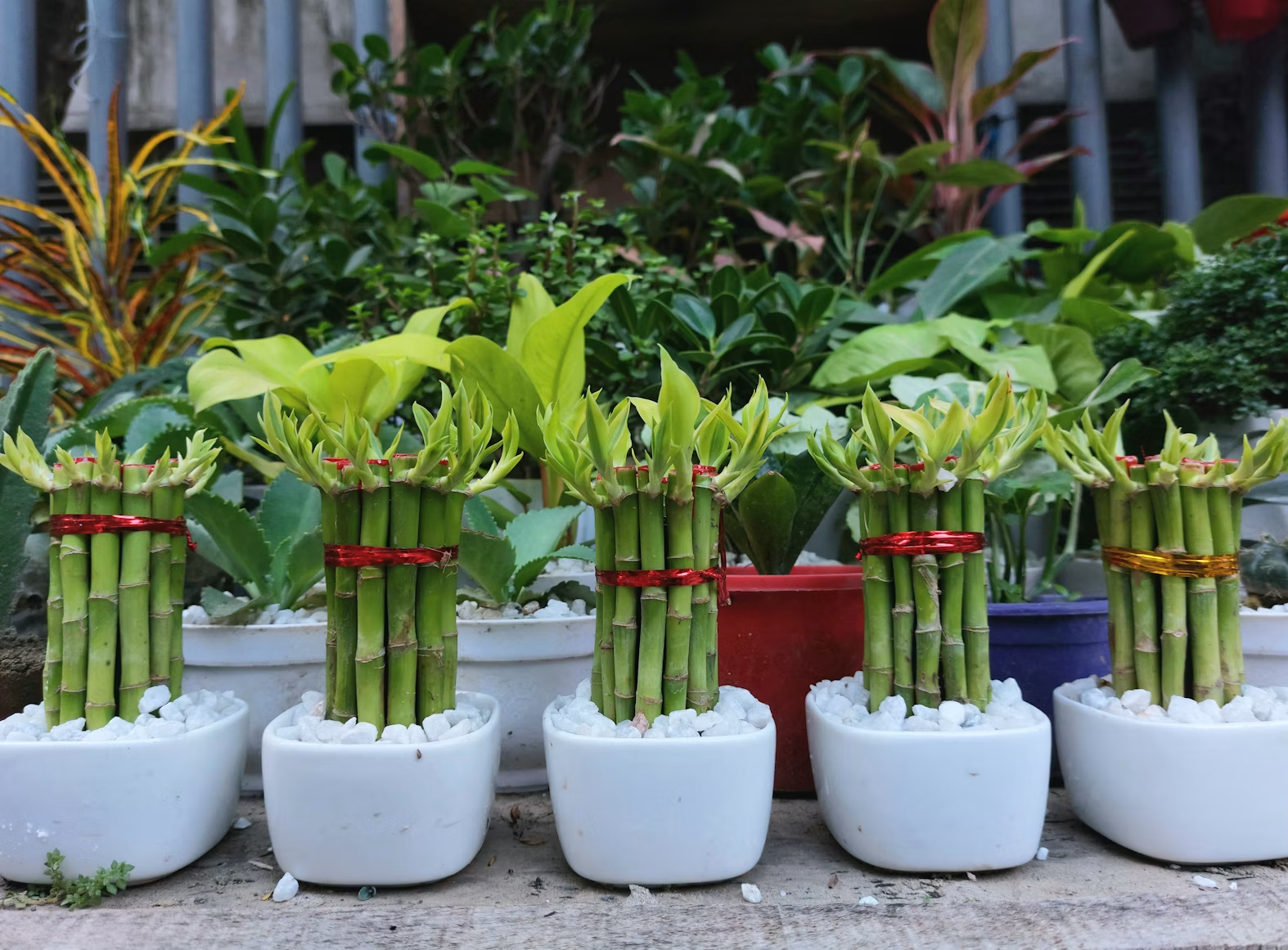
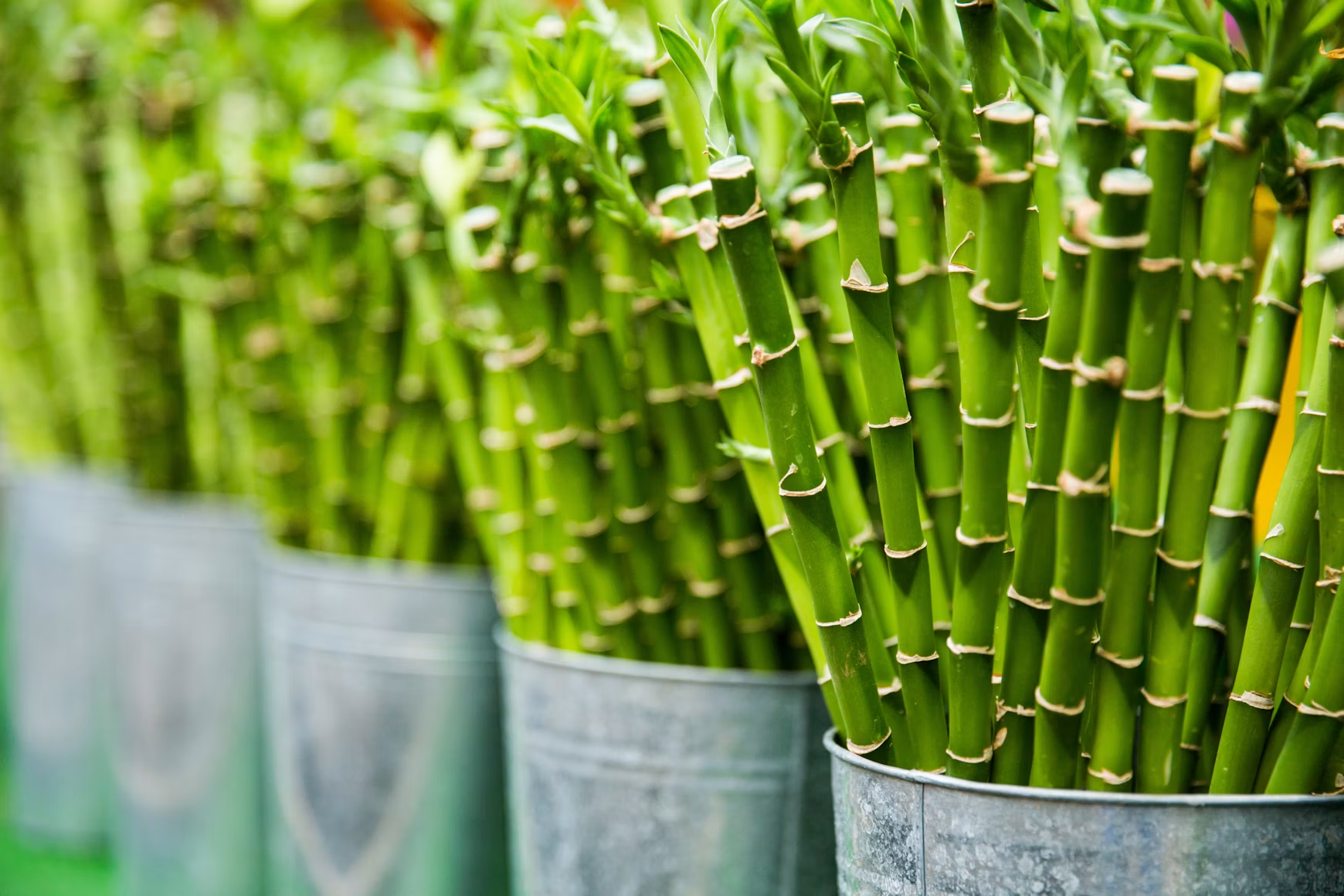
Lucky Bamboo Dracaena sanderiana
Lucky bamboo is not actually bamboo — it is a Dracaena species, and it contains a relatively high concentration of saponins. Ingestion can cause vomiting (sometimes with blood), and dilated pupils are a hallmark sign of Dracaena poisoning in cats.
https://mewguard.app/en/toxins/plants/dracaena_sanderiana/
🔴 Toxic
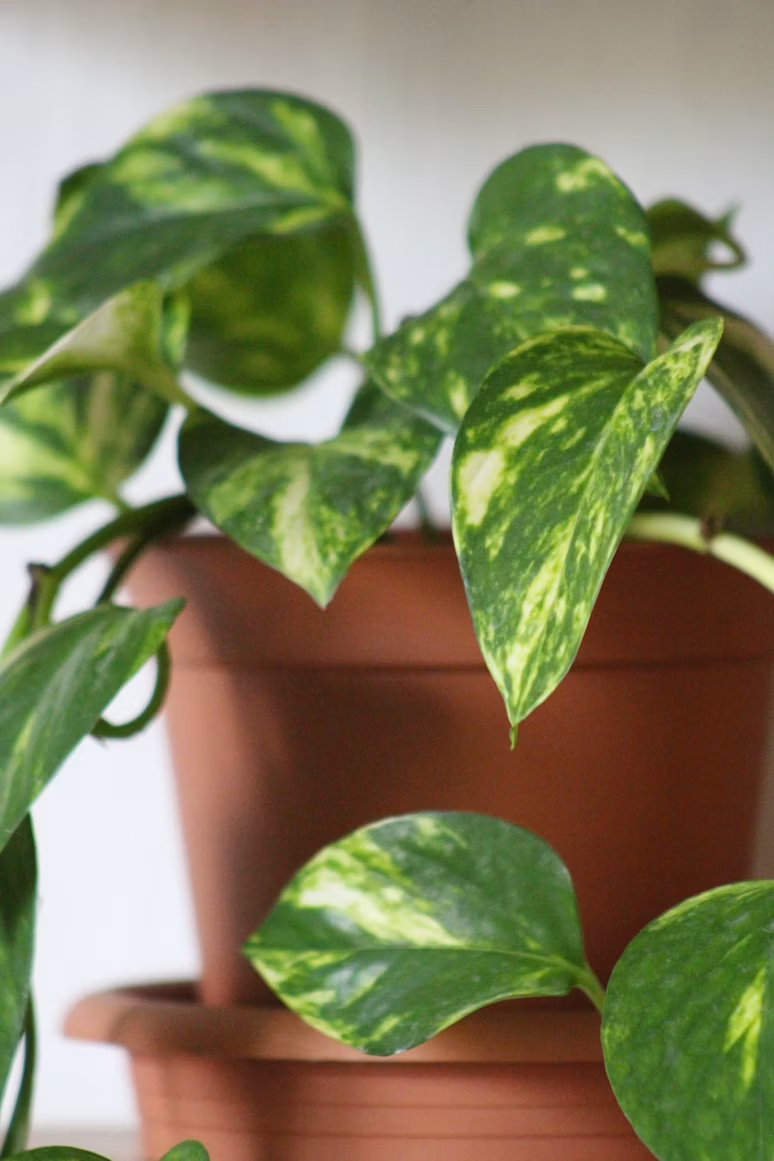
Golden Pothos / Pothos / Devil’s Ivy Epipremnum aureum
Golden pothos may be the single most common houseplant — and one of the most common causes of plant poisoning in cats. Pothos belongs to the Araceae family, and nearly every part of the plant carries calcium oxalate crystals: microscopic needle-shaped crystals that cause severe oral pain. After chewing, cats often drool heavily from the pain or paw repeatedly at their mouths, with the lips and tongue swelling.
https://mewguard.app/en/toxins/plants/epipremnum_aureum_or_epipremnum_spp/
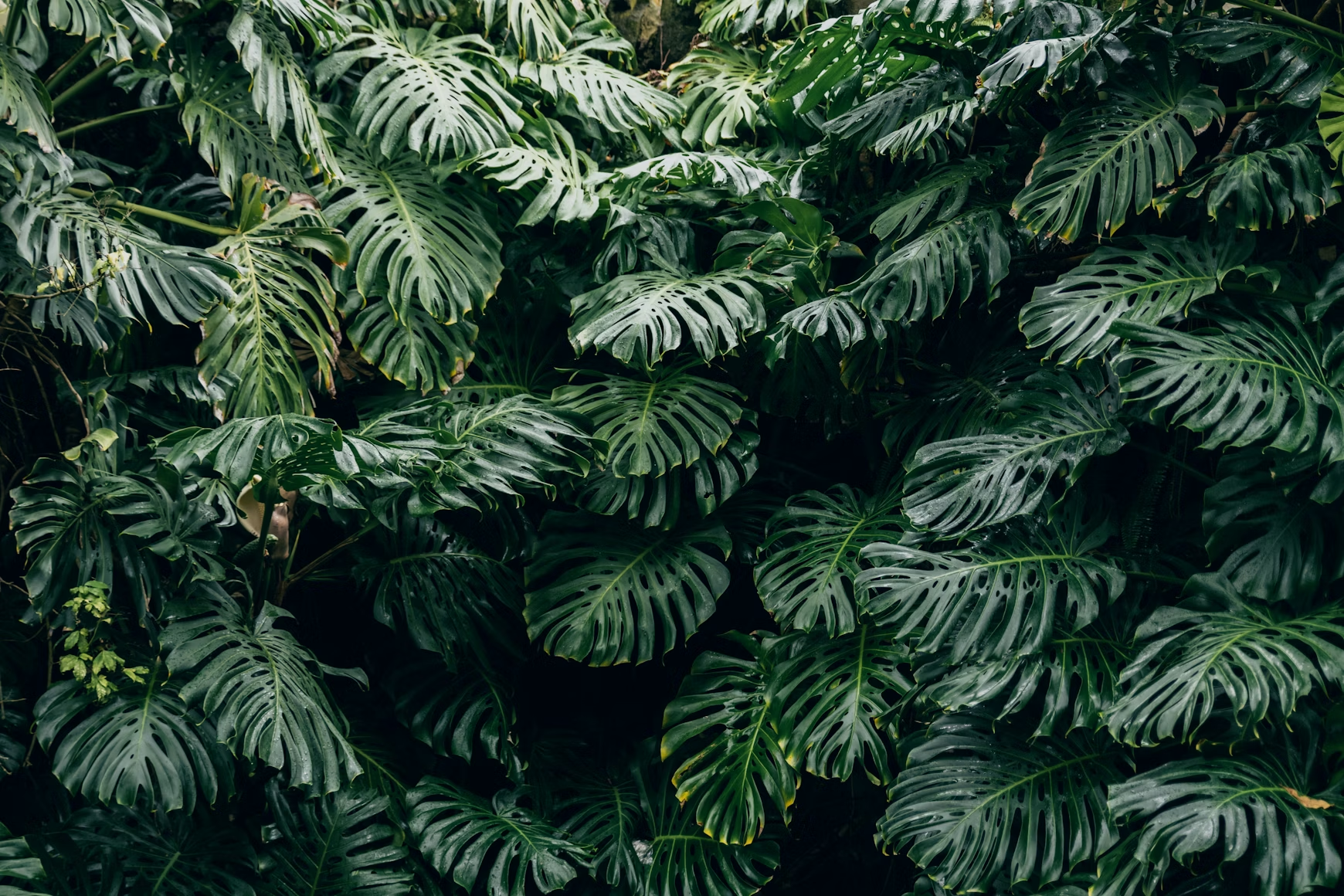
Monstera / Swiss Cheese Plant Monstera deliciosa
Monstera is a beloved houseplant, but like golden pothos, it belongs to the Araceae family — and it is packed with the same needle-shaped calcium oxalate crystals that cause severe oral pain.
https://mewguard.app/en/toxins/plants/monstera_deliciosa_or_monstera_adansonii/
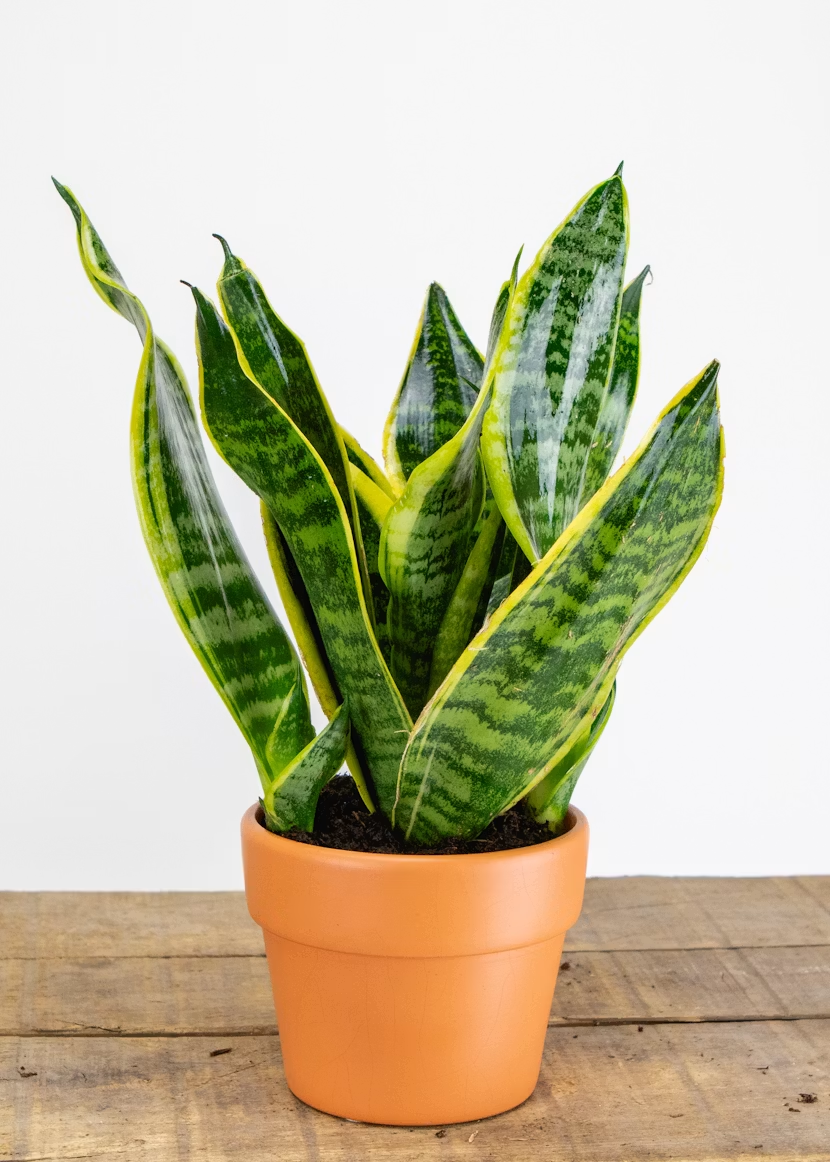
Snake Plant / Mother-in-Law’s Tongue Dracaena trifasciata
Despite the “orchid” character in its Chinese name (虎尾蘭, literally “tiger-tail orchid”), the snake plant is not an orchid. It is a Dracaena, and it contains saponins; excessive chewing can cause vomiting and diarrhea.
https://mewguard.app/en/toxins/plants/sansevieria_spp/
If you want to quickly check whether a specific plant is safe for cats, the MewGuard app catalogs 300+ common plants and foods — one search tells you whether what is on your shelf is safe for your cat.