
 ←
←
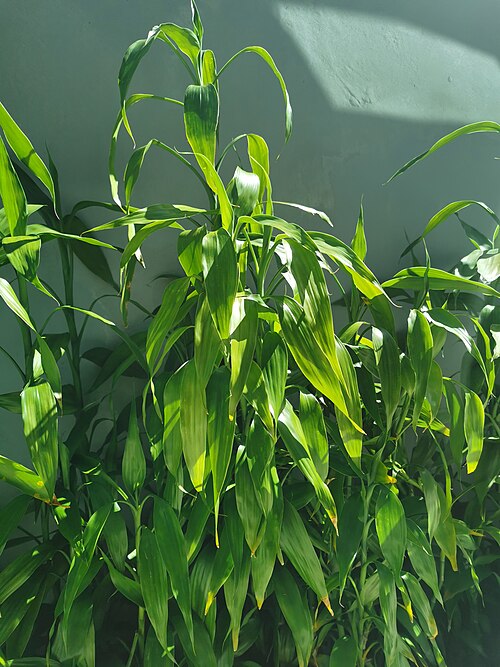
Lucky Bamboo
Dracaena sanderiana
Lucky Bamboo (Dracaena sanderiana) is a common decorative plant often grown in small water vases or soil. Despite its name, it is not a true bamboo but a type of Dracaena. It is unsafe for cats because the leaves and stems contain toxic compounds called steroidal saponins. When a cat chews the plant, these compounds heavily irritate the stomach and intestines. In cats, this plant can also cause strange nervous system reactions that make them feel weak and uncoordinated. Keep in mind that the water in the plant's vase can also contain these toxins, so cats should not drink from it. A cat that eats Lucky Bamboo may drool, vomit (sometimes with blood), have diarrhea, and lose their appetite. You might also notice that their pupils are unusually wide, and they may seem very sluggish or unsteady on their feet. Keep this plant and its water out of reach, and contact a veterinarian if your cat shows signs of illness or eats a large amount.
Important Notes
Toxic compounds: steroidal saponins (consistent with Dracaena genus)
Mechanism: saponins disrupt cell membrane integrity causing GI irritation; neurological effects noted in cats specifically
Symptoms: vomiting (sometimes blood-tinged), drooling, loss of appetite, weakness, dilated pupils (mydriasis)
Dilated pupils are a notable cat-specific sign of Dracaena/Lucky Bamboo toxicity
Water containing Lucky Bamboo may also carry some toxins — prevent cats from drinking from the vase
Potentially Toxic Parts
Leaf
Possible Symptoms Reported in Cats
Diarrhea
Gastrointestinal · Variable (typically occurs as the toxins move through the digestive tract).
Drooling
Gastrointestinal · Rapid / immediate upon chewing (specific time not provided in sources).
Vomiting (which can occasionally contain blood)
Gastrointestinal · Rapid.
Abdominal pain and inappetence (anorexia)
Gastrointestinal · Rapid to delayed.
Dilated pupils (mydriasis)
Neurological · Variable.
Depression (lethargy), generalized weakness, and incoordination (ataxia)
Neurological · Delayed (usually follows the initial GI distress).
Disclaimer: This summary was compiled from multiple sources and is for informational use only. It is not a diagnosis or treatment plan. Toxicity can vary based on the substance, amount, plant part, and individual cat. If you think your cat may have been exposed to a toxic substance, contact a veterinarian right away.