
 ←
←
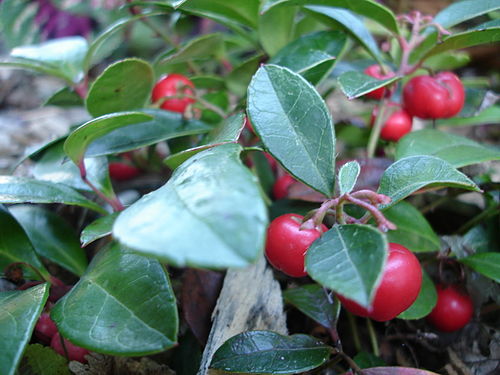
Wintergreen
Gaultheria procumbens
Wintergreen (Gaultheria procumbens) is a plant whose concentrated essential oil is extremely dangerous to cats. This oil can be found in products like muscle rubs, liniments, and some scented items. Cats must not ingest wintergreen oil or have it applied to their skin or fur. The toxic compound is methyl salicylate, which is chemically similar to aspirin. Cats lack the specific liver enzymes needed to process salicylates effectively. This means the toxin can quickly build up in their system to poisonous levels, even from what might seem like a small exposure. Absorption through the skin is a major risk, especially if a cat licks the oil off while grooming. Wintergreen poisoning is a medical emergency. Symptoms can include vomiting, severe weakness, difficulty breathing, tremors, seizures, and internal organ failure. If you suspect your cat has been exposed to any product containing wintergreen oil, do not wait for symptoms to appear. Please contact a veterinarian or an emergency animal hospital immediately.
Important Notes
Toxic compounds: methyl salicylate (the primary component of wintergreen oil, >96%); the plant also contains methyl salicylate at lower concentrations
Mechanism: cats lack glucuronyl transferase needed to metabolise salicylates; toxic accumulation causes GI haemorrhage, metabolic acidosis, and kidney failure
Symptoms: vomiting, rapid or laboured breathing, weakness, tremors, GI bleeding; severe cases cause seizures, liver and kidney failure
Topical application of wintergreen-containing products to cats is extremely dangerous — never use muscle rubs, liniments, or oral care products with wintergreen on cats
Any wintergreen oil exposure is a veterinary emergency
Potentially Toxic Parts
Stem
Leaf
Fruit
Possible Symptoms Reported in Cats
Liver failure, seizures, collapse, and death
Gastrointestinal · Not explicitly specified in the sources.
Shaking, tremoring, and walking as if they are drunk (ataxia)
Neurological · Not explicitly specified in the sources.
Lethargy, depression, or dullness
Neurological · Not explicitly specified in the sources.
Difficulty breathing or breathing with the mouth open
Respiratory · Not explicitly specified in the sources.
Sore or red skin, and chemical burns
Dermal · Not explicitly specified in the sources.
Excessive dribbling
Gastrointestinal · Not explicitly specified in the sources.
Vomiting
Gastrointestinal · Not explicitly specified in the sources.
Disclaimer: This summary was compiled from multiple sources and is for informational use only. It is not a diagnosis or treatment plan. Toxicity can vary based on the substance, amount, plant part, and individual cat. If you think your cat may have been exposed to a toxic substance, contact a veterinarian right away.