
 ←
←
Grapes / Raisins / Currants
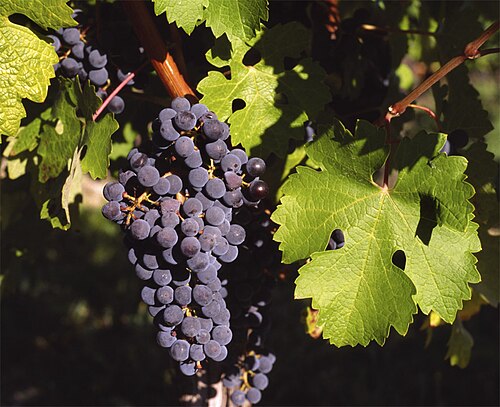
Vitis vinifera
Grapes, raisins, sultanas, and currants are highly dangerous for cats. There is no known safe amount. Even one grape or a few raisins may be enough to cause a serious problem in some cats. The exact toxin is still not fully confirmed, though tartaric acid is one leading suspect. The main danger is sudden kidney injury. Because cats react unpredictably, a small amount can be risky even if another cat once seemed fine after eating more. Early signs may include vomiting, diarrhea, low energy, not eating, belly pain, or increased thirst. Kidney problems can develop later. If your cat eats any grape, raisin, sultana, or currant, contact a veterinarian or pet poison helpline immediately instead of waiting for symptoms.
Important Notes
Toxic compounds: likely tartaric acid or related compound; exact mechanism still under investigation
Mechanism: direct nephrotoxicity — causes acute tubular injury leading to kidney failure within 24–72 hours
Symptoms Phase 1 (within 6h): vomiting, diarrhea, abdominal pain, lethargy; Phase 2 (24–72h): acute kidney failure with decreased urination, loss of appetite, weakness
Raisins and dried currants are more dangerous by weight due to concentration; currants (Zante) are similarly toxic
Any grape or raisin ingestion warrants immediate veterinary attention — do not wait for symptoms
Potentially Toxic Parts
Root
Stem
Leaf
Fruit
Possible Symptoms Reported in Cats
Oliguria (Decreased Urine) or Anuria (No Urine Production)
Renal · 12–72 hours (As the condition worsens).
Vomiting
Gastrointestinal · Within 12 hours of ingestion.
Lethargy, Weakness, or Depression
Neurological · 12–24 hours.
Increased Thirst (Polydipsia) and Increased Urination (Polyuria)
Renal · Initial 24 hours.
Poor Appetite or Refusal to Eat
Gastrointestinal · 12–24 hours.
Diarrhea
Gastrointestinal · 12–24 hours (Often follows the initial vomiting).
Disclaimer: This summary was compiled from multiple sources and is for informational use only. It is not a diagnosis or treatment plan. Toxicity can vary based on the substance, amount, plant part, and individual cat. If you think your cat may have been exposed to a toxic substance, contact a veterinarian right away.