
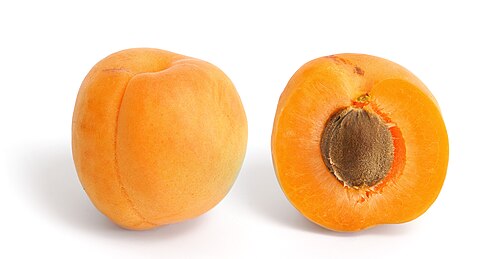
 ←
←
Apricot (seeds)
Prunus spp.
The fleshy part of an apricot is entirely safe for cats and does not contain toxic compounds. The danger lies in the pit (stone): when a cat chews or crushes it, enzymes break down amygdalin — a cyanogenic glycoside — releasing highly toxic hydrogen cyanide (HCN). Cyanide binds to cytochrome c oxidase, a critical enzyme in the mitochondrial electron transport chain, halting cellular respiration at the level of every cell. Because the heart and brain have the highest energy demands, they are the first organs to fail. Swallowed whole, the pit also presents a severe choking and intestinal obstruction hazard.
Important Notes
Symptoms: Vomiting, rapid or laboured breathing, low blood pressure and shock, lethargy, muscle weakness, seizures, coma, and potentially fatal cardiac and respiratory failure — symptoms can appear rapidly.
Safe part: Fruit flesh only — remove the pit, stem, and leaves entirely before offering a small piece as a treat.
Physical hazard: Swallowing a whole pit can cause throat or intestinal obstruction requiring surgery.
Potentially Toxic Parts
Stem
Leaf
Seed
Possible Symptoms Reported in Cats
Shock / Collapse / Weakness
Cardiac · Rapid (10–60 minutes).
Seizures (Convulsions) and Muscle Tremors
Neurological · Rapid.
Respiratory Distress (Difficulty Breathing, Panting, Tachypnea, Hyperventilation)
Respiratory · Rapid; typically within 10–60 minutes to a few hours after ingestion.
Bright Red Gums/Mucous Membranes
Hematological · Rapid (minutes to hours).
Dilated Pupils (Mydriasis)
Neurological · Rapid (minutes to hours).
Vomiting, Salivation (Excessive Drooling), and Diarrhea
Gastrointestinal · Minutes to hours.
Disclaimer: This summary was compiled from multiple sources and is for informational use only. It is not a diagnosis or treatment plan. Toxicity can vary based on the substance, amount, plant part, and individual cat. If you think your cat may have been exposed to a toxic substance, contact a veterinarian right away.