Mexican Mint
Indian borage
Yes. Keep it out of reach.
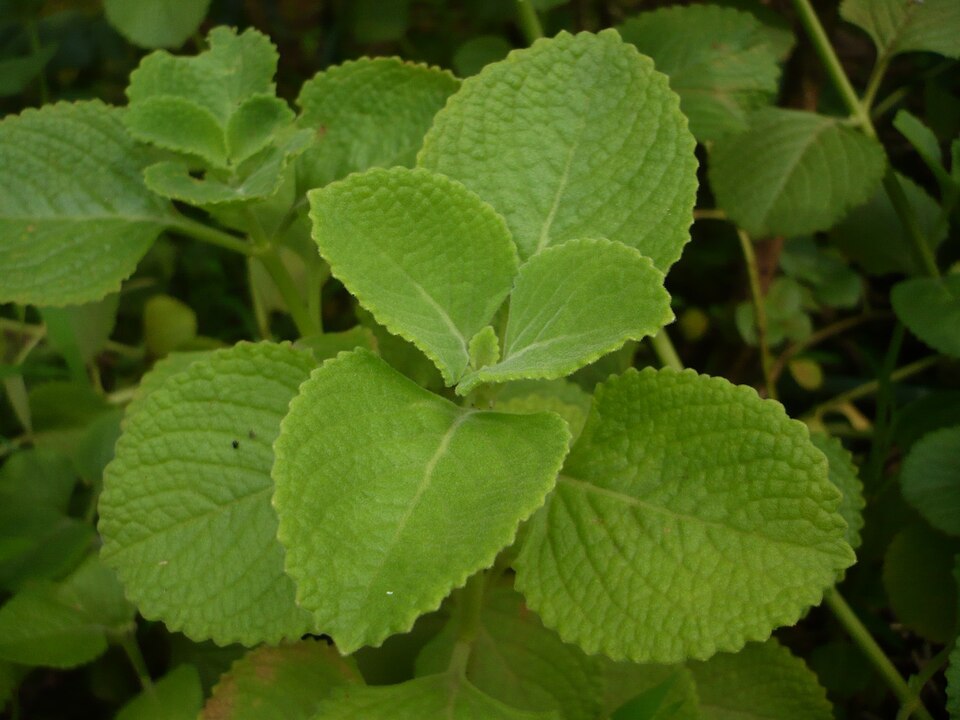
Mexican Mint (Plectranthus amboinicus), also known as Indian borage or Cuban oregano, is an aromatic herb with thick, fuzzy leaves.
Symptoms reported in cats
Most serious first.
- 1 Lethargy or weakness While a small nibble usually results in mild discomfort, ingesting larger quantities of the plant can cause systemic weakness and lethargy.
- 2 Difficulty breathing While fresh Mexican Mint leaves generally cause mild gastrointestinal signs, if a cat is exposed to or inhales highly concentrated forms of the plant (such as extracted mint essential oils), it can trigger severe respiratory distress, neurological symptoms, and even liver failure.
- 3 Vomiting Because Mexican Mint acts directly as a gastro-irritant, vomiting is one of the primary and most common signs of stomach upset after a cat nibbles on the plant.
- 4 Diarrhea This symptom is a direct result of the plant's essential oils irritating the feline digestive tract as the body attempts to process compounds it cannot properly break down.
- 5 Loss of appetite The gastrointestinal irritation, discomfort, and nausea caused by the plant will frequently lead the cat to refuse food.
- 6 Drooling (excessive salivation) or foaming at the mouth This is a localized reaction to the strong taste and irritating nature of the essential oils present in the mint plant.
Important notes
Mexican Mint (Plectranthus amboinicus), also known as Indian borage or Cuban oregano, is an aromatic herb with thick, fuzzy leaves. It is mildly toxic to cats because it contains strong essential oils. Cats do not have the right liver enzymes to break down these oils. When a cat eats the plant, compounds like carvacrol and thymol directly irritate their stomach and digestive tract. A cat that nibbles on Mexican mint may drool, vomit, have diarrhea, or lose its appetite. The strong smell usually keeps cats away, but if your cat eats a large amount or if the symptoms do not go away, contact a veterinarian.
- Toxic compounds: carvacrol, thymol, and camphor-related volatile oils throughout the plant
- Mechanism: these terpenoid oils irritate the gastrointestinal mucosa directly and may cause mild liver stress with repeated exposure
- Symptoms: vomiting, diarrhea, drooling, lethargy; symptoms are generally mild and self-limiting
- The strong aroma may deter most cats, but some find the scent attractive
- Contact your vet if symptoms persist or if large amounts were consumed
This summary was compiled from multiple sources and is for informational use only. It is not a diagnosis or treatment plan. Toxicity varies with the substance, amount, plant part and the individual cat. If you think your cat may have been exposed to a toxic substance, contact a veterinarian right away.