
 ←
←
Bell Pepper / Chili Pepper / Ornamental Pepper
Capsicum annuum
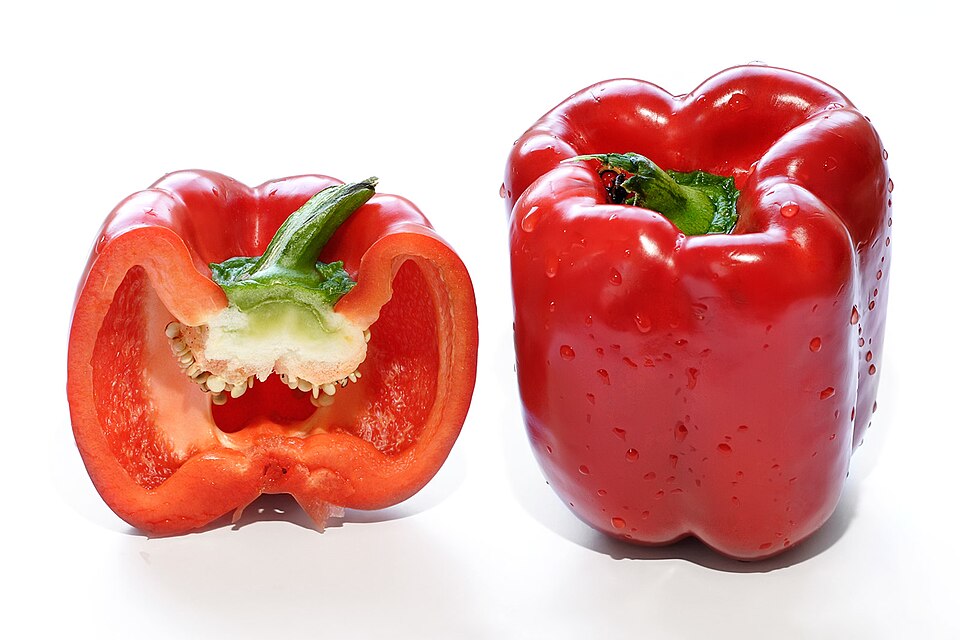
Bell peppers, chili peppers, and ornamental peppers all belong to the Capsicum annuum species of the nightshade family (Solanaceae). For cats, edible peppers are a mild gastrointestinal irritant rather than a serious systemic toxin — ingestion is not likely to be life-threatening. Ripe bell pepper flesh is essentially non-toxic and considered "rather harmless," though it is still not recommended as a regular food. Spicy chili and ornamental peppers contain capsaicin, the compound that makes them hot; it is a potent irritant to the mucous membranes, eyes, skin, and gastrointestinal tract, causing drooling, vomiting, and diarrhea on contact or ingestion. The plant's foliage (leaves and stems) contains low levels of solanine-type glycoalkaloids, which add to the stomach upset if chewed. Note: this entry covers true edible Capsicum annuum and should not be confused with Solanum pseudocapsicum (Jerusalem cherry), a distinct, genuinely toxic nightshade sometimes sold as "ornamental pepper."
Important Notes
Capsaicin (chili peppers): Causes immediate drooling, coughing, gastroenteritis, tearing, and eye irritation on contact with mucous membranes.
Solanine (foliage — leaves and stems): Low levels of glycoalkaloids in the green parts can add to stomach upset (vomiting, diarrhea) if chewed. Edible pepper fruit is not a significant source and is not expected to cause tremors, heart-rhythm changes, or other systemic poisoning in cats.
Safest approach: Keep all pepper plants out of reach. If offering ripe bell pepper flesh as a very occasional treat, remove all seeds and offer only a tiny amount.
Potentially Toxic Parts
Stem
Leaf
Fruit
Possible Symptoms Reported in Cats
Vomiting, Diarrhea, and Hypersalivation (Drooling)
Gastrointestinal · 2–24 hours.
Abdominal Pain (Colic)
Gastrointestinal · 2–24 hours.
Burning sensation, Coughing, Watery Eyes
Dermal · Immediate (upon contact or ingestion).
Disclaimer: This summary was compiled from multiple sources and is for informational use only. It is not a diagnosis or treatment plan. Toxicity can vary based on the substance, amount, plant part, and individual cat. If you think your cat may have been exposed to a toxic substance, contact a veterinarian right away.