
 ←
←
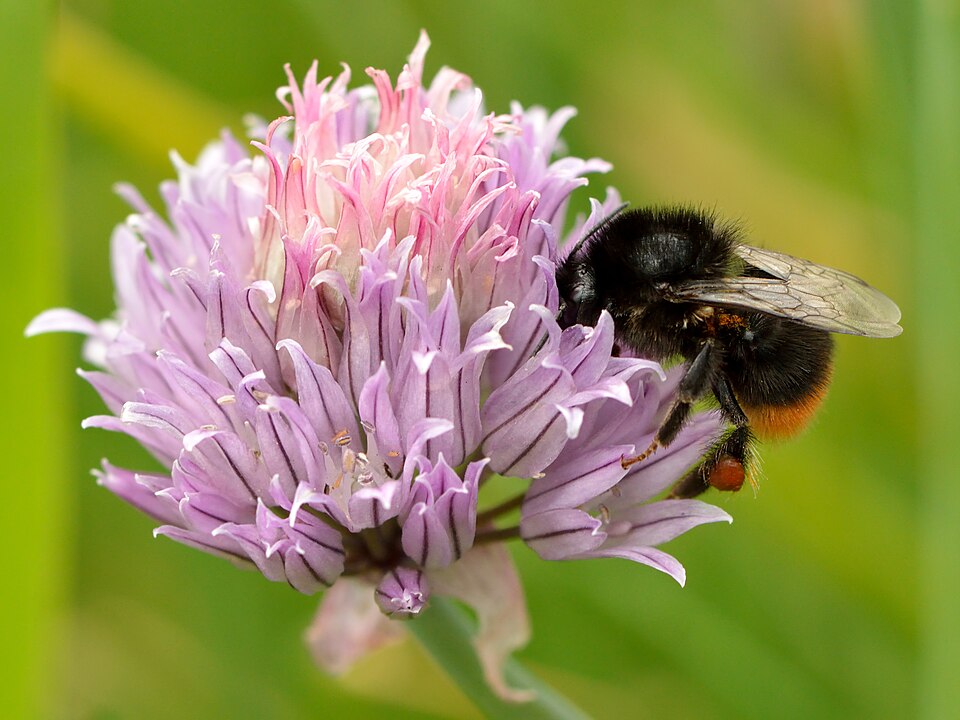
Chives
Allium schoenoprasum
Chives (Allium schoenoprasum) belong to the Allium family alongside onions, garlic, and leeks — all of which are toxic to cats. The primary toxic agents are organosulfur compounds (alk(en)yl cysteine sulfoxides) that convert when chewed into potent oxidants including N-propyl disulfide and sodium n-propylthiosulfate. These compounds attack red blood cells at the molecular level: they deplete glutathione, oxidise and denature haemoglobin, and cause it to clump into structures called Heinz bodies. This renders red blood cells rigid and fragile, leading to their rupture (haemolysis) and severe anaemia. Cats are 2–3 times more vulnerable than dogs because feline haemoglobin has significantly more reactive sulfhydryl groups. A critical danger: symptoms are often delayed by 3 to 5 days, so a cat may appear fine initially even after significant ingestion.
Important Notes
Symptoms (early, within 24 hrs): Drooling, vomiting, diarrhea, loss of appetite, and abdominal pain.
Symptoms (3–5 days later): Lethargy, profound weakness, pale or yellow mucous membranes, rapid breathing, rapid heart rate, and dark reddish-brown urine (hemoglobinuria).
All forms are dangerous: Fresh, dried, and powdered chives are all toxic — powdered or dehydrated forms are especially concentrated.
Action: Seek veterinary care immediately after any confirmed ingestion, even if the cat seems well — do not wait for anaemia symptoms to develop.
Potentially Toxic Parts
Stem
Leaf
All parts of the plant
Bulb
Possible Symptoms Reported in Cats
Lethargy, weakness, stumbling, and collapse
Hematological · Delayed (Symptoms typically appear several days following ingestion).
Pale, white, or yellow (jaundiced) gums
Hematological · Delayed (Several days).
Dark, reddish, or brown urine
Renal · Delayed (Several days).
Tachypnea (rapid breathing), panting, or dyspnea (difficulty breathing)
Respiratory · Delayed (Several days).
Tachycardia (rapid heartbeat)
Cardiac · Delayed (Several days).
Vomiting, diarrhea, abdominal pain, and loss of appetite (anorexia)
Gastrointestinal · Can occur early, but general signs of poisoning may not appear for several days after ingestion.
Disclaimer: This summary was compiled from multiple sources and is for informational use only. It is not a diagnosis or treatment plan. Toxicity can vary based on the substance, amount, plant part, and individual cat. If you think your cat may have been exposed to a toxic substance, contact a veterinarian right away.