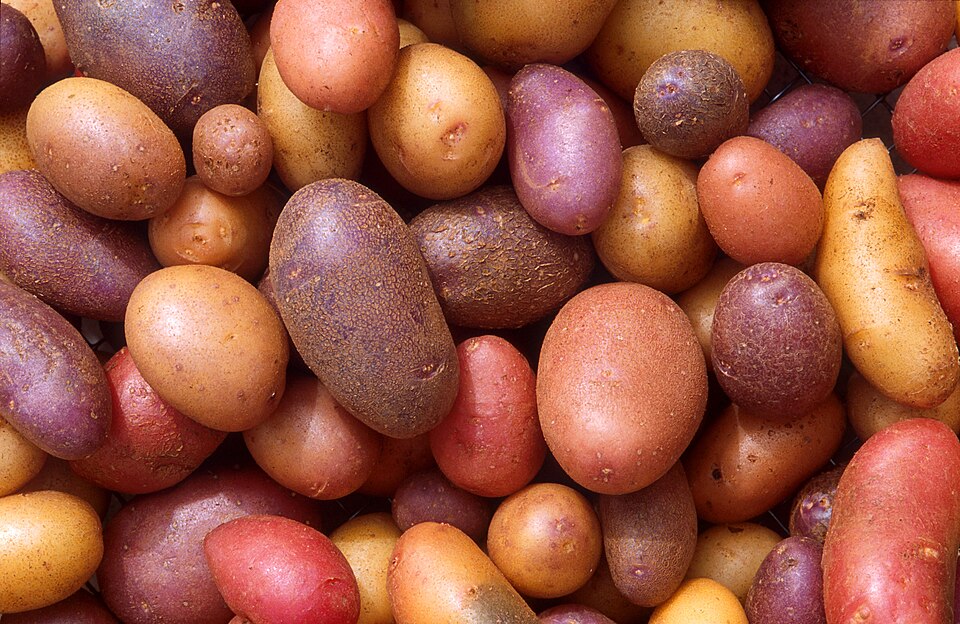
Unripe or sprouted potatoes
Unripe or sprouted potatoes
Yes. Keep it out of reach.
While a small amount of plain, cooked potato is generally safe for cats, raw, unripe, or sprouted potatoes are toxic.
Symptoms reported in cats
Most serious first.
- 1 Neurological Deficits and Paralysis Usually develops within 2 to 24 hours, · Solanine acts as a neurotoxin by inhibiting the enzyme acetylcholinesterase, which leads to massive acetylcholine accumulation and severe overstimulation of the parasympathetic nervous system.
- 2 Cardiovascular Disturbances 2 to 24 hours · The severe parasympathetic overstimulation caused by the accumulation of acetylcholine forces the heart rate to slow dangerously9. In critical cases, this progresses to complete circulatory failure, which can be fatal.
- 3 Severe Gastrointestinal Upset Usually within 2 to 24 hours of ingestion, · This is typically the first clinical sign of nightshade poisoning6. Solanine is a potent cytotoxin that interacts with the phospholipids in cell membranes, causing direct cell destruction and violent irritation and inflammation of the intestinal epithelial cells.
- 4 Hemolysis and Acute Kidney Injury Progressive; typically occurs in the later stages of a severe poisoning episode · In highly severe cases, solanine toxicity causes the cat's red blood cells to be destroyed (hemolysis)68. The release of free hemoglobin into the bloodstream from the ruptured cells is highly nephrotoxic (toxic to the kidneys) and can secondarily damage the kidneys, leading to acute renal failure.
- 5 Unripe or sprouted potatoes
Important notes
While a small amount of plain, cooked potato is generally safe for cats, raw, unripe, or sprouted potatoes are toxic. The dangerous parts are the sprouts (also called “eyes”), the skin, the stems, and any part of the potato flesh that has turned green. These contain a toxic compound called solanine. Solanine is a natural poison that the potato plant uses to defend itself. For a cat, ingesting it can cause significant gastrointestinal upset, including vomiting, diarrhea, and abdominal pain. In more serious cases, if a large amount is eaten, it can lead to nervous system problems like lethargy, weakness, confusion, and a slowed heart rate. To keep your cat safe, store all raw potatoes where your cat cannot reach them. Do not let them chew on potato peels, green parts, or sprouts. Any potato offered to a cat should be ripe, cooked thoroughly, and served plain with the skin removed. If you think your cat has eaten any raw or green part of a potato, please contact your veterinarian.
- Toxic compounds: solanine and chaconine (steroidal glycoalkaloids); highest in sprouts, eyes, and green-tinged skin
- Mechanism: glycoalkaloids inhibit acetylcholinesterase (disrupting nerve signalling) and disrupt cell membranes in the GI tract
- Symptoms: vomiting, diarrhea, drooling, weakness, lethargy; large doses may cause tremors, heart rate changes, or CNS depression
- Even low solanine levels can cause symptoms in cats — do not feed any green potato parts
- Contact your vet if your cat ingests sprouted potato or significant amounts of green potato skin
This summary was compiled from multiple sources and is for informational use only. It is not a diagnosis or treatment plan. Toxicity varies with the substance, amount, plant part and the individual cat. If you think your cat may have been exposed to a toxic substance, contact a veterinarian right away.