
 ←
←
Onions
Onions
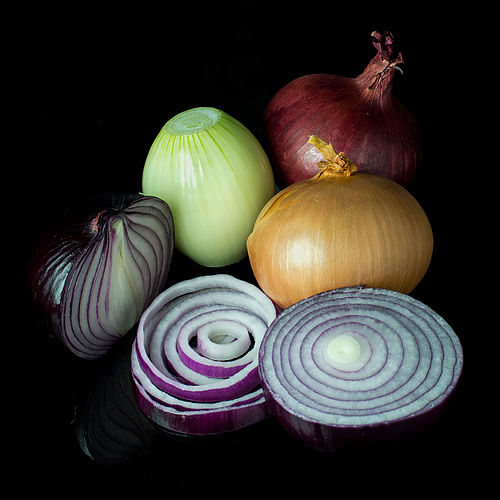
Onions (Allium cepa) are severely toxic and extremely dangerous for cats. Like other plants in the Allium family, such as garlic and leeks, onions contain complex sulfur compounds that directly attack a cat's red blood cells. When a cat eats any part of an onion, these compounds cause oxidative stress in the blood, leading the red blood cells to break apart and die. This condition, known as hemolytic anemia, makes it very difficult for the cat's body to carry oxygen. Symptoms like weakness, pale gums, fast breathing, and reddish-brown urine might not show up immediately, often appearing three to five days after the onion was eaten. All forms of onions are equally deadly: raw, cooked, dehydrated, or powdered. The toxic compounds are not destroyed by heat, and onion powder is especially dangerous because it is highly concentrated. Onion powder is frequently hidden in baby food, broths, gravies, and prepared meals. Never share onion-containing foods with your cat. If you suspect your cat has eaten any amount of onion, contact a veterinarian immediately.
Important Notes
Toxic compounds: N-propyl disulfide and organosulfur compounds (alk(en)yl cysteine sulfoxides); all forms toxic
Mechanism: oxidative damage to haemoglobin creates Heinz bodies; the spleen destroys affected red blood cells, causing haemolytic anaemia
Symptoms: lethargy, weakness, pale or yellowish gums, rapid breathing, loss of appetite, reddish-brown urine; onset often delayed 3–5 days
Onion powder in baby food, broths, gravies, or prepared meals is a common hidden source of toxicity
Never share any onion-containing food with cats; contact your vet immediately if ingestion is suspected
Potentially Toxic Parts
Powder
Raw form
Cooked form
Possible Symptoms Reported in Cats
Tachypnea, Dyspnea, and Cyanosis
Respiratory · Several days after ingestion
Collapse and Death
Cardiac · Within 24 hours (with massive doses) or several days after ingestion
Lethargy, Weakness, and Depression
Neurological · After a lag of several days (typically 3–5 days)
Pale or Icteric Mucous Membranes (Jaundice)
Gastrointestinal · After a lag of several days (typically 3–5 days)
Tachycardia and Heart Murmur
Cardiac · Several days after ingestion
Hemoglobinuria (Dark Urine)
Gastrointestinal · Several days after ingestion (typically 3–5 days)
Hypothermia and Cold Sensitivity
Neurological · Several days after ingestion
Vomiting, Diarrhea, Abdominal Pain, and Loss of Appetite
Gastrointestinal · Within 1 day (or delayed up to 2–4 days)
Disclaimer: This summary was compiled from multiple sources and is for informational use only. It is not a diagnosis or treatment plan. Toxicity can vary based on the substance, amount, plant part, and individual cat. If you think your cat may have been exposed to a toxic substance, contact a veterinarian right away.