
 ←
←
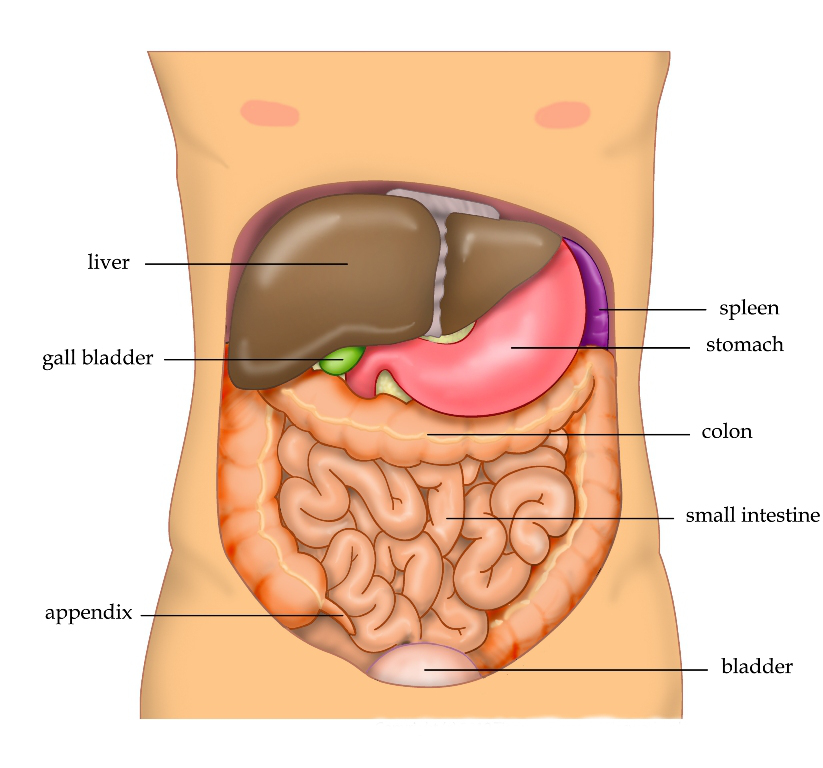
Liver
Liver
Liver from chicken, beef, or pork can be a healthy treat for cats in very small amounts. However, feeding your cat too much liver over a long period can be dangerous. This is because liver is packed with Vitamin A, which is a "fat-soluble" vitamin that stays in the body rather than being washed away. If a cat eats large amounts of liver for weeks or months, the Vitamin A builds up to toxic levels. This condition, called hypervitaminosis A, causes painful bone growth, especially around the neck and spine. It can lead to stiff joints, skin problems, and difficulty moving. As a general rule, liver should make up no more than 5% of a cat's total diet and only be given occasionally. It is also safer to lightly cook the liver to kill harmful bacteria like Salmonella, and you must never use seasonings like salt, onions, or garlic, which are also toxic to cats.
Important Notes
Safe amount: up to 5% of total diet occasionally; more than this risks vitamin A toxicity over time
Excess risk: hypervitaminosis A — causes painful bone deformations (especially neck and spine), joint stiffness, neurological issues
Raw liver risk: may carry Salmonella, Listeria, or other pathogens; lightly cooking reduces bacterial risk
Avoid seasoned or marinated liver — garlic, onion, and salt used in cooking are toxic to cats
Liver as an occasional treat is fine; never make it a daily food source
Potentially Toxic Parts
Whole
Possible Symptoms Reported in Cats
Abnormal Bone Development and Joint Pain
Gastrointestinal · Progressive (develops over several weeks to months of a liver-heavy diet)
Fetal Deformities (in pregnant cats)
Endocrine · Progressive (during gestation)
Gastrointestinal Upset
Gastrointestinal · Progressive (weeks to months),
Behavioral and Systemic Changes
Neurological · Progressive (weeks to months)
While liver is not inherently toxic in small amounts
Metabolic
Dermatological Abnormalities
Dermal · Progressive (weeks to months)
Disclaimer: This summary was compiled from multiple sources and is for informational use only. It is not a diagnosis or treatment plan. Toxicity can vary based on the substance, amount, plant part, and individual cat. If you think your cat may have been exposed to a toxic substance, contact a veterinarian right away.