
 ←
←
Leeks
Leeks
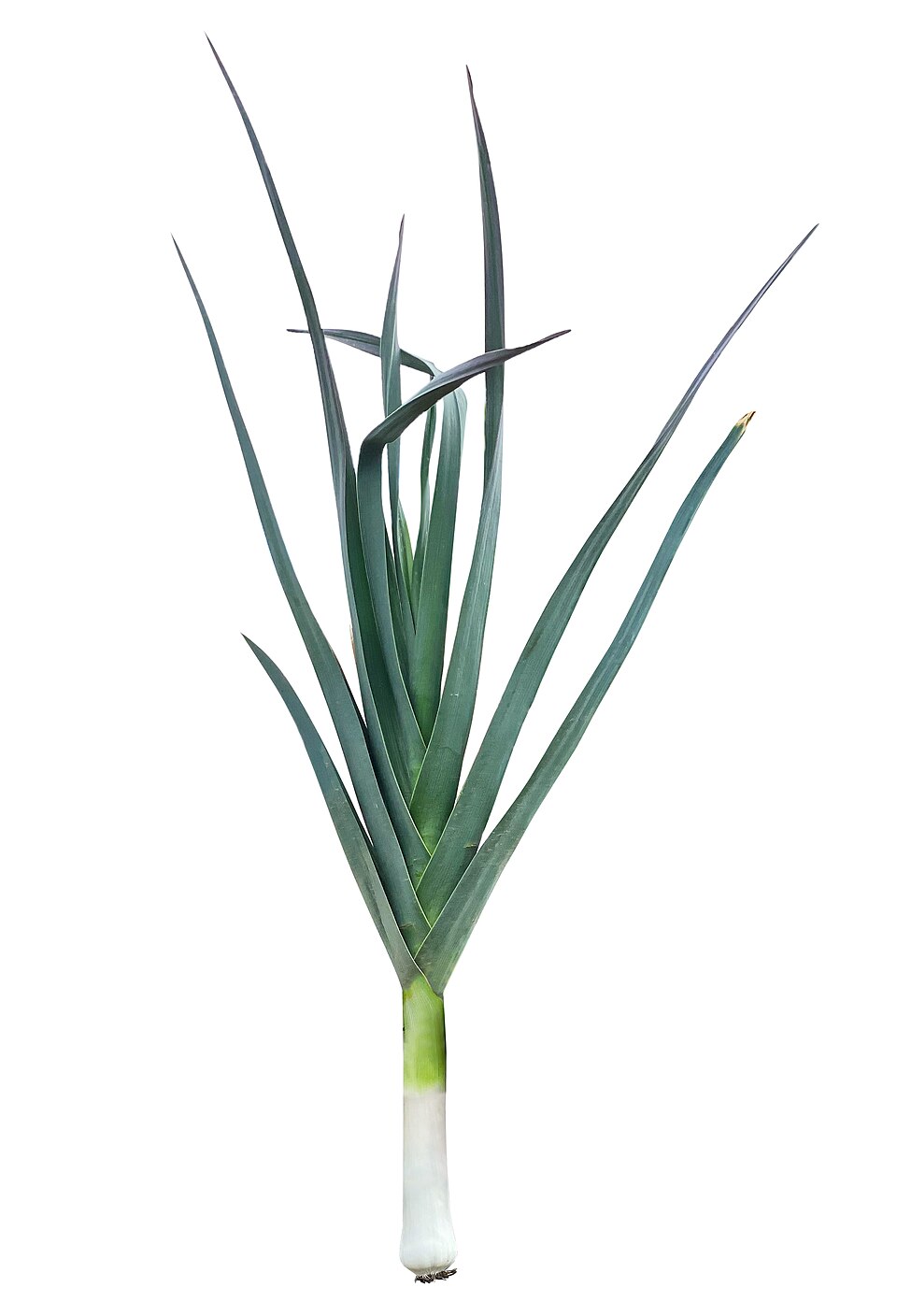
Leeks (Allium ampeloprasum) belong to the same vegetable family as onions, garlic, and chives. All of these are very toxic to cats, whether they are raw, cooked, or dried. This means you should never share soups, stews, or any human foods containing leeks with your cat. The danger comes from natural compounds that cause "oxidative damage" to a cat’s red blood cells. Essentially, these chemicals cause the hemoglobin (the part of the blood that carries oxygen) to clump up and break down. The cat's body then destroys these damaged cells faster than it can make new ones, leading to a serious condition called anemia. Symptoms often don't show up right away and may take 3 to 5 days to appear. Look for signs like extreme tiredness, pale or yellowish gums, fast breathing, and reddish-brown urine. If you suspect your cat has eaten leeks, please immediately contact a veterinarian or emergency animal hospital.
Important Notes
Toxic compounds: N-propyl disulfide and organosulfur compounds (alk(en)yl cysteine sulfoxides); all parts toxic including the bulb, stems, and leaves
Mechanism: oxidative damage to haemoglobin creates Heinz bodies; the spleen destroys affected red blood cells faster than they can be replaced, causing haemolytic anaemia
Symptoms: lethargy, weakness, pale or yellowish gums, rapid breathing, loss of appetite, reddish-brown urine; onset often delayed 3–5 days after ingestion
Leeks in soups, stews, or stir-fries remain toxic after cooking
Never share leek-containing foods with cats; contact your vet immediately if ingestion is suspected
Potentially Toxic Parts
Powder
Juice
Entire Plant
Possible Symptoms Reported in Cats
Tachypnea and Dyspnea (Breathing Difficulties)
Respiratory · After a lag of several days.
Lethargy, Weakness, and Depression
Neurological · After a lag of several days.
Pale Mucous Membranes and Jaundice (Icterus)
Gastrointestinal · After a lag of several days.
Tachycardia (Rapid Heart Rate)
Cardiac · After a lag of several days.
Hemoglobinuria (Dark Urine)
Gastrointestinal · After a lag of several days.
Cold Sensitivity
Neurological · Several days after ingestion.
Because leeks belong to the Allium genus, their toxicosis presents with the exact same clinical signs as onions, garlic
Metabolic
Vomiting, Diarrhea, Abdominal Pain, and Loss of Appetite
Gastrointestinal · Usually within 1 day (24 hours) of ingestion.
Allium Breath Odor
Gastrointestinal · Shortly after ingestion.
Disclaimer: This summary was compiled from multiple sources and is for informational use only. It is not a diagnosis or treatment plan. Toxicity can vary based on the substance, amount, plant part, and individual cat. If you think your cat may have been exposed to a toxic substance, contact a veterinarian right away.