
 ←
←
Caffeinated drinks / Soda
Caffeinated drinks / Soda
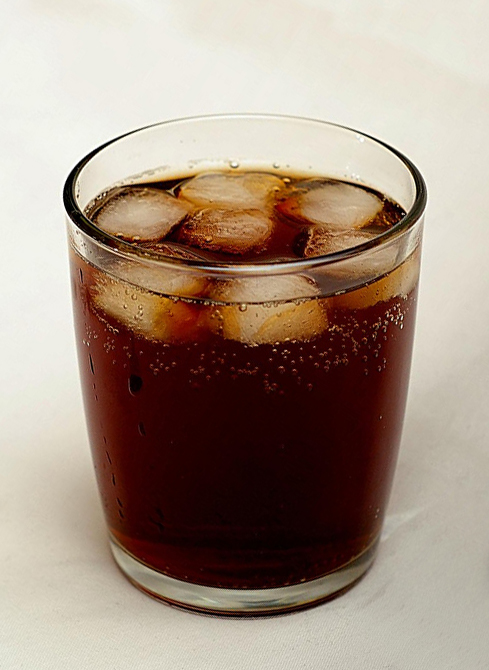
Caffeinated beverages — including sodas, energy drinks, tea, and coffee-based drinks — are toxic to cats because of their methylxanthine content (primarily caffeine, and in some cases theobromine). Cats metabolise these compounds far more slowly than humans, allowing dangerous levels to accumulate rapidly. Even a small amount can cause significant harm: just a few sips of energy drink can overwhelm a cat's system. Sugar-free sodas and energy drinks carry an additional risk if they contain xylitol.
Important Notes
Symptoms: Vomiting, diarrhea, and excessive thirst and urination initially; progressing to extreme agitation, rapid heart rate, rapid breathing, muscle tremors, hyperthermia, cardiac arrhythmias, and seizures.
Energy drinks are especially dangerous: They contain caffeine in concentrations far higher than soda or tea, and sometimes also taurine and other stimulants that compound the effect.
Action: Keep all caffeinated beverages out of reach. Seek veterinary care immediately if a cat has ingested any caffeinated drink.
Potentially Toxic Parts
Whole
Possible Symptoms Reported in Cats
Severe Neurological Overstimulation
Neurological · 2 to 12 hours (progresses as the caffeine is fully absorbed)
Cardiovascular Dysfunction
Cardiac · 2 to 12 hours
Respiratory Distress
Respiratory · Mid to terminal phases (progressing from 2 to 12 hours)
Hyperthermia
Neurological · 6 to 12 hours
Gastrointestinal Upset (Vomiting and Diarrhea)
Gastrointestinal · 2 to 4 hours (can be delayed up to 6–12 hours)
Increased Thirst and Urination
Renal · 2 to 4 hours
Disclaimer: This summary was compiled from multiple sources and is for informational use only. It is not a diagnosis or treatment plan. Toxicity can vary based on the substance, amount, plant part, and individual cat. If you think your cat may have been exposed to a toxic substance, contact a veterinarian right away.