
 ←
←
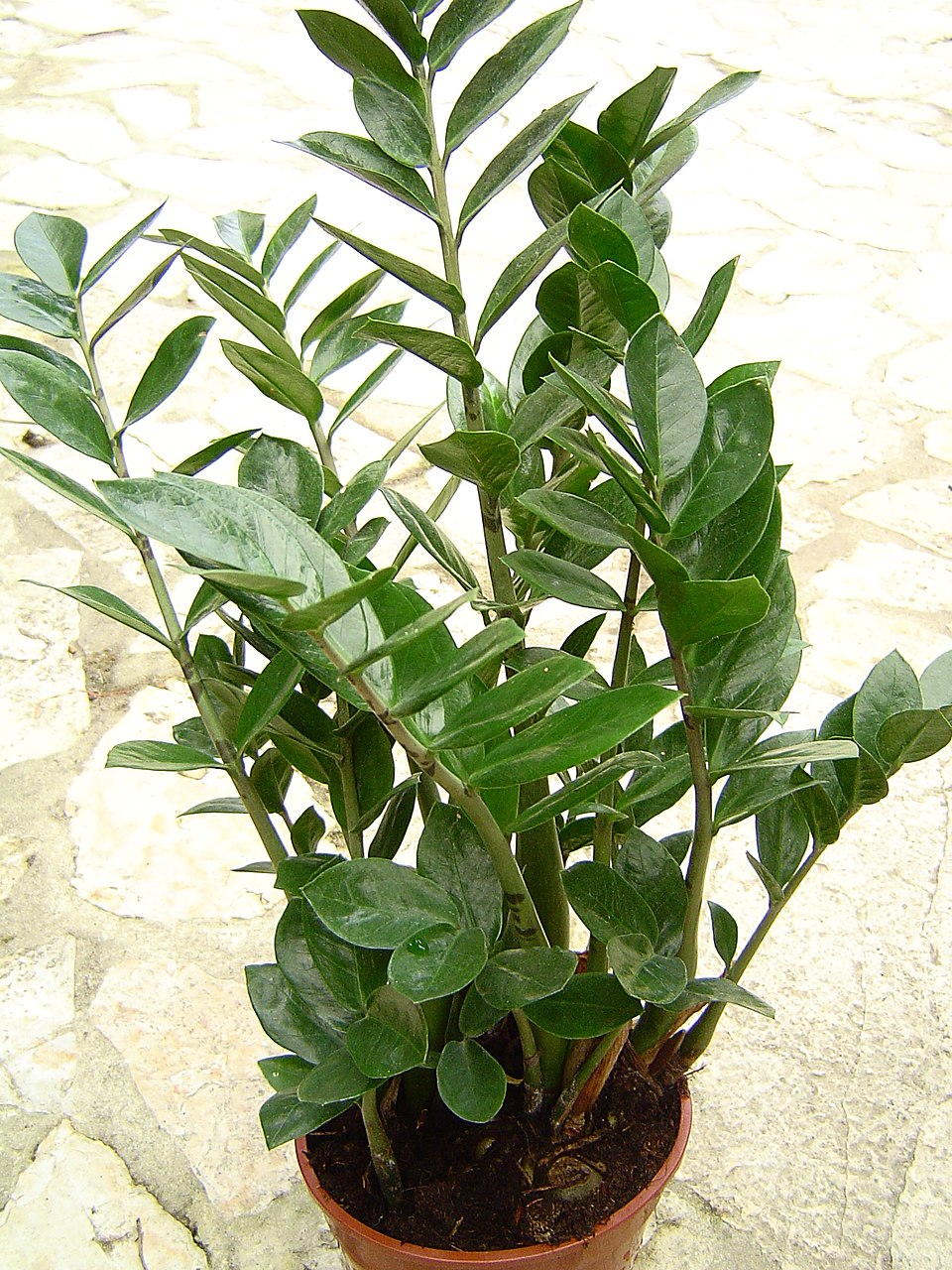
ZZ Plant
Zamioculcas zamiifolia
The ZZ Plant is a tough, popular houseplant known for its glossy leaves. It contains microscopic, needle-shaped crystals called insoluble calcium oxalates. These crystals are a physical irritant, not a chemical poison. They are found throughout the entire plant. When a cat bites or chews on a ZZ Plant, these sharp crystals are released and poke the sensitive tissues of the mouth, tongue, and throat. This causes immediate discomfort and pain. The initial pain usually stops the cat from eating a large amount, so severe poisoning is rare. Symptoms are typically mild and limited to the mouth area. Look for signs like drooling, pawing at the mouth, or a reluctance to eat. In some cases, vomiting may occur. While not life-threatening, it is uncomfortable, so it's best to keep the plant out of reach. If symptoms seem severe or don't improve, contact your veterinarian.
Important Notes
Toxic compounds: insoluble calcium oxalate raphides; the waxy leaf surface provides some physical barrier but does not eliminate the toxin
Mechanism: crystals cause mechanical irritation to the oral and GI mucosa; proteolytic enzymes in sap may amplify the reaction
Symptoms: drooling, vomiting, diarrhea; oral pain is often less pronounced than with Dieffenbachia due to the thicker leaf surface
The plant’s durability and popularity mean it is very commonly found in homes and offices
Monitor for GI symptoms if ingestion occurs; contact your vet if vomiting is persistent
Potentially Toxic Parts
Entire Plant
Possible Symptoms Reported in Cats
Mouth irritation (intense pain and burning sensation in the mouth)
Gastrointestinal · Immediate (upon chewing).
Excessive drooling (hypersalivation)
Gastrointestinal · Immediate.
Reluctance to eat (anorexia)
Gastrointestinal · Immediate to shortly after exposure.
Vomiting
Gastrointestinal · Shortly after ingestion.
Disclaimer: This summary was compiled from multiple sources and is for informational use only. It is not a diagnosis or treatment plan. Toxicity can vary based on the substance, amount, plant part, and individual cat. If you think your cat may have been exposed to a toxic substance, contact a veterinarian right away.