
 ←
←
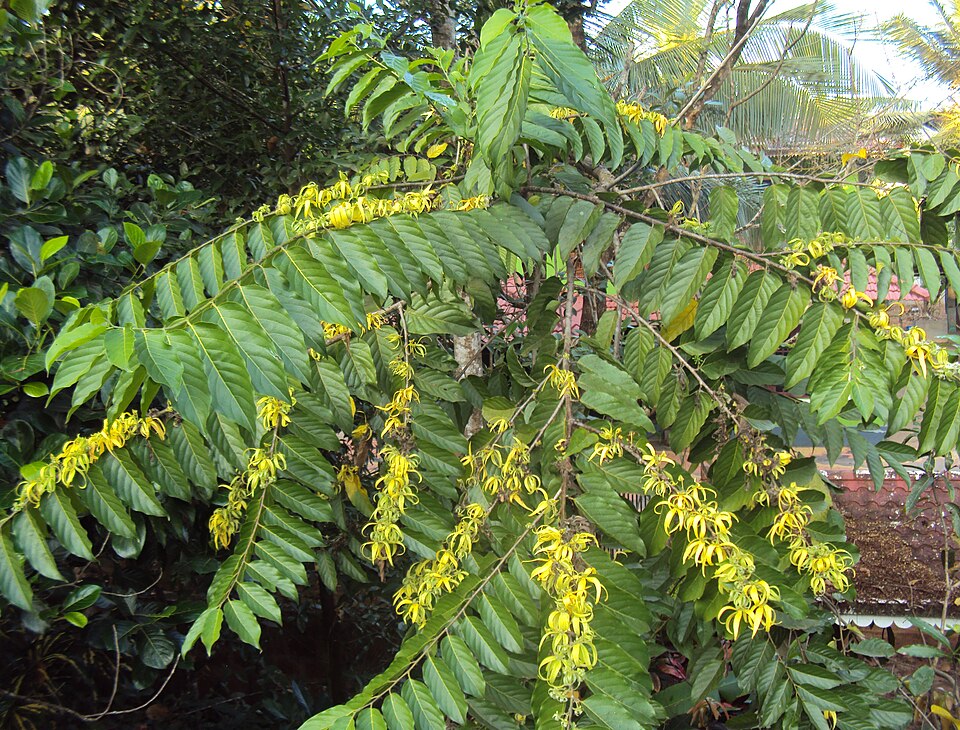
Ylang Ylang
Cananga odorata
Ylang Ylang (Cananga odorata) is a plant used to make a popular essential oil. This essential oil is highly toxic to cats and should never be used on or around them. Cats cannot properly break down compounds in the oil, such as linalool and benzyl acetate, because their livers lack a specific enzyme. Exposure can happen through inhalation from a diffuser, skin contact, or a cat licking the oil. The toxic compounds build up in the cat's body, leading to nervous system problems like stumbling and seizures, as well as severe liver damage. Because the oil is so concentrated, even a small amount can be dangerous. Symptoms of poisoning include drooling, vomiting, appearing drunk or unsteady, tremors, and breathing trouble. If you suspect your cat has been exposed to Ylang Ylang oil in any form, it is a medical emergency. Please contact a veterinarian or an emergency animal hospital immediately.
Important Notes
Toxic compounds: germacrene, benzyl acetate, methyl benzoate, and other volatile sesquiterpene and ester compounds in the essential oil
Mechanism: cats lack the hepatic glucuronidase needed to metabolise these compounds efficiently; accumulation causes GI and CNS effects
Symptoms: vomiting, drooling, weakness, unsteady gait (ataxia), difficulty breathing; inhalation may cause respiratory irritation
Essential oil diffusers in closed rooms are a significant risk even without direct contact
Do not apply ylang ylang oil to or near cats; use diffusers only in well-ventilated areas the cat cannot access
Potentially Toxic Parts
Root
Stem
Leaf
Flower
Possible Symptoms Reported in Cats
Shaking, tremoring, seizures, and collapse
Neurological · Not explicitly specified in the sources.
Liver failure and serious organ damage
Hepatic · Not explicitly specified in the sources.
Excessive dribbling (drooling) and vomiting
Gastrointestinal · Not explicitly specified in the sources.
Walking as if they are drunk (ataxia)
Neurological · Not explicitly specified in the sources.
Lethargy, depression, or dullness
Neurological · Not explicitly specified in the sources.
Difficulty breathing or breathing with the mouth open
Respiratory · Not explicitly specified in the sources.
Sore, red skin, and chemical burns
Dermal · Not explicitly specified in the sources.
Disclaimer: This summary was compiled from multiple sources and is for informational use only. It is not a diagnosis or treatment plan. Toxicity can vary based on the substance, amount, plant part, and individual cat. If you think your cat may have been exposed to a toxic substance, contact a veterinarian right away.