
 ←
←
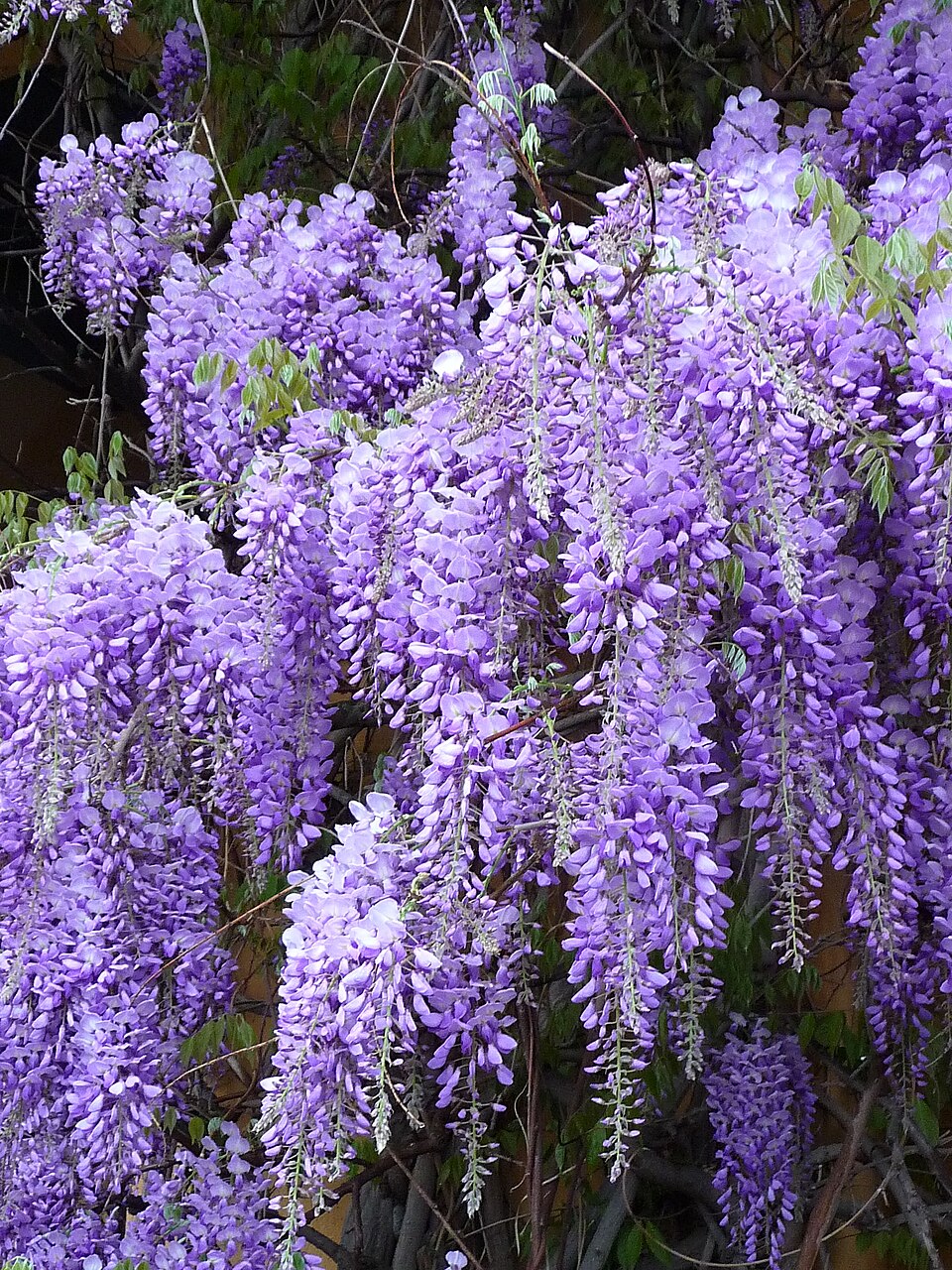
Wisteria
Wisteria spp.
Wisteria is a beautiful flowering vine, but all parts of it are very dangerous for cats to eat. The plant contains toxic compounds called wisterin and lectins, which can cause severe food poisoning-like symptoms. The toxins are most concentrated in the seeds and seed pods, making them especially hazardous. A cat that eats any part of the wisteria plant, particularly the seeds, can become seriously ill. Signs include severe vomiting (sometimes with blood), diarrhea, and intense stomach pain. This can quickly lead to dehydration and, in serious cases, collapse or nervous system problems. Due to the plant's high toxicity, even eating just a couple of seeds can be enough to cause significant illness in a cat. If you suspect your cat has chewed on or eaten any wisteria, it is an emergency. Please contact your veterinarian or an emergency animal hospital immediately.
Important Notes
Toxic compounds: wisterin (glycoside) and lectin-type proteins; seeds and seed pods most concentrated; all parts toxic
Mechanism: wisterin irritates the GI mucosa; lectins may inhibit protein synthesis at higher doses
Symptoms: repeated and severe vomiting, diarrhea, drooling, abdominal pain, lethargy; seed ingestion may cause more pronounced effects
Even 2–3 seeds can cause significant symptoms in a cat
Contact your vet if your cat ingests any part of the wisteria plant, especially seeds
Potentially Toxic Parts
Stem
Bark
Seed
Leaf
Flower
Possible Symptoms Reported in Cats
Lethargy, central nervous system (CNS) damage, and physical collapse
Neurological · Usually progresses following the initial severe gastrointestinal distress that begins within a few h
Severe vomiting, which may contain blood
Gastrointestinal · Typically appears within a few hours of ingestion
Diarrhea
Gastrointestinal · Typically appears within a few hours of ingestion
Abdominal pain and stomach cramps
Gastrointestinal · Typically appears within a few hours of ingestion
Drooling and nausea
Gastrointestinal · Typically appears within a few hours of ingestion
Disclaimer: This summary was compiled from multiple sources and is for informational use only. It is not a diagnosis or treatment plan. Toxicity can vary based on the substance, amount, plant part, and individual cat. If you think your cat may have been exposed to a toxic substance, contact a veterinarian right away.