
 ←
←
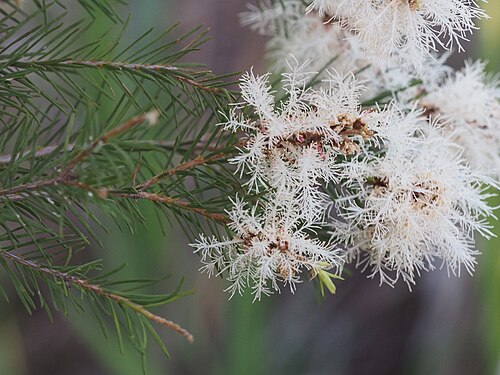
Tea Tree
Melaleuca alternifolia
Tea Tree essential oil, derived from the Melaleuca alternifolia plant, is extremely dangerous for cats and should never be used on or near them. Cats can absorb the toxic compounds through their skin, by inhaling the oil's vapor, or by licking it off their fur. This exposure can lead to severe poisoning very quickly. The oil contains terpenes, a type of compound that a cat's liver cannot properly break down. This causes the toxins to build up in their system, affecting the central nervous system and liver. Even a few drops can be enough to cause a life-threatening reaction. Signs of tea tree oil poisoning include stumbling or lack of coordination, weakness, shaking, a low body temperature, and vomiting. If you suspect your cat has been exposed to tea tree oil, this is a medical emergency. Wash the oil off your cat immediately with dish soap and water, and contact a veterinarian or an emergency animal hospital without delay.
Important Notes
Toxic compounds: terpene-4-ol, alpha-terpinene, and related monoterpenoids; concentrated in essential oil (never use on or near cats)
Mechanism: cats lack sufficient glucuronyl transferase to metabolise these terpenoids, causing rapid toxic accumulation affecting the CNS and liver
Symptoms: drooling, vomiting, ataxia, weakness, tremors, low body temperature, collapse; onset within hours of topical application
Topical application is the most common cause of toxicity — never use tea tree oil as a flea treatment or skin remedy for cats
Any tea tree oil exposure is a veterinary emergency — rinse off immediately and contact a vet
Potentially Toxic Parts
Leaf
Possible Symptoms Reported in Cats
Liver injury progressing to potential liver failure
Hepatic · Not explicitly specified in the sources.
Shaking, tremoring, "walking as if they're drunk" (ataxia), collapse, and seizures
Neurological · Not explicitly specified in the sources.
Depression, lethargy, or dullness
Neurological · Not explicitly specified in the sources.
Hypothermia (abnormally low body temperature)
Metabolic · Not explicitly specified in the sources.
Sore skin, redness, or chemical burns
Dermal · Not explicitly specified in the sources.
Difficulty breathing or breathing with their mouth open
Respiratory · Not explicitly specified in the sources.
Excessive dribbling (drooling) and vomiting
Gastrointestinal · Not explicitly specified in the sources.
Disclaimer: This summary was compiled from multiple sources and is for informational use only. It is not a diagnosis or treatment plan. Toxicity can vary based on the substance, amount, plant part, and individual cat. If you think your cat may have been exposed to a toxic substance, contact a veterinarian right away.