
 ←
←
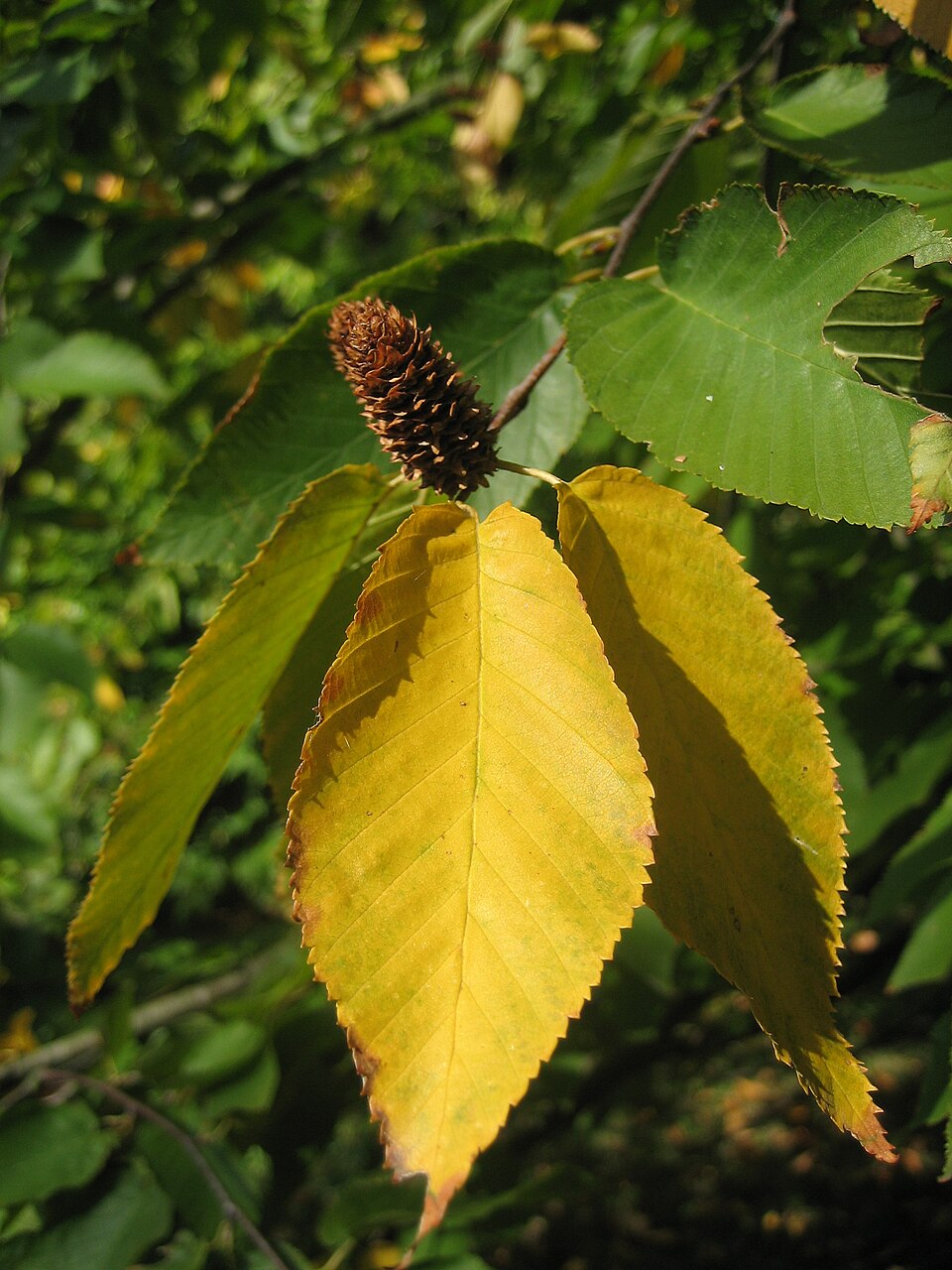
Sweet Birch
Betula lenta
Sweet Birch (Betula lenta), like other birch species, contains salicylates, which are compounds related to aspirin. While chewing on the bark or leaves can cause issues, the greatest danger to cats comes from the highly concentrated Sweet Birch essential oil. The oil is extremely toxic because cats lack the specific liver enzymes needed to properly metabolize salicylates. When exposed through skin contact, inhalation from a diffuser, or ingestion from grooming, these compounds can build up in the cat's body to poisonous levels, leading to severe health problems like liver failure. Exposure to birch essential oil is a veterinary emergency. Signs of poisoning include vomiting, rapid breathing, weakness, tremors, and seizures. Never apply birch oil to a cat or use it in diffusers, and keep all essential oil products securely out of reach. If you suspect your cat has been exposed, contact your veterinarian immediately.
Important Notes
Toxic compounds: methyl salicylate (up to 98% in Sweet Birch essential oil); present in bark and leaves at lower concentrations
Mechanism: cats cannot efficiently metabolise salicylates via glucuronidation, causing toxic accumulation; inhibits prostaglandin synthesis affecting the GI tract and kidneys
Symptoms: vomiting, diarrhea, rapid breathing, weakness, tremors; severe cases cause GI haemorrhage, metabolic acidosis, and kidney failure
Birch essential oil is extremely concentrated and highly dangerous — never apply to or diffuse near cats
Contact your vet immediately if your cat is exposed to birch oil or essential oil products
Potentially Toxic Parts
Root
Bark
Leaf
Possible Symptoms Reported in Cats
Shaking, tremoring, "walking as if they're drunk" (ataxia), collapse, and seizures
Neurological · Not explicitly specified.
Liver failure (and serious organ damage)
Hepatic · Not explicitly specified.
Sore skin, redness, or chemical burns
Dermal · Not explicitly specified in the sources.
Vomiting
Gastrointestinal · Not explicitly specified.
Difficulty breathing or open-mouth breathing
Respiratory · Not explicitly specified.
Lethargy, depression, or dullness
Gastrointestinal · Not explicitly specified.
Excessive dribbling
Gastrointestinal · Not explicitly specified.
Disclaimer: This summary was compiled from multiple sources and is for informational use only. It is not a diagnosis or treatment plan. Toxicity can vary based on the substance, amount, plant part, and individual cat. If you think your cat may have been exposed to a toxic substance, contact a veterinarian right away.