
 ←
←
Jerusalem Cherry
Solanum pseudocapsicum
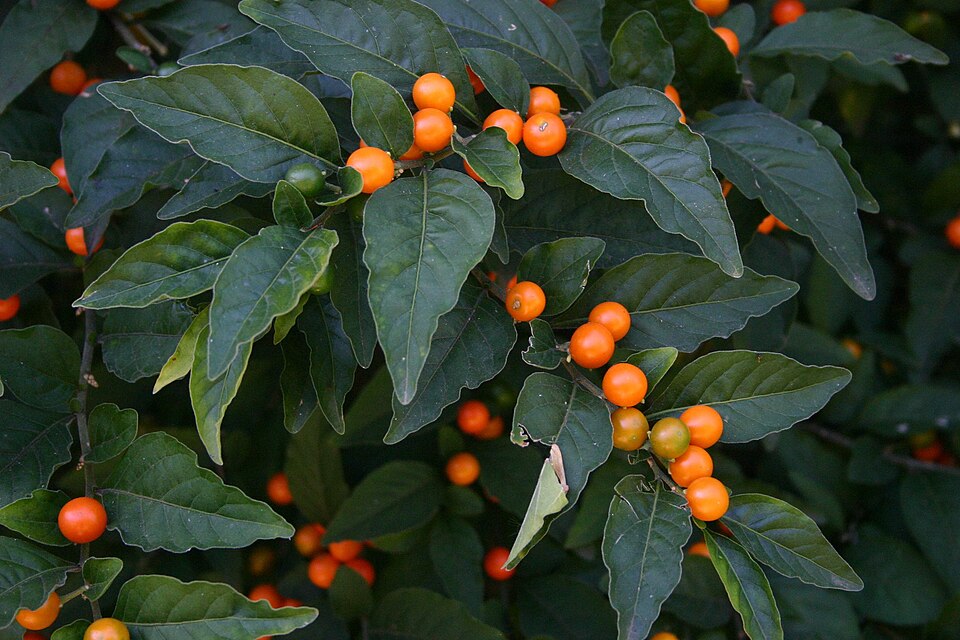
Jerusalem Cherry (Solanum pseudocapsicum), also called winter cherry, is an ornamental nightshade plant with bright red or orange berries. It is toxic to cats, and the berries are the most tempting part. The plant contains glycoalkaloids such as solanine and solasonine. These chemicals can irritate the digestive tract and may also affect the nervous system. All parts are unsafe, but the colorful berries create the highest household risk. A cat that eats Jerusalem cherry may vomit, have diarrhea, drool, seem sleepy, act confused, or become weak. More serious cases can involve tremors or breathing problems. Keep the plant away from cats, and call a veterinarian if your cat eats any berries or plant material.
Important Notes
Toxic compounds: solanine and solasonine (steroidal glycoalkaloids); berries are most concentrated, but leaves and stems also contain toxins
Mechanism: glycoalkaloids inhibit acetylcholinesterase and disrupt cell membranes, causing GI and neurological effects
Symptoms: drooling, vomiting, diarrhea, abdominal pain, lethargy, weakness; more severe ingestion may cause tremors, confusion, or bradycardia
The berries resemble small tomatoes or ornamental peppers and are visually appealing to cats
Keep Jerusalem Cherry out of cat-accessible spaces; contact your vet if berry ingestion occurs
Potentially Toxic Parts
Leaf
Fruit
Possible Symptoms Reported in Cats
Convulsions (Seizures), Progressive Weakness, Paralysis, Dilated Pupils
Neurological · Delayed (Neurological signs often follow gastrointestinal distress as the toxin is absorbed).
Bradycardia (Slow Heart Rate), Circulatory Collapse
Cardiac · Acute (Following absorption).
Vomiting, Diarrhea (often Hemorrhagic), Abdominal Pain, Anorexia
Gastrointestinal · 2–24 hours (General onset for Solanaceae/Nightshade alkaloid toxicity).
Dyspnea (Difficulty Breathing)
Respiratory · Acute.
Disclaimer: This summary was compiled from multiple sources and is for informational use only. It is not a diagnosis or treatment plan. Toxicity can vary based on the substance, amount, plant part, and individual cat. If you think your cat may have been exposed to a toxic substance, contact a veterinarian right away.