
 ←
←
Eggplant
Solanum melongena
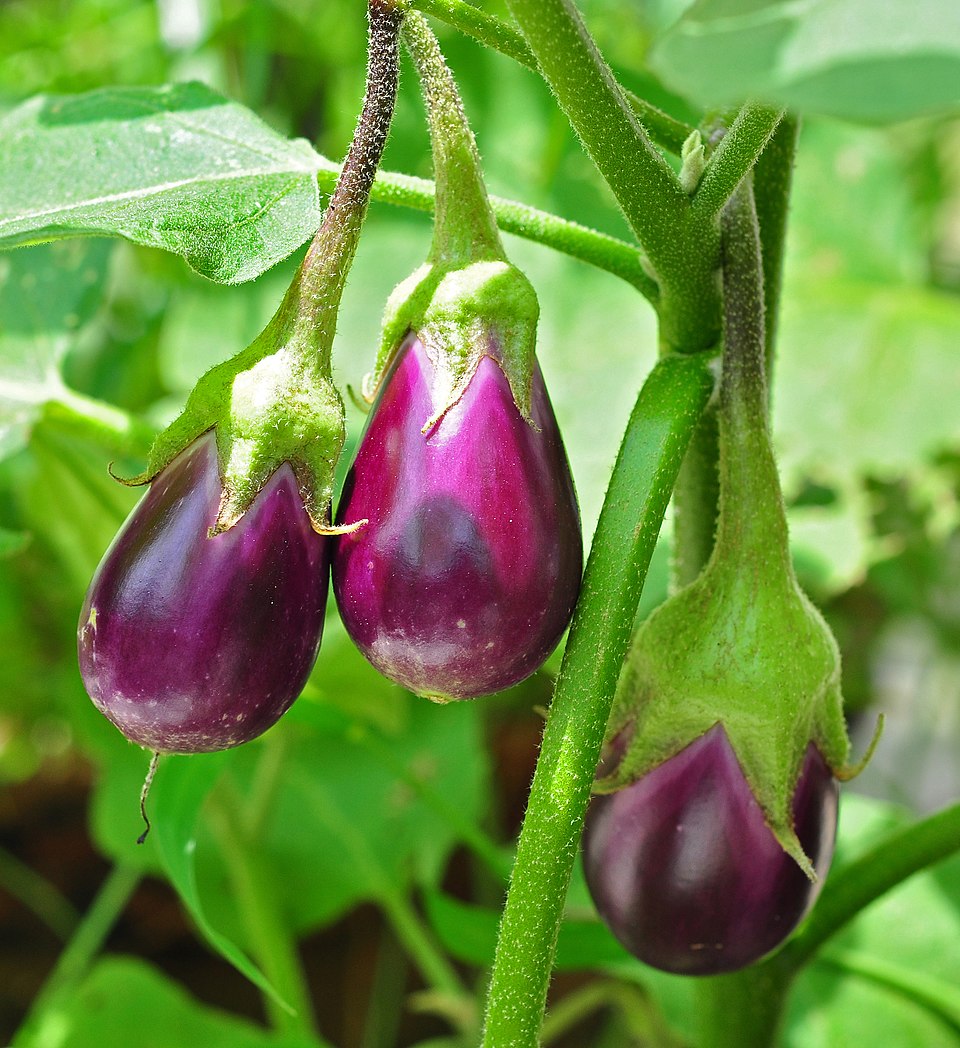
Eggplant (Solanum melongena) is the purple vegetable often used in cooking. The ripe, plain flesh is not usually a serious toxin for cats, but it is not a useful food for them and may still upset the stomach. The plant itself should be treated more carefully than the cooked vegetable. Eggplant belongs to the nightshade family. Its leaves, stems, flowers, and unripe green fruit contain solanine and related glycoalkaloids. These compounds can irritate the digestive tract and, in larger amounts, may affect the nervous system and heart. Cooked eggplant dishes can also be unsafe because they often contain garlic, onion, heavy salt, butter, or rich sauces. If a cat eats a tiny bite of plain ripe eggplant, watch for drooling, vomiting, diarrhea, low energy, or wobbliness. Keep eggplant plants and unripe fruit away from cats. Call a veterinarian or pet poison helpline promptly if your cat eats leaves, stems, flowers, a large amount of eggplant, or any eggplant cooked with garlic or onion.
Important Notes
Main risk: Leaves, stems, flowers, and unripe fruit contain solanine-like glycoalkaloids.
Ripe plain flesh: A tiny bite is usually lower risk, but it has little value for cats and may cause stomach upset.
Avoid cooked dishes: Garlic, onion, heavy salt, butter, and rich sauces can make eggplant unsafe.
Action: Call a vet or poison helpline if your cat eats plant parts, a large amount, or develops symptoms.
Potentially Toxic Parts
Stem
Leaf
Flower
Fruit
Possible Symptoms Reported in Cats
Tremors, seizures, slow heart rate, or trouble breathing
Neurological · Uncommon, but possible after larger exposure.
Drooling, vomiting, diarrhea, or belly pain
Gastrointestinal · Usually within a few hours after eating plant parts or a large amount.
Low energy, weakness, or wobbliness
Neurological · May follow stomach upset as the toxin is absorbed.
Disclaimer: This summary was compiled from multiple sources and is for informational use only. It is not a diagnosis or treatment plan. Toxicity can vary based on the substance, amount, plant part, and individual cat. If you think your cat may have been exposed to a toxic substance, contact a veterinarian right away.