
 ←
←
Tomato
Solanum lycopersicum
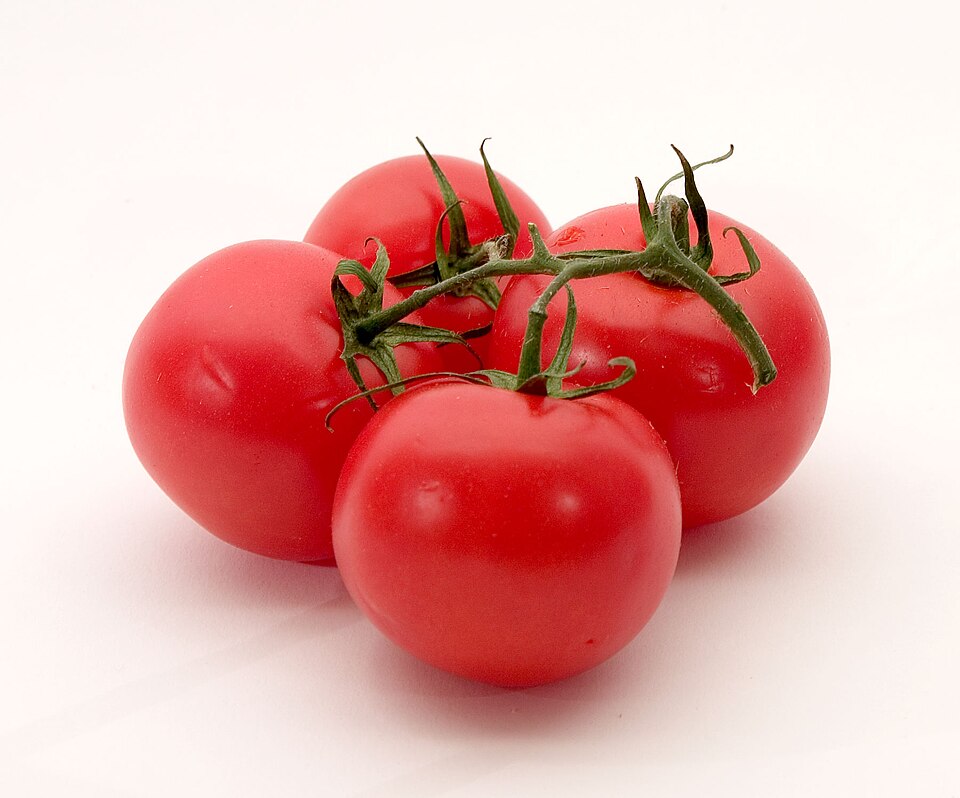
While the ripe, red fruit of the tomato (Solanum lycopersicum) is generally considered non-toxic for cats in small amounts, the green parts of the plant are poisonous. This includes the leaves, stems, vines, and unripe green tomatoes, all of which contain harmful compounds. The toxic substances are glycoalkaloids known as solanine and tomatine. These compounds are part of the plant's natural defense system and are concentrated in its green parts. If ingested, they can cause significant gastrointestinal distress and, in larger quantities, may affect the nervous system, leading to confusion, weakness, or a slowed heart rate. As the tomato fruit ripens to red, these toxin levels naturally fall to negligible, safe amounts. Symptoms of tomato plant poisoning include severe vomiting, diarrhea, drooling, lethargy, and loss of appetite. To be safe, prevent cats from accessing tomato plants. If you know your cat has eaten the green leaves or an unripe tomato, you should contact your veterinarian for guidance.
Important Notes
Avoid: all green plant parts — leaves, stems, vines, and unripe tomatoes contain solanine and tomatine
Ripe red flesh: safe in very small amounts; no nutritional benefit for cats and high acid content may cause mild upset
Symptoms if green parts ingested: drooling, vomiting, diarrhea, lethargy, weakness; severe cases cause bradycardia or CNS depression
Never feed tomato sauce, ketchup, or canned tomato products — typically contain garlic, onion, and salt
Contact your vet if your cat eats significant amounts of green tomato plant material
Potentially Toxic Parts
Stem
Leaf
Fruit
Possible Symptoms Reported in Cats
Slowed heart rate (bradycardia)
Cardiac · Occurs after the systemic absorption of a large toxic dose.
Vomiting and diarrhea
Gastrointestinal · Within a few hours of ingestion.
Lethargy, weakness, and confusion
Neurological · Progresses after gastrointestinal signs (usually within a few to several hours).
Dilated pupils (mydriasis)
Neurological · A few hours after ingestion.
Hypersalivation (Drooling)
Gastrointestinal · Within a few hours of ingestion.
Disclaimer: This summary was compiled from multiple sources and is for informational use only. It is not a diagnosis or treatment plan. Toxicity can vary based on the substance, amount, plant part, and individual cat. If you think your cat may have been exposed to a toxic substance, contact a veterinarian right away.