
 ←
←
String of Pearls
Senecio rowleyanus
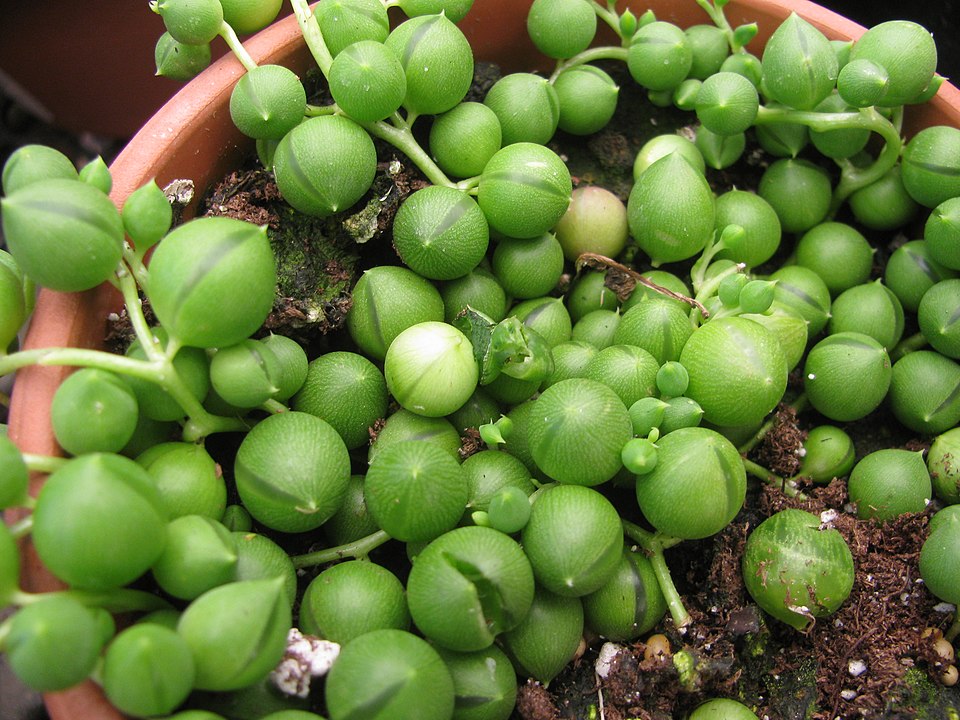
String of Pearls (Senecio rowleyanus) is a popular trailing succulent whose bead-like leaves make it visually appealing, but it is toxic to cats. The entire plant, including its sap, contains compounds that can cause internal and external irritation. The plant is believed to contain pyrrolizidine alkaloids, which are known to be harmful to the liver, although the exact toxins have not been fully identified. Additionally, the plant's sap can irritate a cat's skin and eyes on contact. Because the round leaves are tempting for cats to bat at and chew, this plant poses a significant risk. If a cat eats this plant, it may lead to vomiting, diarrhea, drooling, and noticeable tiredness or lethargy. Skin contact might cause redness or itching. Due to the risk of liver damage and other symptoms, place this plant completely out of your cat's reach. If you suspect your cat has eaten any part of it, contact your veterinarian.
Important Notes
Toxic compounds: pyrrolizidine alkaloids and irritant compounds throughout the plant; the round bead-like leaves may attract cats
Mechanism: PAs are metabolised to reactive pyrroles in the liver, causing hepatocellular necrosis; cumulative damage can lead to liver failure
Symptoms: vomiting, diarrhea, drooling, lethargy; chronic exposure may cause weight loss and jaundice as liver damage accumulates
The dangling bead-like appearance is particularly appealing to cats — relocate to spaces cats cannot access
Seek veterinary care if significant ingestion occurs
Potentially Toxic Parts
Sap
Leaf
Possible Symptoms Reported in Cats
Vomiting and diarrhea
Gastrointestinal · Not explicitly specified in the sources.
Drooling
Gastrointestinal · Not explicitly specified in the sources.
Lethargy
Neurological · Not explicitly specified in the sources.
Irritation of the skin and eyes
Dermal · Not explicitly specified (likely immediate or shortly after contact).
Disclaimer: This summary was compiled from multiple sources and is for informational use only. It is not a diagnosis or treatment plan. Toxicity can vary based on the substance, amount, plant part, and individual cat. If you think your cat may have been exposed to a toxic substance, contact a veterinarian right away.