
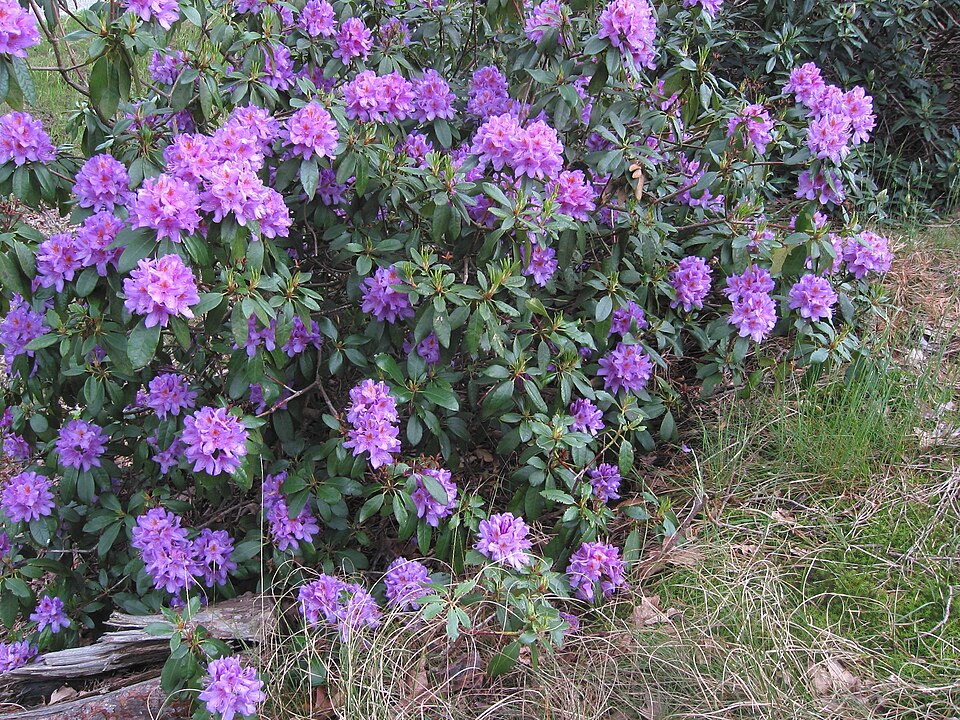
 ←
←
Azalea
Rhododendron spp.
Azaleas (Rhododendron spp.) are highly toxic to cats, and even small amounts can cause life-threatening illness. They contain grayanotoxins (also called andromedotoxins), which bind to and lock open voltage-gated sodium channels in nerve and muscle cell membranes. This disrupts the normal electrical signalling that the heart, muscles, and nervous system depend on, resulting in widespread cardiovascular and neurological dysfunction.
Important Notes
Symptoms: Profuse drooling, vomiting, diarrhea, ataxia (stumbling), muscle weakness, abnormal heart rhythm, and dangerously low blood pressure; severe cases progress to seizures, coma, and death.
All parts are toxic: Leaves, flowers, nectar, and pollen all contain grayanotoxins — even water from a vase containing azalea cuttings poses a risk.
Dose matters urgently: Ingestion of as little as 0.2% of a cat's body weight in leaves can trigger toxicity. Seek emergency veterinary care immediately.
Potentially Toxic Parts
All parts of the plant
Possible Symptoms Reported in Cats
Weakness, Tremors, Seizures, Depression, and Ataxia (loss of coordination)
Neurological · Within hours.
Arrhythmias (irregular heart rate), Bradycardia (slow heart rate), and Hypotension (low blood pressure)
Cardiac · Acute (following gastrointestinal signs).
Dyspnea (Trouble breathing)
Respiratory · Acute.
Vomiting, Diarrhea, Hypersalivation (Drooling), and Anorexia (Refusal to eat)
Gastrointestinal · Within 1–4 hours of ingestion; occasionally up to 12 hours.
Transient Blindness (Temporary loss of vision) or Blurred Vision
Neurological · Acute.
Disclaimer: This summary was compiled from multiple sources and is for informational use only. It is not a diagnosis or treatment plan. Toxicity can vary based on the substance, amount, plant part, and individual cat. If you think your cat may have been exposed to a toxic substance, contact a veterinarian right away.