
 ←
←
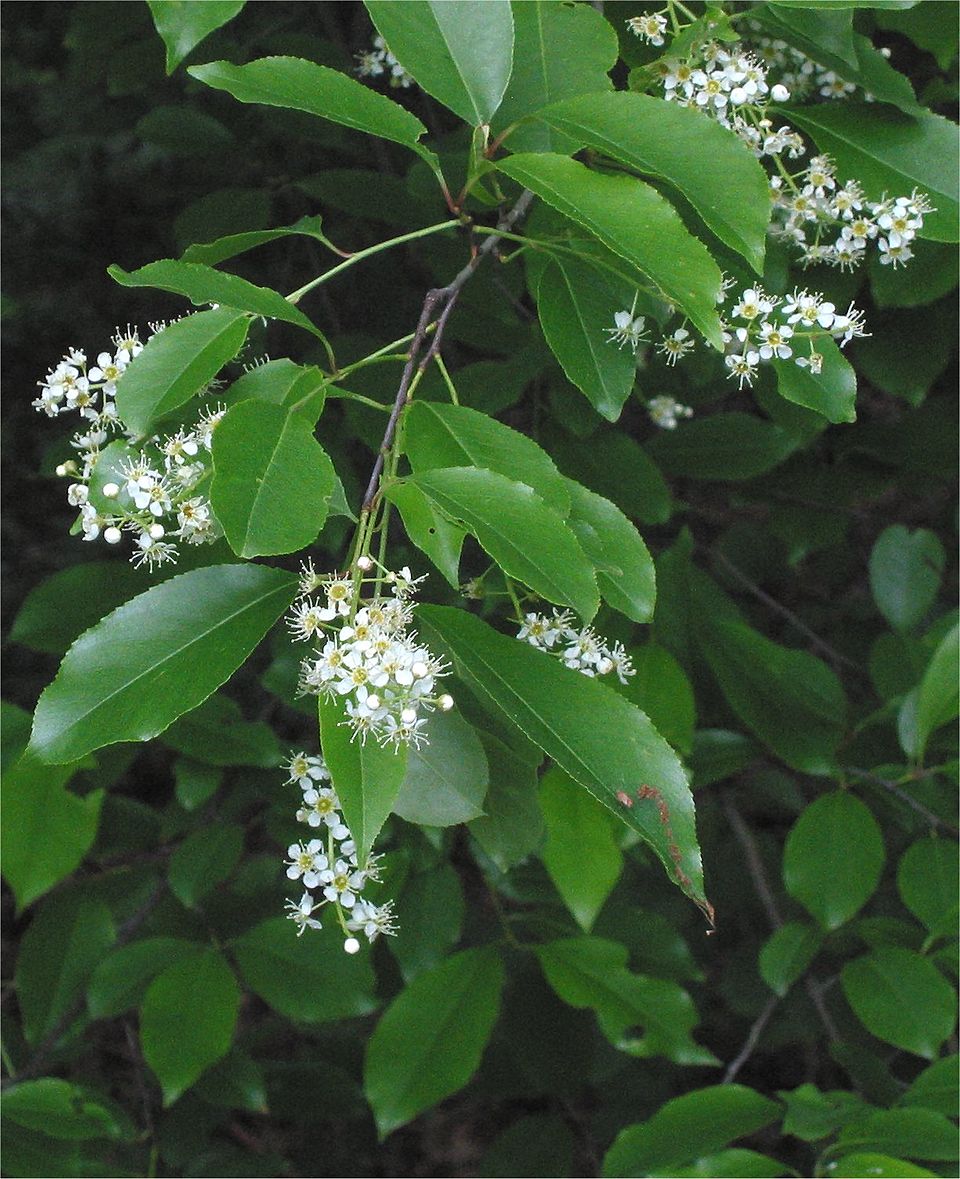
Cherry / Black Cherry / Chokecherry
Prunus serotina
Cherries — including sweet cherries (Prunus avium), black cherries (Prunus serotina), and chokecherries (Prunus virginiana) — present a split safety picture for cats. The ripe fruit flesh is not toxic and is safe in small amounts as an occasional treat. However, the pits, seeds, leaves, bark, and stems all contain amygdalin, a cyanogenic glycoside that is broken down by digestive enzymes into hydrogen cyanide (HCN). The mechanism is identical to apricot pits and apple seeds: cyanide binds to cytochrome c oxidase, halting cellular respiration.
Important Notes
Symptoms (if pits or leaves ingested): Vomiting, rapid or laboured breathing, lethargy, shock, seizures, and potentially fatal respiratory and cardiac failure.
Safe part: Ripe flesh only — remove the pit, stem, and any leaves entirely before offering as a treat.
Physical hazard: Pits are a choking risk and can cause intestinal obstruction if swallowed whole.
Action: Seek emergency veterinary care immediately if a cat has chewed on a pit, bark, or leaves.
Potentially Toxic Parts
Stem
Leaf
Seed
Pit
Possible Symptoms Reported in Cats
Tachypnea (rapid breathing), dyspnea (difficulty breathing), or panting
Respiratory · 10–60 minutes (Symptoms develop very rapidly).
Seizures, tremors, dilated pupils, incoordination, and sudden collapse
Neurological · 10–60 minutes.
Bright red gums (mucous membranes) and cherry-red blood coloring
Hematological · 10–60 minutes.
Arrhythmias (irregular heartbeat) and hypotension (low blood pressure)
Cardiac · 10–60 minutes.
Vomiting, diarrhea, and salivation
Gastrointestinal · 10–60 minutes (often the first sign before progression).
Disclaimer: This summary was compiled from multiple sources and is for informational use only. It is not a diagnosis or treatment plan. Toxicity can vary based on the substance, amount, plant part, and individual cat. If you think your cat may have been exposed to a toxic substance, contact a veterinarian right away.