 ←
←
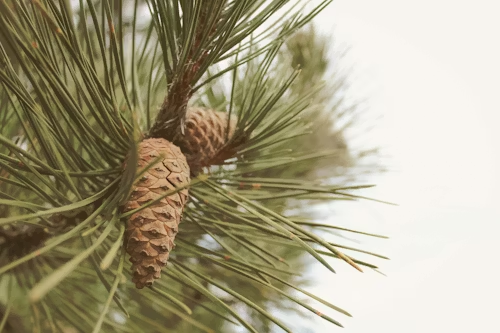
Pine
Pinus spp.
Most pine trees (Pinus spp.) are not severely toxic to cats, but they pose several practical risks. Pine needles can cause physical injury to the GI tract if swallowed, and the sap contains terpene compounds that cause GI irritation. Water from a Christmas tree stand (which may contain fertilisers, preservatives, or high terpene runoff) can cause vomiting if a cat drinks it.
Important Notes
Physical hazard: pine needles are sharp and can puncture or irritate the mouth, stomach, and intestines
Terpene irritants: pine sap and essential oil contain alpha-pinene and other terpenoids that cause mild GI upset
Christmas tree water risk: often contains bacteria, fertilisers, or tree preservatives — keep cats from drinking it
Norfolk Island Pine (Araucaria) is a distinct species in a different family and is considered more toxic to cats
Contact your vet if your cat ingests many needles or large amounts of sap
Potentially Toxic Parts
Sap
Leaf
Possible Symptoms Reported in Cats
Digestive blockages
Gastrointestinal · Not explicitly specified in the sources.
Drooling and vomiting
Gastrointestinal · Not explicitly specified in the sources.
Disclaimer: This summary was compiled from multiple sources and is for informational use only. It is not a diagnosis or treatment plan. Toxicity can vary based on the substance, amount, plant part, and individual cat. If you think your cat may have been exposed to a toxic substance, contact a veterinarian right away.