 ←
←
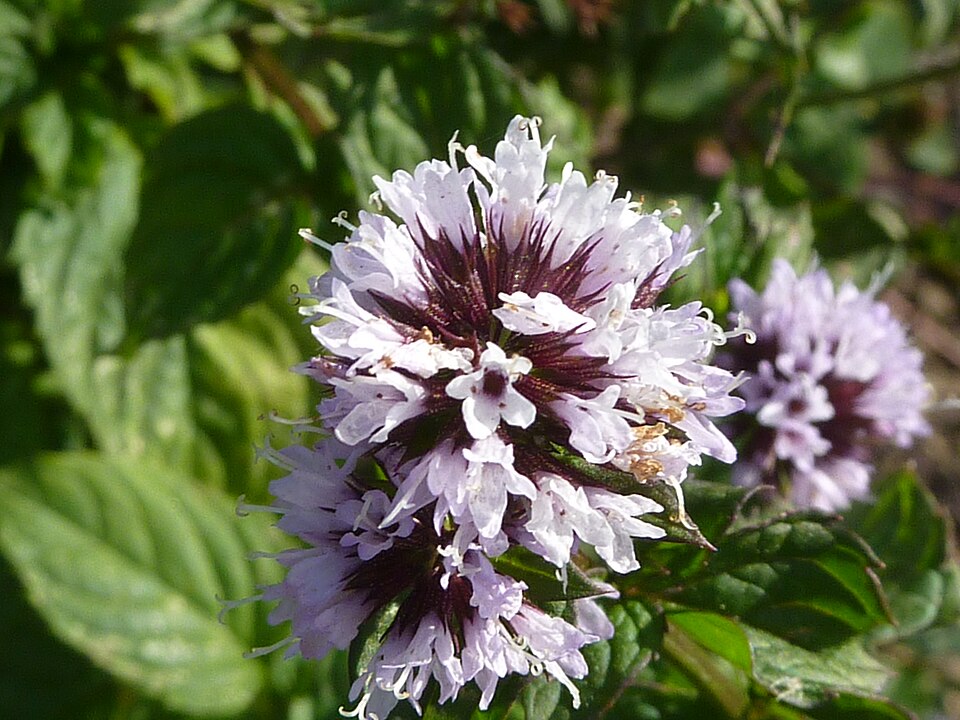
Orange Mint
Mentha citrata
Orange Mint (Mentha x piperita f. citrata), a citrus-scented hybrid mint variety, is mildly toxic to cats. Like all Mentha species, it contains pulegone and menthol-related terpenoid compounds that cats cannot efficiently metabolise. While the orange-citrus fragrance may attract some cats, ingestion causes gastrointestinal upset.
Important Notes
Toxic compounds: pulegone, linalool, and citrus-scented monoterpenoids; concentration increases in the flowers and essential oil
Mechanism: cats lack efficient glucuronidation for these terpenoids, leading to GI irritation and mild hepatic stress with repeated exposure
Symptoms: vomiting, diarrhea, drooling, lethargy; typically mild and self-limiting
Fresh leaf nibbling usually causes only transient mild upset; essential oil forms are far more dangerous
Keep mint plants and all mint-derived essential oils away from cats
Potentially Toxic Parts
Leaf
Entire Plant
Possible Symptoms Reported in Cats
Lethargy, profound weakness, uncoordinated gait (ataxia), muscle tremors, and seizures
Neurological · Shortly after absorption into the bloodstream.
Difficulty breathing, coughing, and sneezing
Respiratory · Immediate (if oils are inhaled) to shortly after exposure
Liver damage progressing to liver failure
Hepatic · Delayed (often developing over several hours or days as the liver struggles to metabolize the toxins
Skin irritation, redness, or burns on the lips, gums, tongue, or skin
Dermal · Immediate upon direct contact.
Vomiting, diarrhea, excessive drooling (foaming at the mouth), difficulty swallowing, and loss of appetite
Gastrointestinal · Rapidly shortly after ingestion
Disclaimer: This summary was compiled from multiple sources and is for informational use only. It is not a diagnosis or treatment plan. Toxicity can vary based on the substance, amount, plant part, and individual cat. If you think your cat may have been exposed to a toxic substance, contact a veterinarian right away.