
 ←
←
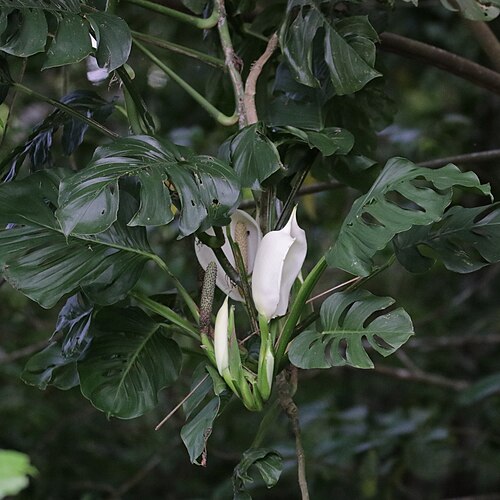
Swiss Cheese Vine
Monstera adansonii
The Swiss Cheese Vine (Monstera adansonii) is a popular houseplant that is toxic to cats. All parts of the plant contain microscopic, needle-shaped crystals called insoluble calcium oxalates. These crystals are designed to be a defense mechanism for the plant. When a cat bites or chews on a leaf or stem, these sharp crystals shoot into the sensitive tissues of the cat's mouth, tongue, and throat. This causes immediate and intense pain, similar to biting into tiny shards of glass. It is a physical injury, not a chemical poisoning, and it usually stops cats from eating a large amount. Signs of exposure include intense drooling, pawing at the mouth, vocalizing in pain, and swelling of the mouth and lips. This swelling can sometimes make it difficult to swallow. If your cat chews on this plant, gently rinse its mouth with water and contact your veterinarian, especially if you notice any difficulty swallowing or breathing.
Important Notes
Toxic compounds: insoluble calcium oxalate raphides; sap also contains proteolytic enzymes
Mechanism: raphides penetrate the oral mucosa mechanically when plant cells are damaged, causing burning and swelling
Symptoms: sudden oral pain, intense drooling, pawing at mouth, difficulty swallowing, swollen tongue and lips, vomiting
All Monstera species carry the same oxalate toxicity — Swiss Cheese Vine, Swiss Cheese Plant, and Split-Leaf Philodendron are all hazardous
Rinse the mouth with water; seek vet care if swallowing is impaired
Potentially Toxic Parts
Leaf
Stem
Possible Symptoms Reported in Cats
Swelling of the mouth, tongue, and throat (edema), leading to difficulty swallowing
Gastrointestinal · Immediate to shortly after exposure.
Oral burning, tissue irritation, and crying out in pain
Gastrointestinal · Immediate.
Excessive drooling (hypersalivation) and pawing at the mouth
Gastrointestinal · Immediate.
Vomiting
Gastrointestinal · Shortly after ingestion.
Anorexia or reluctance to eat
Gastrointestinal · Shortly after exposure.
Disclaimer: This summary was compiled from multiple sources and is for informational use only. It is not a diagnosis or treatment plan. Toxicity can vary based on the substance, amount, plant part, and individual cat. If you think your cat may have been exposed to a toxic substance, contact a veterinarian right away.