
 ←
←
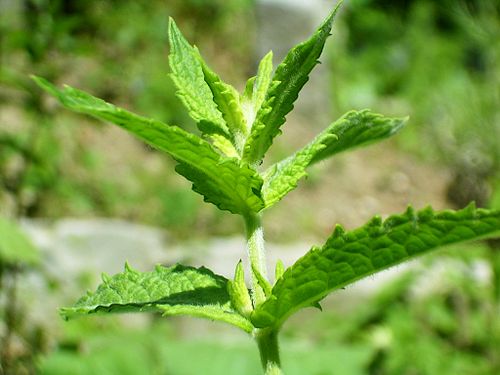
Spearmint
Mentha spicata
Spearmint (Mentha spicata) is a common garden herb. While chewing on a small amount of the fresh plant is unlikely to cause serious harm, it can lead to an upset stomach. The plant contains oils that are difficult for a cat's liver to process, which may cause vomiting or diarrhea. The real danger comes from spearmint essential oil, which is a highly concentrated form. Essential oils are much more potent than the plant itself and are toxic to cats. Exposure to the oil, whether by skin contact or ingestion, can lead to more severe symptoms, including potential liver stress if the exposure is significant or repeated. If your cat nibbles on a fresh spearmint leaf, they will likely only have mild digestive upset. However, keep all essential oils away from cats. If your cat eats a large amount of the plant or shows ongoing symptoms like vomiting or lethargy, it's best to contact your veterinarian.
Important Notes
Toxic compounds: carvone, limonene, and related monoterpenoids; concentration is highest in the essential oil
Mechanism: limited feline glucuronidation of monoterpenes leads to GI irritation and mild liver stress with repeated exposure
Symptoms: vomiting, diarrhea, drooling, lethargy; usually mild and self-limiting with leaf exposure
Spearmint essential oil is far more dangerous than the fresh plant — do not use on or near cats
Contact your vet if your cat ingests large amounts or shows persistent symptoms
Potentially Toxic Parts
Leaf
Entire Plant
Possible Symptoms Reported in Cats
Lethargy, weakness, uncoordinated gait (ataxia), tremors, and seizures
Neurological
Liver damage or liver failure
Hepatic
Difficulty breathing, coughing, and sneezing
Respiratory
Nausea, vomiting, diarrhea, and general upset stomach
Gastrointestinal
Skin irritation, redness, or burns on the lips, gums, tongue, or skin
Dermal
Excessive drooling (hypersalivation) and difficulty swallowing
Gastrointestinal
Disclaimer: This summary was compiled from multiple sources and is for informational use only. It is not a diagnosis or treatment plan. Toxicity can vary based on the substance, amount, plant part, and individual cat. If you think your cat may have been exposed to a toxic substance, contact a veterinarian right away.