 ←
←
Corsican Mint
Mentha requienii
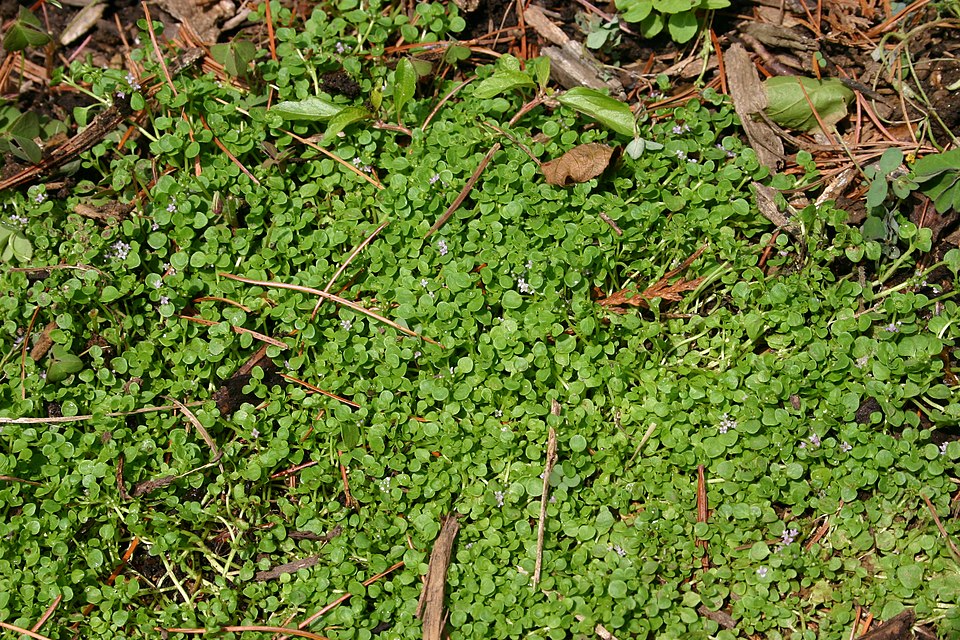
Corsican mint (Mentha requienii) is a very small, low-growing mint often used as ground cover, in pots, or between garden stones. Even though its leaves are tiny, it has a strong mint scent. It is not considered safe for cats, and cats should not be allowed to eat it or have frequent close contact with it. The main concern comes from natural aromatic compounds in mint, such as menthol, pulegone, and other monoterpenes. These compounds are part of what gives mint its strong fragrance and are also found in mint essential oils. Cats have a limited ability to break down and clear these plant compounds through the liver, so ingestion may increase the risk of poisoning. The small size of Corsican mint does not make it harmless; by weight, its essential oil content can be quite concentrated. If a cat chews or eats Corsican mint, possible signs include drooling, vomiting, diarrhea, loss of appetite, and low energy. Extra care is needed because the leaves are small but strongly scented, and dried or crushed plant material may expose cats to more concentrated oil components. Do not let cats eat Corsican mint, and avoid planting it where a cat may chew it or lie on it often. If your cat eats it or shows any signs of illness after contact, contact a veterinarian promptly.
Important Notes
Symptoms: Drooling, vomiting, diarrhea, and lethargy after ingestion; respiratory irritation if a cat inhales crushed leaves or essential oil.
Essential oils are the highest risk: Concentrated mint essential oil should never be used around cats — even diffused, it can cause serious respiratory distress.
Action: Keep the plant and any mint-derived products (oils, sprays) away from cats. Consult a vet if significant ingestion or respiratory symptoms occur.
Potentially Toxic Parts
Stem
Leaf
Entire Plant
Possible Symptoms Reported in Cats
Difficulty breathing (Dyspnea)
Respiratory · Rapid (if oils are inhaled or aspirated).
Vomiting
Gastrointestinal
Lethargy (General Weakness)
Neurological
Diarrhea
Gastrointestinal
Drooling or Foaming at the mouth
Gastrointestinal · Rapid (often a response to taste or mucosal irritation).
Disclaimer: This summary was compiled from multiple sources and is for informational use only. It is not a diagnosis or treatment plan. Toxicity can vary based on the substance, amount, plant part, and individual cat. If you think your cat may have been exposed to a toxic substance, contact a veterinarian right away.