 ←
←
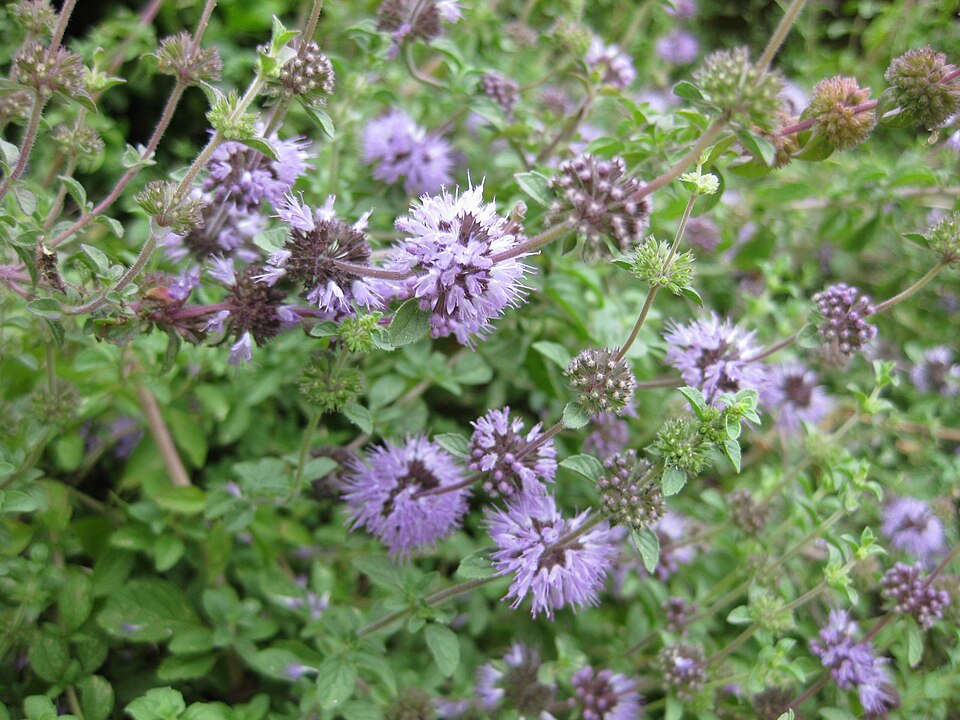
Pennyroyal
Mentha pulegium
Pennyroyal (Mentha pulegium) is a member of the mint family that is highly toxic to cats. It is much more dangerous than common peppermint. The plant contains a chemical called pulegone, which the cat's liver turns into a toxic substance that causes severe liver damage and can be fatal. In the past, pennyroyal oil was sometimes used as a natural flea treatment, but this is extremely unsafe for cats. Even a small amount of the concentrated oil absorbed through the skin or swallowed can cause the liver to fail. Symptoms include vomiting, diarrhea, yellowing of the eyes or skin (jaundice), tremors, and collapse. Eating the fresh plant is also a serious concern. If you suspect your cat has eaten pennyroyal or has come into contact with pennyroyal oil, this is an emergency. Please contact a veterinarian or an emergency animal hospital immediately.
Important Notes
Toxic compounds: pulegone (primary); metabolised to menthofuran in the liver — the true hepatotoxic agent
Mechanism: menthofuran causes direct hepatocellular necrosis (liver cell death); glutathione depletion amplifies the damage
Symptoms: vomiting, diarrhea, lethargy; severe cases cause acute liver failure with jaundice, tremors, seizures, and collapse
Pennyroyal essential oil is especially dangerous — do NOT use it as a flea treatment; even topical application can cause fatal liver failure
Any exposure to pennyroyal oil is a veterinary emergency; plant ingestion also warrants prompt vet evaluation
Potentially Toxic Parts
Root
Stem
Flower
Possible Symptoms Reported in Cats
Liver damage progressing to liver failure
Hepatic
Seizures, tremors, uncoordinated gait, weakness, and lethargy
Neurological
Vomiting, diarrhea, excessive drooling, loss of appetite, and difficulty swallowing
Gastrointestinal
Difficulty breathing, coughing, and sneezing
Respiratory
Disclaimer: This summary was compiled from multiple sources and is for informational use only. It is not a diagnosis or treatment plan. Toxicity can vary based on the substance, amount, plant part, and individual cat. If you think your cat may have been exposed to a toxic substance, contact a veterinarian right away.