
 ←
←
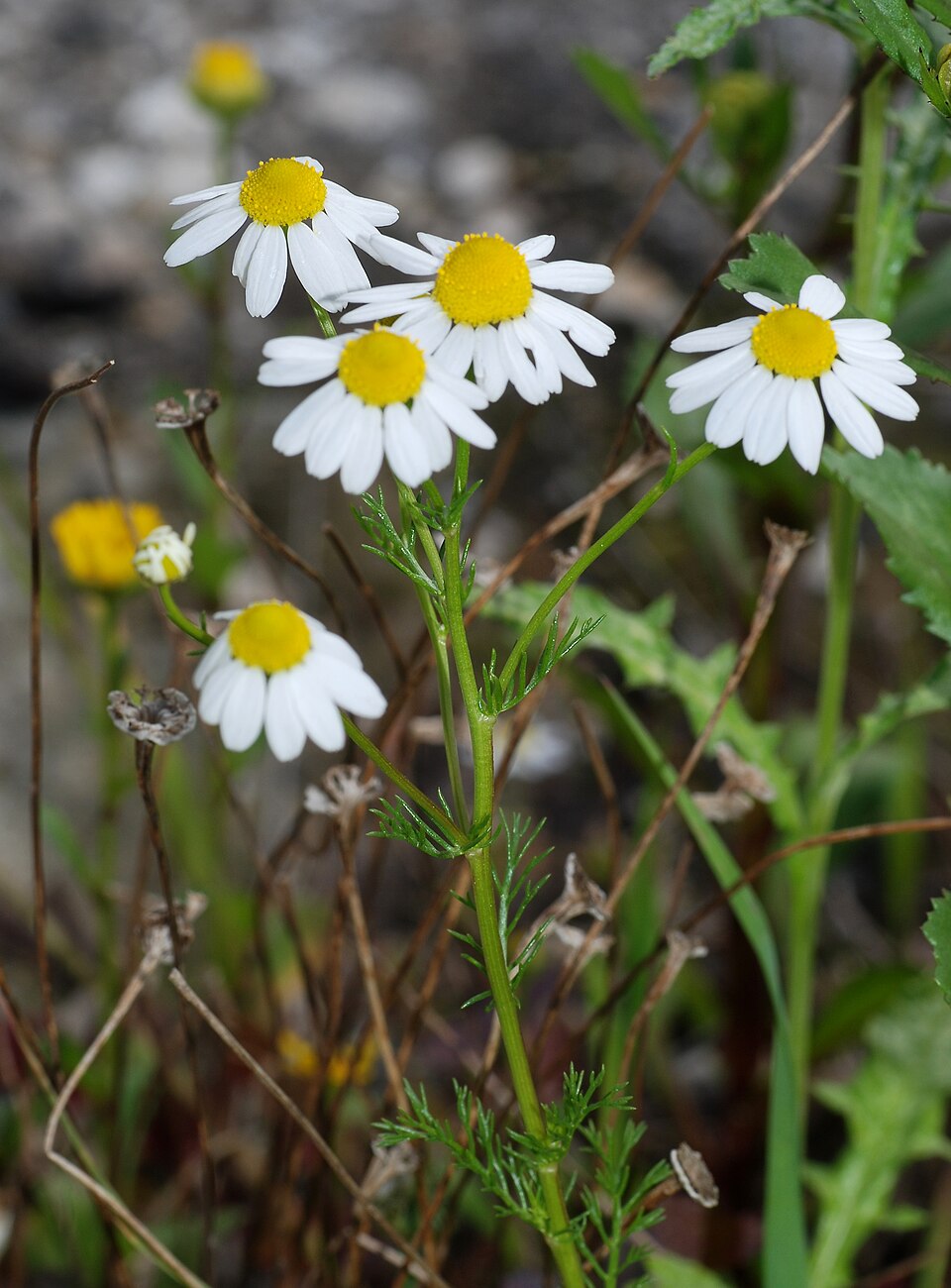
Chamomile
Matricaria chamomilla
Chamomile is often used by humans as a natural herbal remedy, but it is not safe for cats. Both Roman chamomile (Chamaemelum nobile) and German chamomile (Matricaria chamomilla) contain plant compounds such as volatile oils and terpenoids. These compounds usually do not cause problems for humans, but cats metabolize substances differently. Their livers lack some of the enzymes needed to break down certain plant chemicals, making it harder for them to process these compounds safely. If ingested, chamomile may cause vomiting, diarrhea, drooling, loss of appetite, and other symptoms in cats. In addition to ingestion, repeated contact with chamomile may also irritate a cat’s skin, causing redness, itching, or contact dermatitis. Chamomile tea bags, dried flowers, essential oils, fragrances, and skincare products containing chamomile should all be kept away from cats to prevent licking or prolonged contact.
Important Notes
Symptoms: Vomiting, diarrhea, and loss of appetite from ingestion; skin redness and dermatitis from repeated contact; potential bleeding tendency with prolonged exposure.
Essential oils are far more dangerous than dried flowers: Chamomile essential oil should be kept completely away from cats; even diffused chamomile oil can cause respiratory irritation.
Action: Keep chamomile plants, teas, and especially essential oils away from cats. Contact a vet if ingestion is significant or skin reactions develop.
Potentially Toxic Parts
Flower
Possible Symptoms Reported in Cats
Vomiting and Diarrhea
Gastrointestinal
Disclaimer: This summary was compiled from multiple sources and is for informational use only. It is not a diagnosis or treatment plan. Toxicity can vary based on the substance, amount, plant part, and individual cat. If you think your cat may have been exposed to a toxic substance, contact a veterinarian right away.