 ←
←
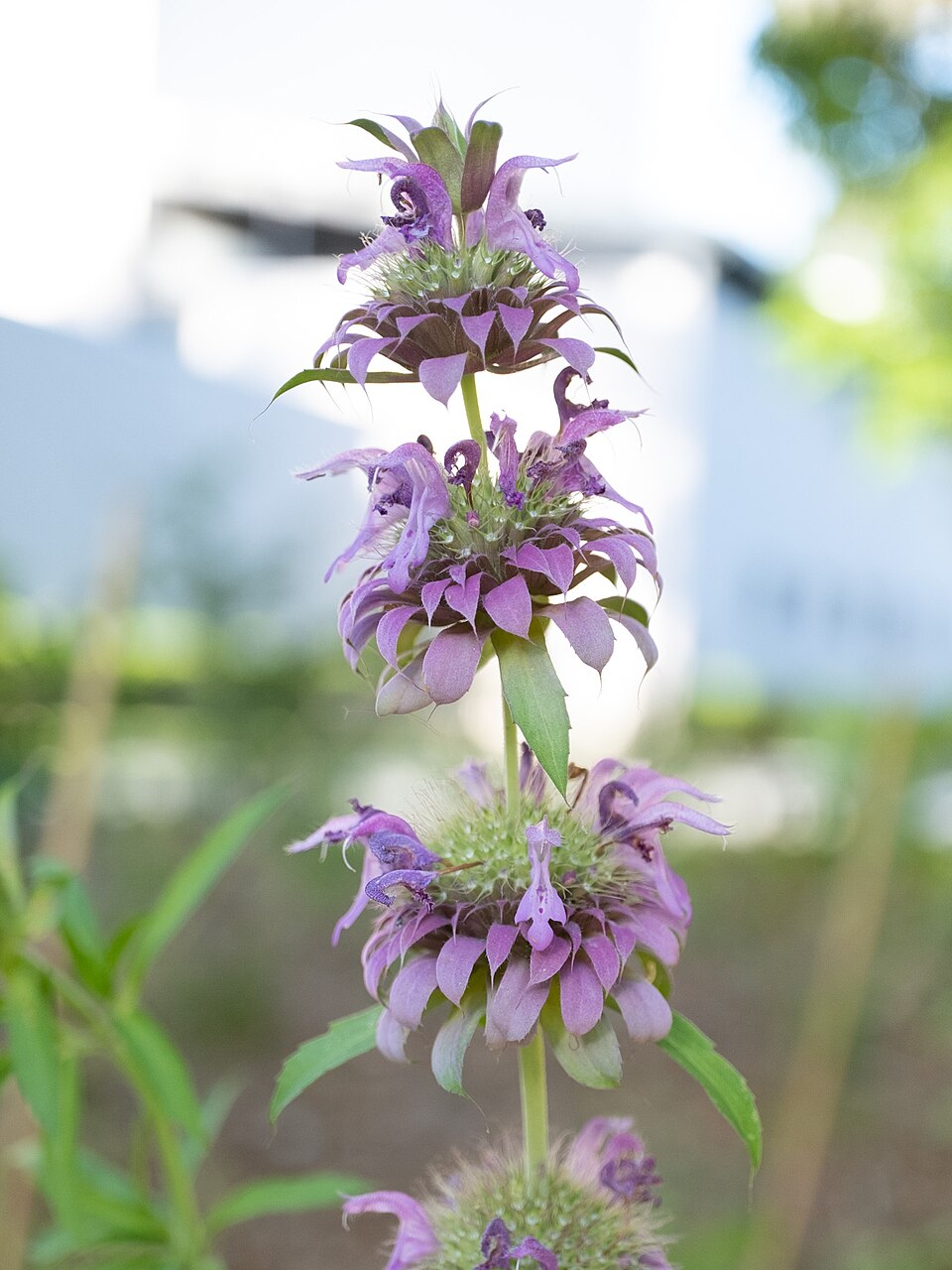
Lemon Mint
Monarda citriodora
Lemon Mint (Monarda citriodora), also known as lemon beebalm, is a fragrant herb in the mint family (Lamiaceae) that is generally considered safe for cats. Despite its common name it is not a true mint (Mentha): it is not listed as toxic by the ASPCA, and its lemony scent comes from aromatic oils dominated by thymol, p-cymene, and carvacrol — it does not contain pulegone or menthol. As with almost any plant, nibbling the leaves can cause mild, short-lived stomach upset. Take care not to confuse it with lemon-scented true mints (Mentha spp.); true mint essential oils, especially pennyroyal, are toxic to cats.
Important Notes
Not listed as toxic to cats by the ASPCA; Monarda species are widely regarded as non-toxic to pets
Aromatic oils are dominated by thymol, p-cymene, and carvacrol; the plant does not contain pulegone or menthol (pulegone is the toxic principle of pennyroyal, Mentha pulegium — a different plant)
Nibbling fresh leaves may cause mild, self-limiting stomach upset or drooling, as with many plants
Keep concentrated essential oils of any aromatic herb away from cats
Do not confuse Lemon Mint (Monarda citriodora) with lemon-scented true mints (Mentha spp.), which are toxic to cats
Disclaimer: This summary was compiled from multiple sources and is for informational use only. It is not a diagnosis or treatment plan. Toxicity can vary based on the substance, amount, plant part, and individual cat. If you think your cat may have been exposed to a toxic substance, contact a veterinarian right away.