
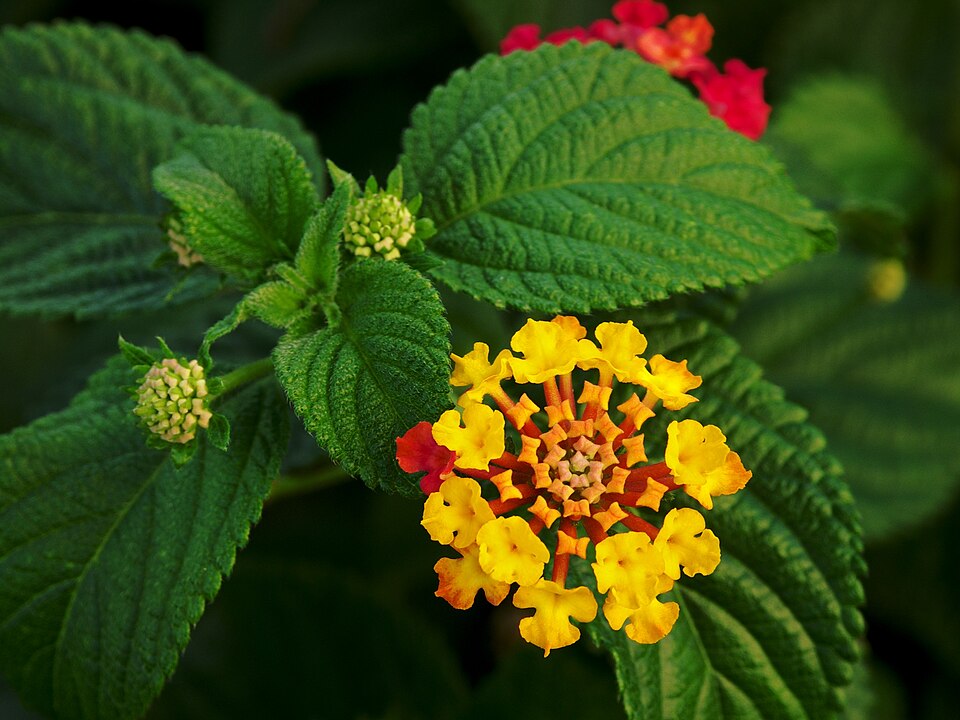
Lantana
Lantana camara
Yes. Keep it out of reach.
Lantana (Lantana camara) is a colourful flowering shrub that is severely toxic to cats.
Symptoms reported in cats
Most serious first.
- 1 Liver Failure Delayed (typically occurs after the initial gastrointestinal signs). · While the sources note that liver failure from Lantana is more commonly documented in livestock (cattle/sheep), it remains a potential risk for companion animals like cats and dogs.common plants that are toxic to cats | Petbarn Articles (Conversation History)
- 2 Vomiting and Diarrhea Not specified in the provided sources. · These are typically the initial clinical signs of poisoning.
- 3 Labored Breathing (Dyspnea) Not specified in the provided sources. · Difficulty breathing is a sign of advanced toxicity and requires immediate veterinary attention.
- 4 Weakness / Lethargy Not specified in the provided sources. · The cat may appear depressed or unable to stand normally.
Important notes
Lantana (Lantana camara) is a colourful flowering shrub that is severely toxic to cats. All parts — particularly the unripe green berries — contain lantadene A and lantadene B, pentacyclic triterpenoid compounds that cause liver damage and bile duct obstruction. Lantana poisoning is well-documented in livestock and companion animals and can be fatal.
- Toxic compounds: lantadene A and lantadene B (pentacyclic triterpenoids); unripe green berries most concentrated; leaves and stems also toxic
- Mechanism: lantadenes cause hepatocellular necrosis and phylloerythrin accumulation in bile ducts, leading to photosensitisation and liver failure
- Symptoms: severe vomiting, diarrhea, weakness, jaundice (yellowing of gums and eyes), photosensitive skin lesions, liver failure; may be fatal
- The attractive berries (which change from green to red/black as they ripen) are especially dangerous
- Any suspected ingestion is a veterinary emergency — do not wait for jaundice or liver symptoms to appear
This summary was compiled from multiple sources and is for informational use only. It is not a diagnosis or treatment plan. Toxicity varies with the substance, amount, plant part and the individual cat. If you think your cat may have been exposed to a toxic substance, contact a veterinarian right away.