
 ←
←
Iris
Iris spp.
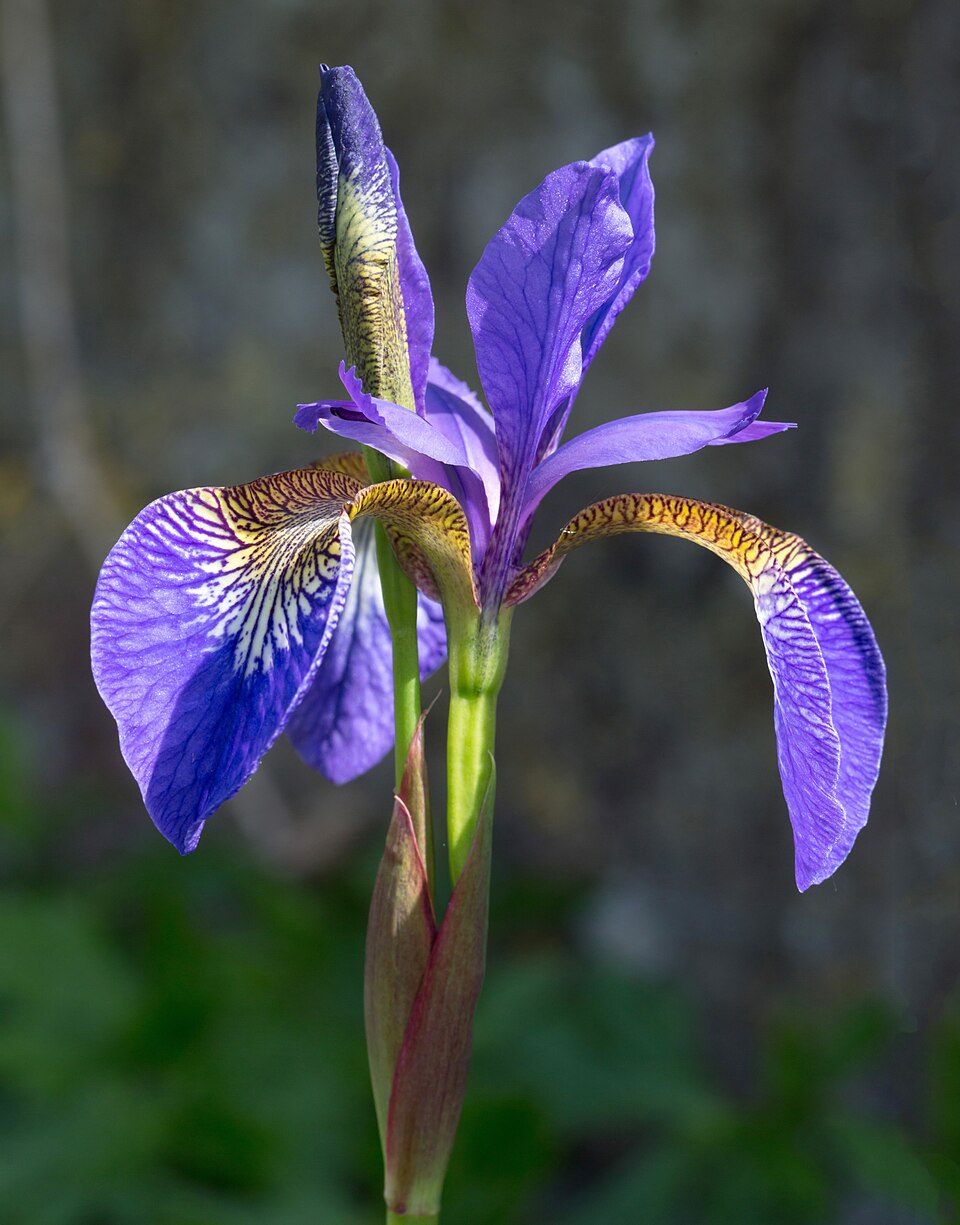
Iris (Iris spp.) is a common ornamental flower that is mildly to moderately toxic to cats. The rhizome, which is the thick underground stem, contains the highest amount of irritating compounds. Iris plants contain irisin, iridoid glycosides, and related compounds that can irritate the digestive tract. Leaves and petals can also cause symptoms, but the underground rhizome is usually the biggest risk during digging, repotting, or garden work. If a cat eats iris, possible signs include drooling, vomiting, diarrhea, belly pain, or low energy. Keep rhizomes and plant cuttings away from cats. Call a veterinarian if your cat eats the rhizome, symptoms repeat, or your cat seems very tired.
Important Notes
Toxic compounds: irisin (resinous glycoside), iridoid glycosides, pentacyclic terpenoids; rhizomes most concentrated
Mechanism: irisin and iridoid compounds cause direct GI irritation; skin contact with sap may cause dermatitis
Symptoms: drooling, vomiting, diarrhea, lethargy, abdominal pain; skin or eye contact with sap may cause redness or irritation
Rhizomes are the most hazardous part — risk increases during planting or dividing bulbs
Symptoms are usually mild with leaf nibbling; contact your vet if rhizome ingestion is suspected
Potentially Toxic Parts
Stem
Entire Plant
Leaf
Flower
Bulb
Possible Symptoms Reported in Cats
Vomiting, Nausea, and Diarrhea
Gastrointestinal · Not explicitly specified in the provided text (though general plant toxicity symptoms often appear a
Mouth Ulcers and Oral Irritation
Gastrointestinal · Acute (upon contact/ingestion).
Abdominal Pain
Gastrointestinal · Not explicitly specified.
Skin Irritation (Dermatitis)
Dermal · Not explicitly specified.
Disclaimer: This summary was compiled from multiple sources and is for informational use only. It is not a diagnosis or treatment plan. Toxicity can vary based on the substance, amount, plant part, and individual cat. If you think your cat may have been exposed to a toxic substance, contact a veterinarian right away.