
 ←
←
Hydrangea
Hydrangea spp.
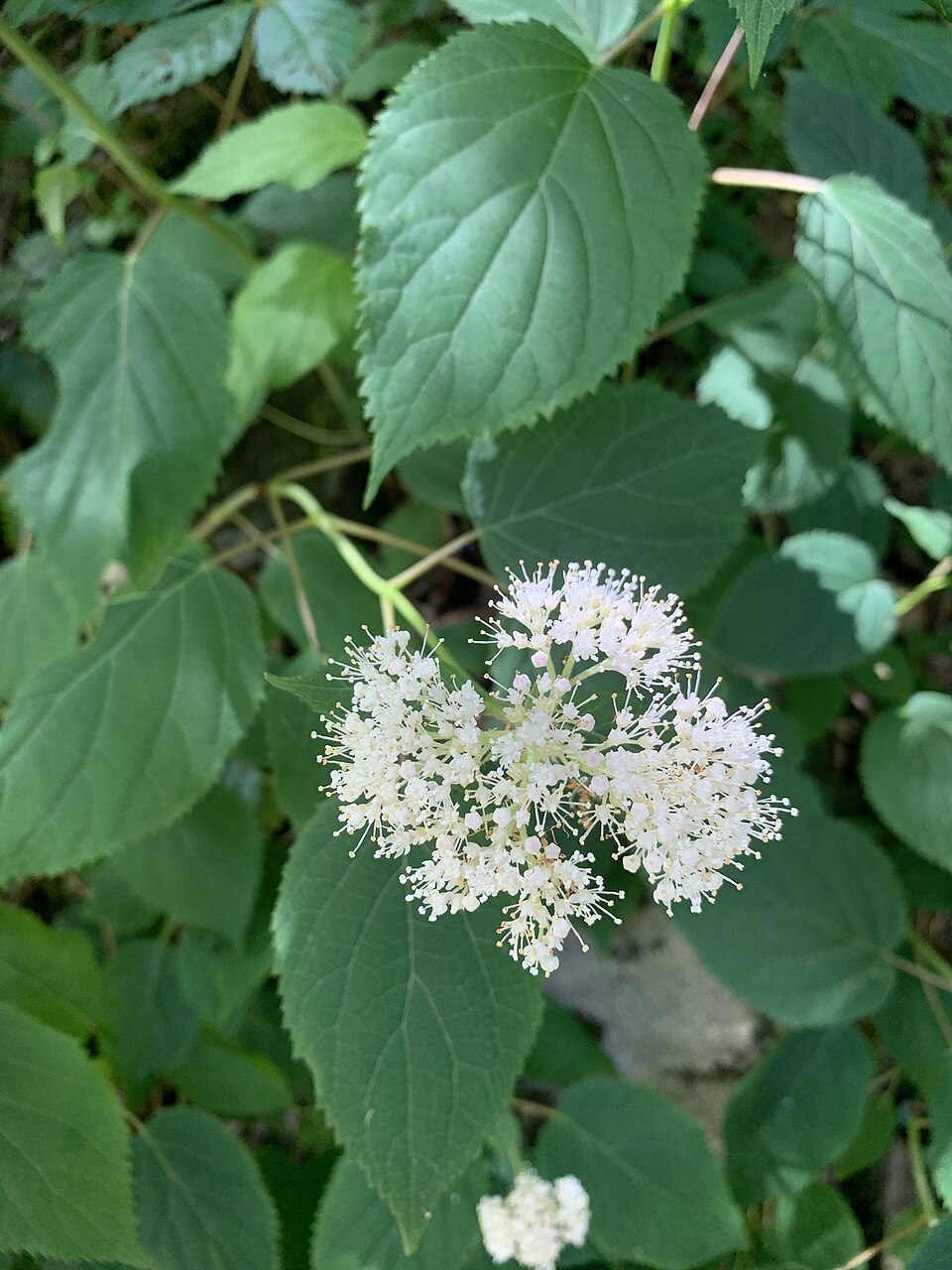
Hydrangea (Hydrangea spp.) is a popular flowering shrub that is toxic to cats. The leaves and flower buds are the main parts of concern, especially if a cat chews or eats them. Hydrangeas contain cyanogenic glycosides, including hydrangin. When these compounds are broken down, they can release small amounts of hydrogen cyanide. In most household cases, the bigger problem is stomach irritation, but large exposures can be more serious. A cat that eats hydrangea may vomit, have diarrhea, drool, or seem tired. Keep hydrangeas out of reach and clean up fallen leaves or flowers. Call a veterinarian if your cat eats the plant, symptoms repeat, or your cat seems weak or unusually sleepy.
Important Notes
Toxic compounds: cyanogenic glycosides (hydrangin) in flower buds and leaves; saponins throughout the plant
Mechanism: hydrangin yields HCN upon digestion, inhibiting cellular respiration; saponins cause direct GI irritation
Symptoms: vomiting, diarrhea, lethargy, drooling; large ingestion may cause weakness, confusion, and laboured breathing
Flower buds carry the highest cyanogenic concentration — restrict access during blooming
Symptoms are usually mild with minor nibbling; seek veterinary care if large amounts were consumed
Potentially Toxic Parts
Leaf
Entire Plant
Flower
Possible Symptoms Reported in Cats
Respiratory Distress (Dyspnea), Rapid Breathing (Tachypnea), or Seizures
Respiratory · Very Rapid (10–60 minutes after ingestion).
Vomiting
Gastrointestinal · Acute (Clinical signs typically appear quickly, potentially within hours).
Diarrhea
Gastrointestinal · Acute.
Lethargy / Depression / Exhaustion
Neurological · Acute.
Abdominal Pain
Gastrointestinal · Acute.
Disclaimer: This summary was compiled from multiple sources and is for informational use only. It is not a diagnosis or treatment plan. Toxicity can vary based on the substance, amount, plant part, and individual cat. If you think your cat may have been exposed to a toxic substance, contact a veterinarian right away.