 ←
←
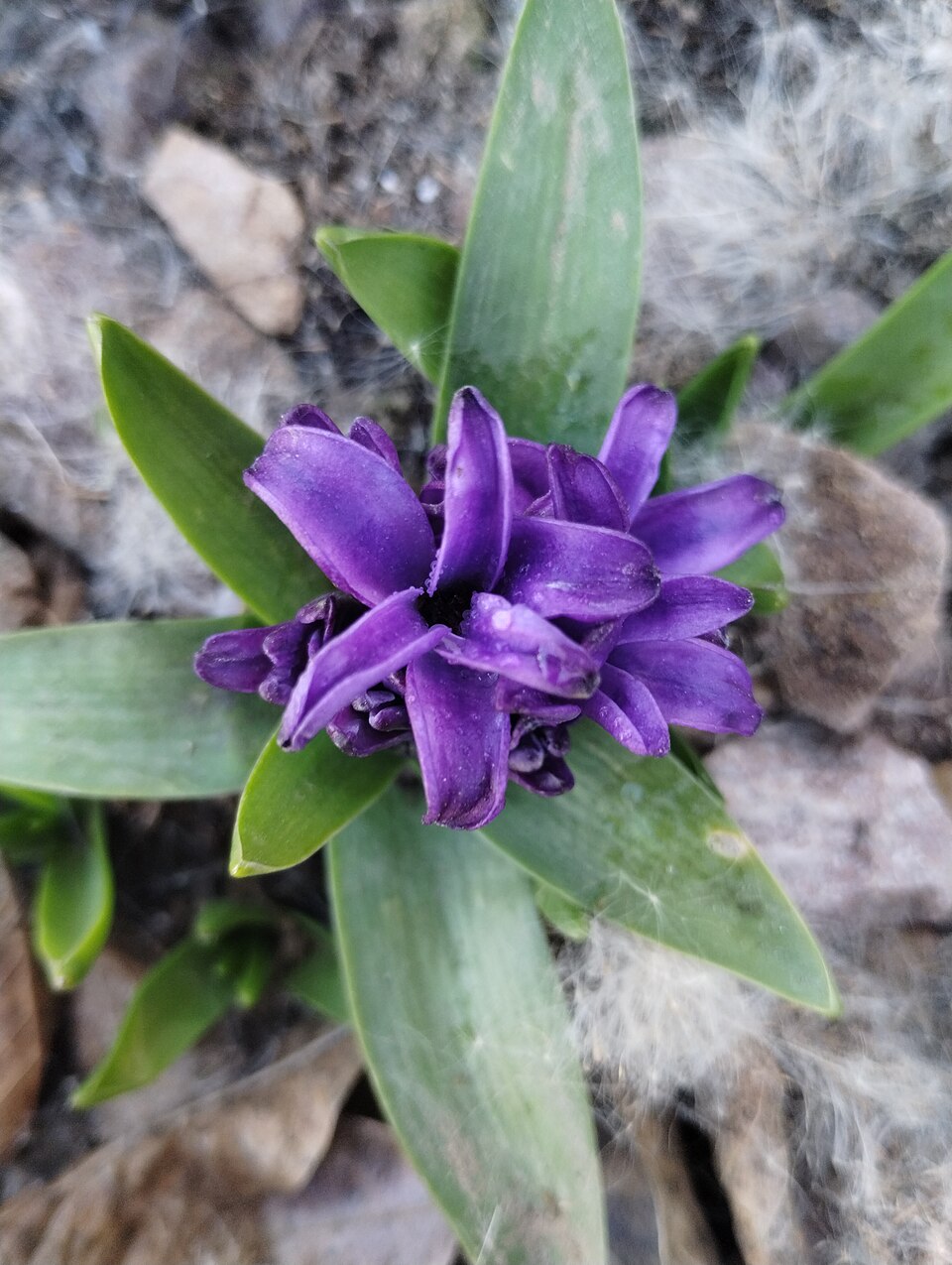
Hyacinth
Hyacinthus spp.
Hyacinth (Hyacinthus spp.) is a spring bulb plant that is toxic to cats. The bulb is the most dangerous part, but the leaves and flowers can also cause problems if chewed or eaten. Hyacinths contain alkaloids, including lycorine-like compounds, that can irritate the stomach and trigger vomiting. The plant can also contain calcium oxalate crystals, which add mouth and throat irritation when a cat bites it. A cat may drool, vomit, have diarrhea, paw at the mouth, or seem tired after exposure. Eating bulb pieces is more concerning than nibbling a leaf. Keep bulbs, potted hyacinths, and cut flowers away from cats, and call a veterinarian if your cat eats any part or shows repeated vomiting.
Important Notes
Toxic compounds: lycorine and phenanthridine alkaloids (highest in bulb), calcium oxalate crystals in sap
Mechanism: lycorine directly activates the brainstem emetic centre; at higher doses causes vasodilation and CNS depression
Symptoms: profuse vomiting, diarrhea, drooling, tremors; severe bulb ingestion may cause low blood pressure, rapid heart rate, or convulsions
Bulbs are the most dangerous part — particularly relevant during planting or when stored indoors
Contact your vet if your cat ingests any part of the plant, especially the bulb
Potentially Toxic Parts
Stem
Entire Plant
Pollen
Leaf
Flower
Bulb
Possible Symptoms Reported in Cats
Profuse Drooling, Vomiting, and Diarrhea
Gastrointestinal · Acute (Clinical signs typically appear quickly after ingestion).
Difficulty Breathing (Dyspnea) or Respiratory Depression
Respiratory · Variable (Associated with large ingestions or heavy exposure).
Increased Heart Rate (Tachycardia) or Arrhythmias
Cardiac · Delayed (Associated with systemic absorption after large ingestions).
Tremors or Depression
Neurological · Variable.
Mouth and Throat Irritation (Burns)
Gastrointestinal · Immediate (upon chewing).
Disclaimer: This summary was compiled from multiple sources and is for informational use only. It is not a diagnosis or treatment plan. Toxicity can vary based on the substance, amount, plant part, and individual cat. If you think your cat may have been exposed to a toxic substance, contact a veterinarian right away.