 ←
←
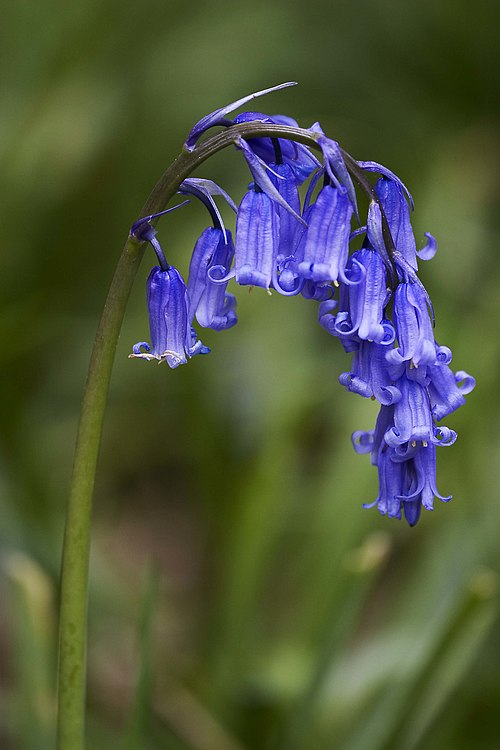
Bluebells
Hyacinthoides non-scripta
Bluebells (Hyacinthoides non-scripta and related species) are beloved spring wildflowers found in woodlands, gardens, and roadsides — environments where outdoor cats frequently roam. Despite their delicate appearance, all parts of the plant are toxic to cats. Bluebells contain scillaren and related cardiac glycoside-like compounds, as well as alkaloids, that interfere with the sodium-potassium pump in heart muscle cells, disrupting normal cardiac rhythm. The bulbs carry the highest toxin concentration, but the flowers, leaves, and sap are all hazardous.
Important Notes
Symptoms: Vomiting, diarrhea, lethargy, and reduced heart rate; larger exposures can cause abnormal heart rhythm, low blood pressure, and in severe cases convulsions or collapse.
Bulbs are most toxic: Cats that dig in garden beds may encounter bulbs. The sap from crushed stems is also irritating to skin and eyes.
Seasonal risk: Peak exposure is in spring when plants bloom and are most accessible. Seek veterinary advice promptly if ingestion is suspected.
Potentially Toxic Parts
Bulb
All parts of the plant
Possible Symptoms Reported in Cats
Reduced Heart Rate (Bradycardia)
Cardiac · Not specified in the provided sources.
Vomiting, Diarrhea, Drooling, and Stomach Pain
Gastrointestinal · Not specified in the provided sources.
Trembling and Lethargy
Neurological · Not specified in the provided sources.
Skin Irritation and Dermatitis
Dermal · Rapid (upon contact).
Disclaimer: This summary was compiled from multiple sources and is for informational use only. It is not a diagnosis or treatment plan. Toxicity can vary based on the substance, amount, plant part, and individual cat. If you think your cat may have been exposed to a toxic substance, contact a veterinarian right away.