
 ←
←
Honeysuckle
Lonicera spp.
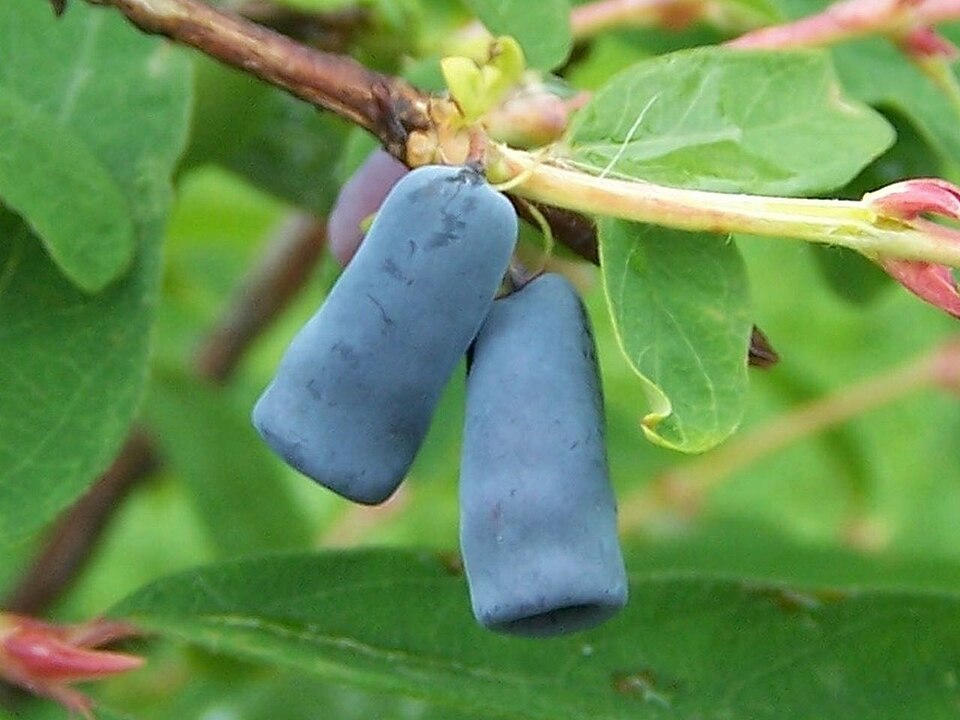
Honeysuckle (Lonicera spp.) is a common garden vine or shrub. Some parts, especially the berries, can be mildly toxic to cats if eaten. The plant may contain saponins and, in some species, compounds that can release small amounts of cyanide-like chemicals. Cats usually do not eat large amounts, but berries can be easier to swallow than leaves or stems. A cat that eats honeysuckle berries or leaves may vomit, have diarrhea, drool, or seem uncomfortable. Keep fallen berries cleaned up and do not let cats chew the plant. Contact a veterinarian if your cat eats a large amount, symptoms repeat, or your cat seems weak.
Important Notes
Toxic compounds: saponins and trace cyanogenic glycosides in berries; leaves carry lower concentrations
Mechanism: saponins disrupt the GI lining; cyanogenic compounds may contribute mild systemic effects at higher doses
Symptoms: vomiting, diarrhea, drooling, lethargy; typically mild and self-limiting
Berries are the highest-risk part — the attractive red or black berries may appeal to curious cats
Symptoms are usually mild; contact your vet if your cat ingests a significant number of berries
Potentially Toxic Parts
Leaf
Flower
Fruit
Possible Symptoms Reported in Cats
Difficulty Breathing (Dyspnea), Panting, or Rapid Heart Rate
Respiratory · Not specified.
Vomiting and Diarrhea
Gastrointestinal · Not specified in the provided text (typically acute).
Behavioral Reaction (Euphoria)
Neurological · Immediate.
Inflammation around the mouth, Drooling, or Itchiness
Dermal · Not specified.
Disclaimer: This summary was compiled from multiple sources and is for informational use only. It is not a diagnosis or treatment plan. Toxicity can vary based on the substance, amount, plant part, and individual cat. If you think your cat may have been exposed to a toxic substance, contact a veterinarian right away.