
 ←
←
English Ivy
Hedera spp.
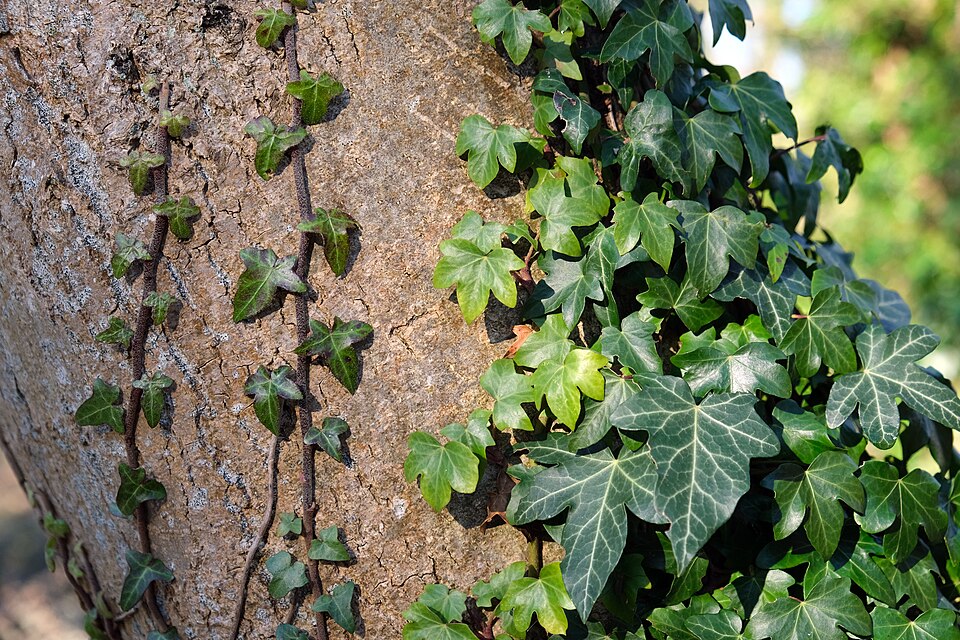
English Ivy (Hedera helix and related Hedera plants) is a climbing vine often grown indoors, in hanging baskets, or on outdoor walls. It is toxic to cats if chewed or eaten. The leaves are the main concern, and berries are also unsafe. The plant contains triterpenoid saponins, including hederagenin, plus other irritating compounds. In plain terms, these chemicals can irritate the mouth and stomach, leading to drooling, vomiting, diarrhea, and belly pain. Some cats or people may also get skin irritation after repeated contact with the leaves or sap. Most cases involve stomach upset, but a larger amount can cause weakness, wobbliness, or tremors. Keep indoor ivy and cuttings out of reach, and do not let cats chew ivy-covered walls or garden vines. If your cat bites or eats English ivy, remove the plant material and call a veterinarian for advice.
Important Notes
Main risk: English ivy leaves contain triterpenoid saponins that irritate the mouth and stomach.
Symptoms: Drooling, vomiting, diarrhea, belly pain, and sometimes skin irritation after contact.
Higher concern: A larger amount may cause weakness, wobbliness, or tremors.
Action: Keep ivy plants and cuttings away from cats and call a vet if chewing or ingestion occurs.
Potentially Toxic Parts
Leaf
Fruit
Possible Symptoms Reported in Cats
Vomiting, diarrhea, or belly pain
Gastrointestinal · Usually soon after chewing or eating the plant.
Weakness, wobbliness, or tremors
Neurological · Uncommon, but possible after larger ingestion.
Drooling or mouth irritation
Gastrointestinal · Often begins while chewing or shortly afterward.
Skin redness or itchiness after contact
Dermal · After contact, especially in sensitive cats.
Disclaimer: This summary was compiled from multiple sources and is for informational use only. It is not a diagnosis or treatment plan. Toxicity can vary based on the substance, amount, plant part, and individual cat. If you think your cat may have been exposed to a toxic substance, contact a veterinarian right away.