 ←
←
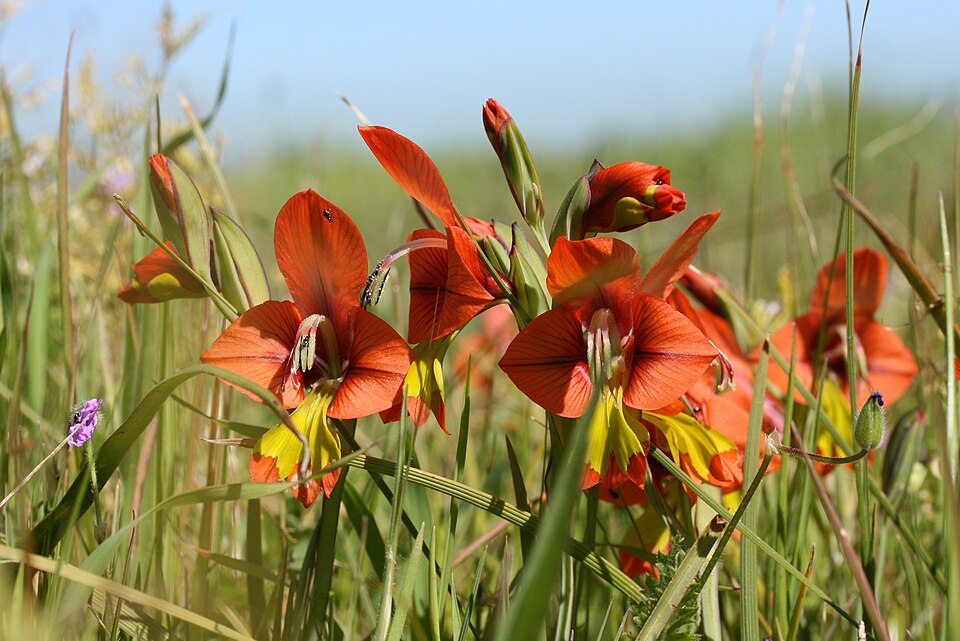
Gladioli / Sword Lily
Gladiolus spp.
Gladiolus (Gladiolus spp.), also called sword lily, is a tall garden flower often grown from underground corms. It can make cats sick if they chew or eat it, and the corms are the highest-risk part. The exact toxic compounds have not been fully identified, but the plant mainly acts as a digestive irritant. In simple terms, it can upset the stomach and intestines. Sap or plant juices may also irritate the skin in some cats. Possible signs include drooling, vomiting, diarrhea, belly pain, low energy, and loss of appetite. The greatest risk is during planting or storage, when cats may find loose corms. Keep gladiolus plants and stored corms away from cats, and call a veterinarian if your cat eats any part or has repeated vomiting or tiredness.
Important Notes
Main hazard: Unidentified irritant compounds are most concentrated in the underground corms.
Symptoms: Drooling, vomiting, diarrhea, belly pain, lethargy, or loss of appetite.
Highest-risk part: Corms are more concerning than flowers or leaves, especially during planting and storage.
Action: Keep plants and loose corms away from cats, and call a vet after ingestion or repeated vomiting.
Potentially Toxic Parts
Leaf
Bulb
Flower
Possible Symptoms Reported in Cats
Vomiting and Diarrhea (Gastrointestinal Upset)
Gastrointestinal · Acute (Typically within a few hours of ingestion).
Lethargy
Neurological · Acute (Accompanying gastrointestinal symptoms).
Abdominal Pain
Gastrointestinal · Acute.
Drooling / Salivation
Gastrointestinal · Acute (Immediate to shortly after chewing/ingestion).
Disclaimer: This summary was compiled from multiple sources and is for informational use only. It is not a diagnosis or treatment plan. Toxicity can vary based on the substance, amount, plant part, and individual cat. If you think your cat may have been exposed to a toxic substance, contact a veterinarian right away.