
 ←
←
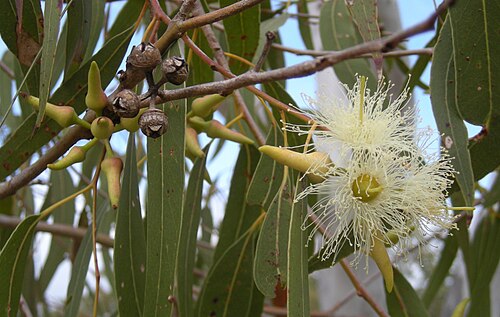
Eucalyptus
Eucalyptus spp.
Eucalyptus (Eucalyptus spp.) includes aromatic trees and shrubs often used as fresh stems, dried decor, or essential oil products. It is toxic to cats, and concentrated eucalyptus oil is the biggest concern. The main danger comes from essential oils, especially eucalyptol (1,8-cineole) and related terpene compounds. Cats do not process these oils efficiently, so exposure can irritate the stomach, skin, and airways and may also affect the nervous system. Eating leaves is a risk, but licking oil from fur or breathing concentrated diffuser mist can be more serious. Possible signs include drooling, vomiting, diarrhea, weakness, low energy, an unsteady walk, coughing, or trouble breathing. Severe oil exposure can lead to tremors, seizures, or liver stress. Keep eucalyptus plants, dried stems, oils, sprays, and diffusers away from cats. If oil gets on your cat's fur or your cat eats eucalyptus, contact a veterinarian promptly.
Important Notes
Main hazard: Eucalyptol and other essential oil compounds can irritate the stomach, skin, airways, and nervous system.
Symptoms: Drooling, vomiting, diarrhea, weakness, lethargy, unsteady walking, coughing, or trouble breathing.
Highest-risk forms: Essential oils, diffusers, sprays, and oil on the fur are more concerning than a small nibble of dried plant material.
Action: Keep eucalyptus products away from cats and call a vet promptly after ingestion, oil contact, or breathing symptoms.
Potentially Toxic Parts
Leaf
Stem
Bark
Essential Oil
Possible Symptoms Reported in Cats
Low energy, weakness, unsteady walking, tremors, or seizures
Neurological · Can appear after larger ingestion or concentrated oil exposure.
Coughing, wheezing, or trouble breathing
Respiratory · Can occur quickly with diffuser mist, sprays, or aspiration during vomiting.
Drooling, vomiting, or diarrhea
Gastrointestinal · Often begins soon after ingestion or oil contact.
Skin redness or soreness after oil contact
Dermal · Soon after direct contact with oil or sap.
Disclaimer: This summary was compiled from multiple sources and is for informational use only. It is not a diagnosis or treatment plan. Toxicity can vary based on the substance, amount, plant part, and individual cat. If you think your cat may have been exposed to a toxic substance, contact a veterinarian right away.