
 ←
←
Corn Plant
Dracaena fragrans
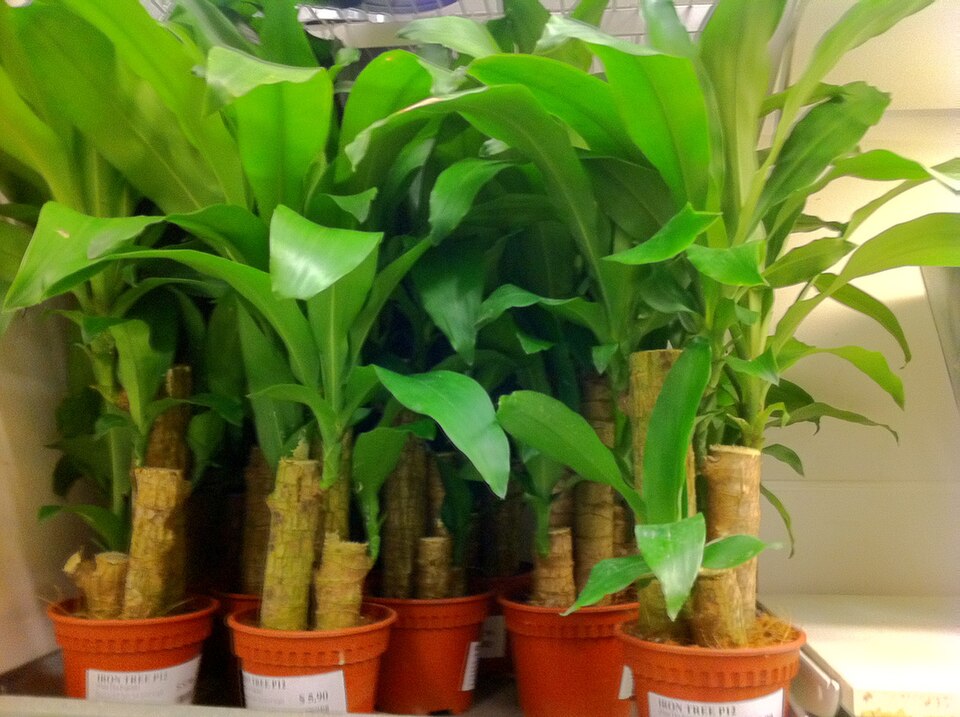
Corn plant (Dracaena fragrans), also known as fragrant dracaena, is one of the most common office and indoor houseplants. Although it may look like an ordinary decorative plant, it is not safe for cats and is a common cause of plant-related poisoning. The main concern is a group of natural plant compounds called steroidal saponins. These compounds help protect the plant, but when a cat eats them, they can irritate the digestive system and may also affect the nervous system. The exact way they cause poisoning in cats is not fully understood, but ingestion is known to cause a recognizable set of signs. If a cat chews the leaves or stems of a corn plant and is exposed to the plant sap, it may develop drooling, vomiting, loss of appetite, low energy, or other signs of stomach upset. Some cats may also show enlarged pupils, poor coordination, or unusual behavior. The sap in the leaves and stems is the main source of concern. Homes with cats should avoid keeping corn plants, or place them somewhere the cat truly cannot reach. If your cat has chewed the plant or shows symptoms, contact a veterinarian promptly.
Important Notes
Symptoms: Vomiting (sometimes with blood or foam), loss of appetite, excessive drooling, dilated pupils, and lethargy; depression and weakness in more significant exposures.
Dilated pupils are a distinguishing sign: This neurological effect distinguishes Dracaena toxicity from simple GI irritation and warrants veterinary evaluation.
Action: Contact a vet if vomiting is prolonged or if dilated pupils appear. Keep the plant out of reach — its widely available nature makes it a disproportionately common source of exposure.
Potentially Toxic Parts
Leaf
Entire Plant
Possible Symptoms Reported in Cats
Vomiting (Hematemesis)
Gastrointestinal
Dilated Pupils (Mydriasis)
Neurological
Drooling (Hypersalivation)
Gastrointestinal
Depression and Depression-like behavior
Neurological
Incoordination (Ataxia) and Weakness
Neurological
Disclaimer: This summary was compiled from multiple sources and is for informational use only. It is not a diagnosis or treatment plan. Toxicity can vary based on the substance, amount, plant part, and individual cat. If you think your cat may have been exposed to a toxic substance, contact a veterinarian right away.