
 ←
←
Foxglove
Digitalis purpurea
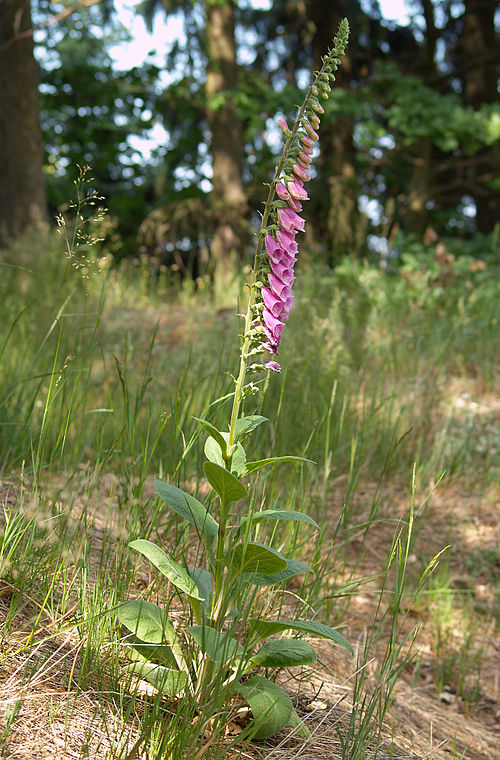
Foxglove (Digitalis purpurea) is a tall flowering plant with bell-shaped blooms. It is highly toxic to cats. Every part of the plant is dangerous, whether fresh or dried, including leaves, flowers, seeds, and roots. Foxglove contains cardiac glycosides, including digitalis-like compounds. These chemicals act directly on the heart. In small, carefully controlled medical doses, related compounds can be used as heart medicine, but the gap between a useful dose and a dangerous dose is very small. For a cat, chewing plant material can quickly become serious. Early signs may include drooling, vomiting, diarrhea, weakness, or low energy. More serious signs include a slow or irregular heartbeat, collapse, seizures, or sudden death. Do not wait for symptoms if your cat may have eaten foxglove. Remove access and contact a veterinarian or pet poison helpline immediately.
Important Notes
Main hazard: Cardiac glycosides can disrupt the heart rhythm and may be life-threatening.
Toxic parts: All parts are dangerous, including dried leaves or flowers in arrangements.
Symptoms: Vomiting, diarrhea, weakness, slow or irregular heartbeat, collapse, seizures, or sudden death.
Action: Suspected ingestion is an emergency. Call a vet or poison helpline immediately.
Potentially Toxic Parts
All parts of the plant
Leaf
Flower
Seed
Root
Possible Symptoms Reported in Cats
Slow heartbeat, irregular heartbeat, seizures, or sudden death
Cardiac · Can develop quickly and may occur before many warning signs.
Weakness, low energy, or collapse
Cardiac · Can occur as the heart is affected.
Vomiting, diarrhea, drooling, or belly pain
Gastrointestinal · Can begin within hours of ingestion.
Disclaimer: This summary was compiled from multiple sources and is for informational use only. It is not a diagnosis or treatment plan. Toxicity can vary based on the substance, amount, plant part, and individual cat. If you think your cat may have been exposed to a toxic substance, contact a veterinarian right away.