
 ←
←
Carnation
Dianthus caryophyllus
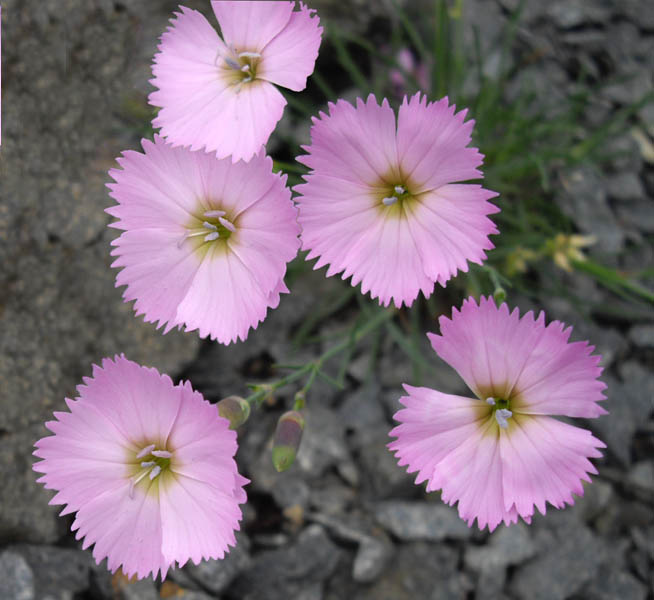
Carnations (Dianthus caryophyllus) are popular cut flowers and garden plants used in bouquets and floral arrangements worldwide. They are mildly toxic to cats. The specific toxic compound has not been identified; authorities classify the toxic principle as an unknown irritant whose exact mechanism is not fully characterised, but which causes predictable gastrointestinal symptoms. Because carnations appear so frequently in bouquets and as houseplants, they represent a common — if mild — exposure risk for curious cats.
Important Notes
Symptoms: Drooling, vomiting, diarrhea, and mild abdominal discomfort; dermatitis (skin irritation) can occur if a cat repeatedly rubs against the plant.
Flowers and leaves: All parts of the plant are mildly toxic; symptoms are typically self-limiting and resolve without treatment.
Action: Monitor the cat after exposure. Contact a vet if vomiting is persistent or severe, or if the cat seems unusually lethargic.
Potentially Toxic Parts
Flower
Possible Symptoms Reported in Cats
Vomiting and Diarrhea
Gastrointestinal
Dermatological symptoms (Skin irritation)
Dermal
Disclaimer: This summary was compiled from multiple sources and is for informational use only. It is not a diagnosis or treatment plan. Toxicity can vary based on the substance, amount, plant part, and individual cat. If you think your cat may have been exposed to a toxic substance, contact a veterinarian right away.