
 ←
←
Crocus
Crocus vernus
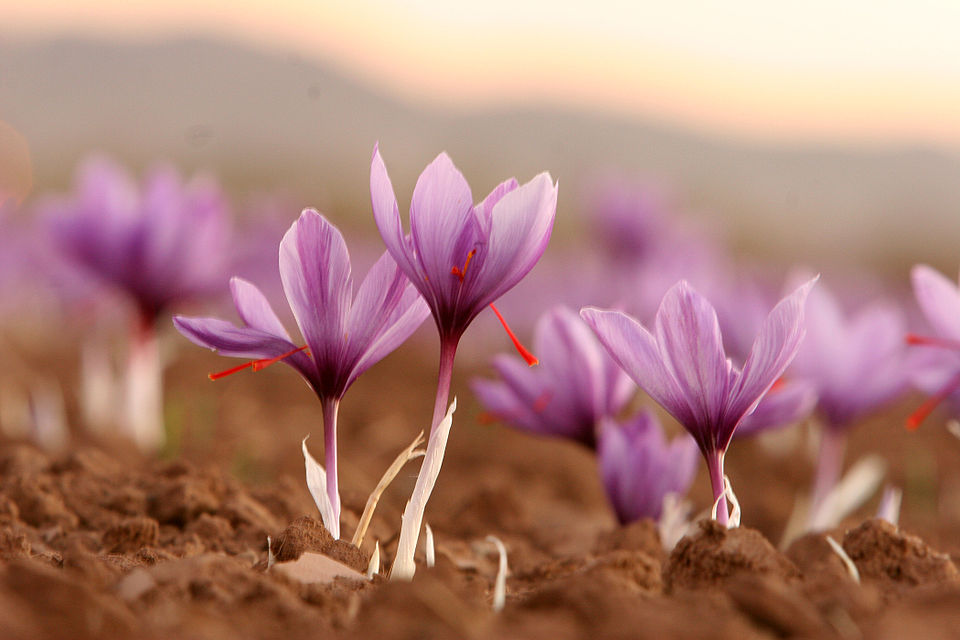
Spring crocus (Crocus spp.) is a common early-spring bulb flower often grown in gardens or pots. It is toxic to cats, but it is usually far less dangerous than autumn crocus (Colchicum autumnale), which is often confused with it. It is also important to note that spring crocus is not the same as saffron, the crocus used in traditional medicine, spices, or seasoning. They are used differently and should not be treated as the same plant. If you are not sure whether your cat ate spring crocus or autumn crocus, treat the situation as a veterinary emergency. Spring crocus does not contain colchicine. Colchicine is the dangerous toxin found in autumn crocus (Colchicum autumnale), an unrelated plant. Spring crocus contains milder irritant compounds, so ingestion more often causes digestive upset rather than the severe, body-wide poisoning seen with autumn crocus. Autumn crocus is much more dangerous and can lead to serious illness involving multiple organs. If a cat eats spring crocus, possible signs include drooling, vomiting, diarrhea, loss of appetite, and low energy. The bulb, leaves, and flowers should all be kept away from cats. Do not place spring crocus where a cat can chew it. If you are certain your cat ate only a small amount of spring crocus, contact a veterinarian for advice; if you are unsure of the plant species, or if your cat shows repeated vomiting, diarrhea, weakness, or other concerning signs, seek veterinary care right away and bring a photo or sample of the plant if possible.
Important Notes
Symptoms: Drooling, vomiting, diarrhea, and abdominal pain are the most common signs; symptoms are usually self-limiting.
Do not confuse with Autumn Crocus: Colchicum autumnale (the Autumn Crocus) is far more dangerous and can cause bone marrow suppression, kidney failure, and death. If the species is uncertain, seek emergency veterinary care.
Keep all parts away from cats: Any part of the plant may cause gastrointestinal upset. Cats that dig in garden beds may encounter and chew on bulbs.
Potentially Toxic Parts
Leaf
Bulb
Flower
Possible Symptoms Reported in Cats
Vomiting and Diarrhea (General gastrointestinal upset)
Gastrointestinal
Drooling (hypersalivation)
Gastrointestinal
Disclaimer: This summary was compiled from multiple sources and is for informational use only. It is not a diagnosis or treatment plan. Toxicity can vary based on the substance, amount, plant part, and individual cat. If you think your cat may have been exposed to a toxic substance, contact a veterinarian right away.