
 ←
←
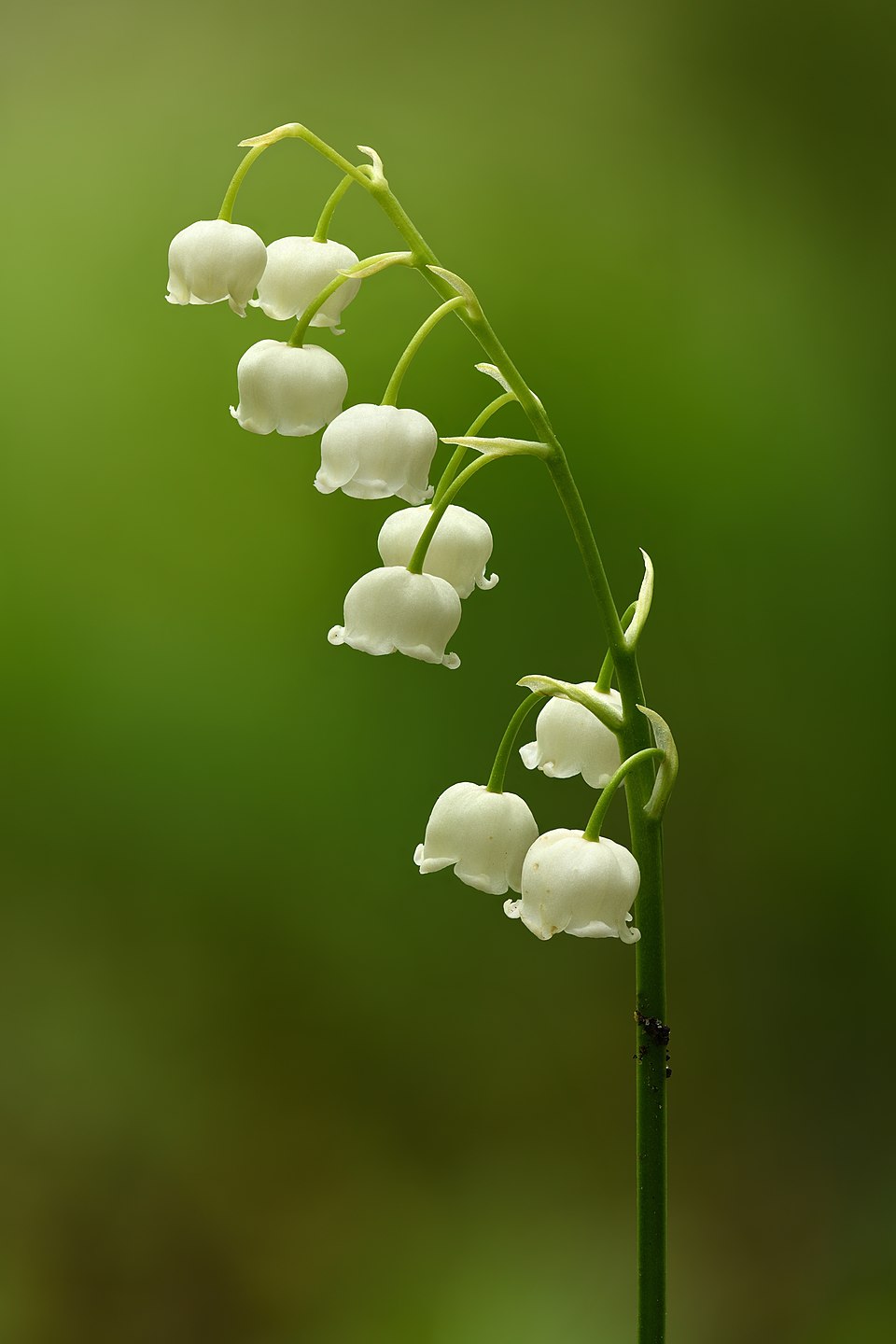
Lily of the Valley
Convallaria majalis
Lily of the Valley (Convallaria majalis) is one of the most dangerous plants you can have around cats. Even though it looks small and delicate, every single part of the plant—including the flowers, leaves, roots, and berries—is highly toxic. Even the water in a vase holding cut flowers becomes poisonous. The plant contains strong poisons called cardiac glycosides. These toxins directly attack the heart muscle, changing how the heart beats and causing dangerous, irregular heart rhythms. It also contains compounds that severely bother the stomach and intestines. Unlike true lilies, it does not cause kidney failure, but it is just as deadly. Even a tiny bite can cause severe issues. A poisoned cat may suddenly vomit, have stomach pain or bloody diarrhea, and drool heavily. As the heart is affected, the cat's heart rate may drop dangerously low, and they may show extreme weakness, trembling, or seizures. Any bite is a life-threatening emergency. Please immediately contact a veterinarian or emergency animal hospital.
Important Notes
Toxic compounds: convallatoxin, convalloside, and 30+ related cardiac glycosides; highest in flowers and berries
Mechanism: cardiac glycosides inhibit Na+/K+-ATPase in heart muscle, disrupting electrical conduction and causing severe arrhythmias
Symptoms: vomiting, drooling, bradycardia (dangerously slow heart rate), hypotension, cardiac arrhythmias, weakness, collapse; can be fatal
All plant parts are hazardous — even the water in a flower vase can cause toxicity
Any ingestion is a veterinary emergency; do not wait for symptoms to develop
Potentially Toxic Parts
Root
Entire Plant
Flower
Possible Symptoms Reported in Cats
Bradycardia (a sudden, significant decrease in heart rate) and severe cardiac arrhythmias (such as Atrioventricular or AV block)
Cardiac · Variable latent period depending on the dose;
Vomiting, diarrhea (which may contain blood), abdominal pain/discomfort, and trembling
Gastrointestinal · Variable latent period depending on the dose;
Seizures and tremors
Gastrointestinal · Variable; usually develops as the cardiovascular depression worsens
Disclaimer: This summary was compiled from multiple sources and is for informational use only. It is not a diagnosis or treatment plan. Toxicity can vary based on the substance, amount, plant part, and individual cat. If you think your cat may have been exposed to a toxic substance, contact a veterinarian right away.