
 ←
←
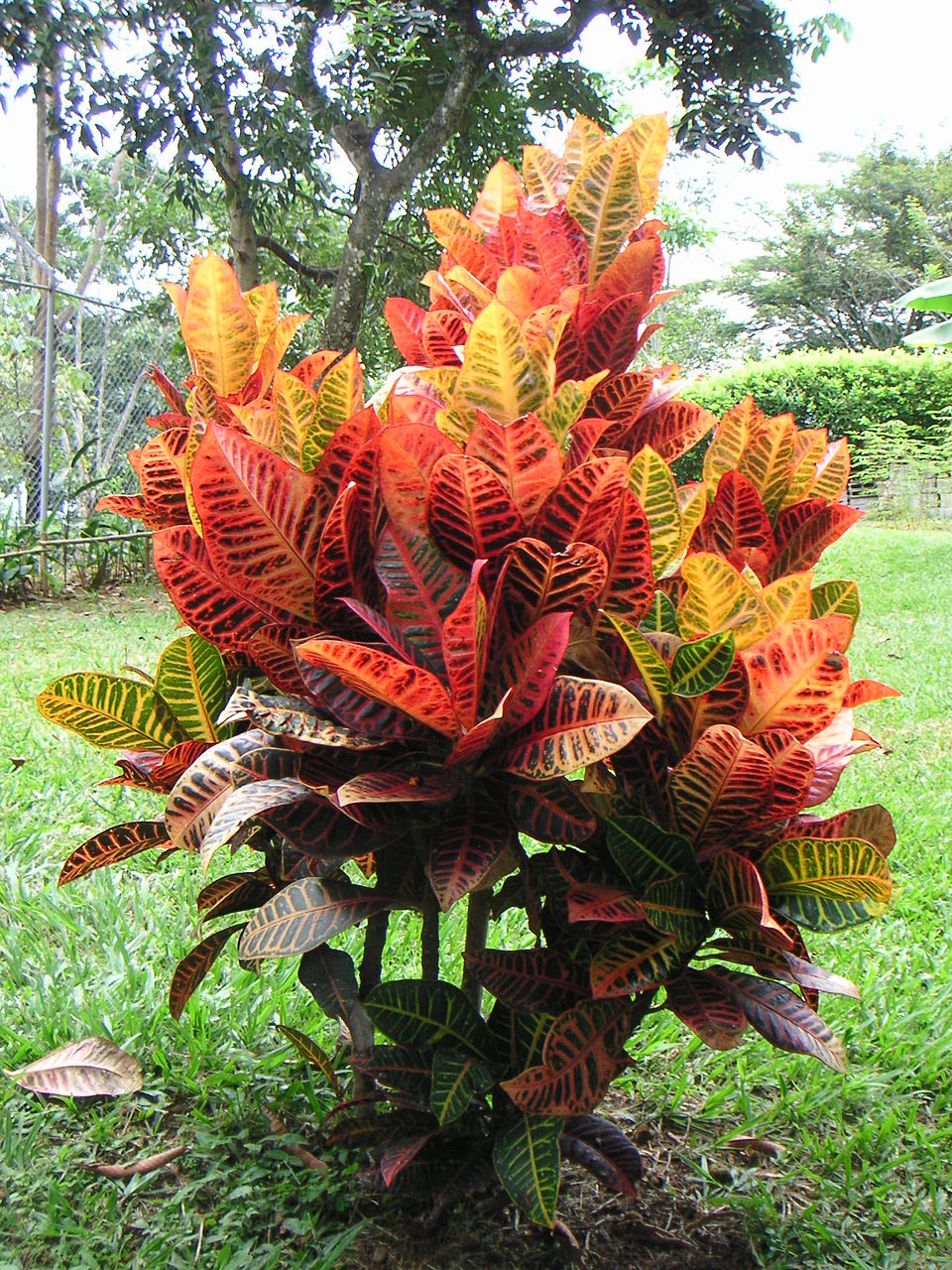
Croton
Codiaeum variegatum
Croton (Codiaeum variegatum) is a popular ornamental shrub known for its brightly colored, patterned leaves. It is often grown in gardens or kept as an indoor potted plant. However, croton is not safe for cats, and cats should not be allowed to chew it or come into contact with its sap. The main danger comes from the milky sap released when the plant is damaged. This sap contains strong irritants, including diterpene esters related to phorbol esters. In simple terms, these compounds can strongly irritate the skin, eyes, mouth, and other sensitive tissues, causing pain, redness, swelling, and inflammation. The seeds may also contain protein-based toxins, so cats should not chew or swallow them. If a cat eats croton, possible signs include drooling, vomiting, diarrhea, loss of appetite, mouth pain, and low energy. If the sap touches the skin or eyes, irritation can develop quickly, with redness, tearing, squinting, pawing at the face, or signs of pain. The leaves, stems, sap, and seeds should all be kept away from cats. Homes with cats should avoid keeping croton, or place it somewhere the cat truly cannot reach.
Important Notes
Symptoms: Drooling, vomiting, severe diarrhea, and abdominal pain from ingestion; skin redness, blistering, and eye pain from sap contact.
Sap is the immediate hazard: The milky sap is released whenever a leaf or stem is broken. Cats that chew on leaves receive both the sap and the leaf tissue.
Action: Rinse skin or eyes thoroughly with water if sap contact occurs. Seek veterinary care if a cat has ingested any part of the plant or if eye symptoms develop.
Potentially Toxic Parts
Sap
Leaf
seed
Possible Symptoms Reported in Cats
Mouth irritation (burning sensation in mouth, tongue, and lips)
Gastrointestinal · Immediate (upon chewing or contact).
Drooling (Hypersalivation)
Gastrointestinal · Rapid (following oral irritation).
Vomiting
Gastrointestinal · Shortly after ingestion.
Diarrhea
Gastrointestinal · Delayed (as plant material moves through the GI tract).
Anorexia (Refusal to eat)
Gastrointestinal · Following oral pain or nausea.
Skin Irritation (Dermatitis/Rash)
Dermal · Upon direct contact.
Disclaimer: This summary was compiled from multiple sources and is for informational use only. It is not a diagnosis or treatment plan. Toxicity can vary based on the substance, amount, plant part, and individual cat. If you think your cat may have been exposed to a toxic substance, contact a veterinarian right away.