
 ←
←
Mountain Mahogany
Cercocarpus spp.
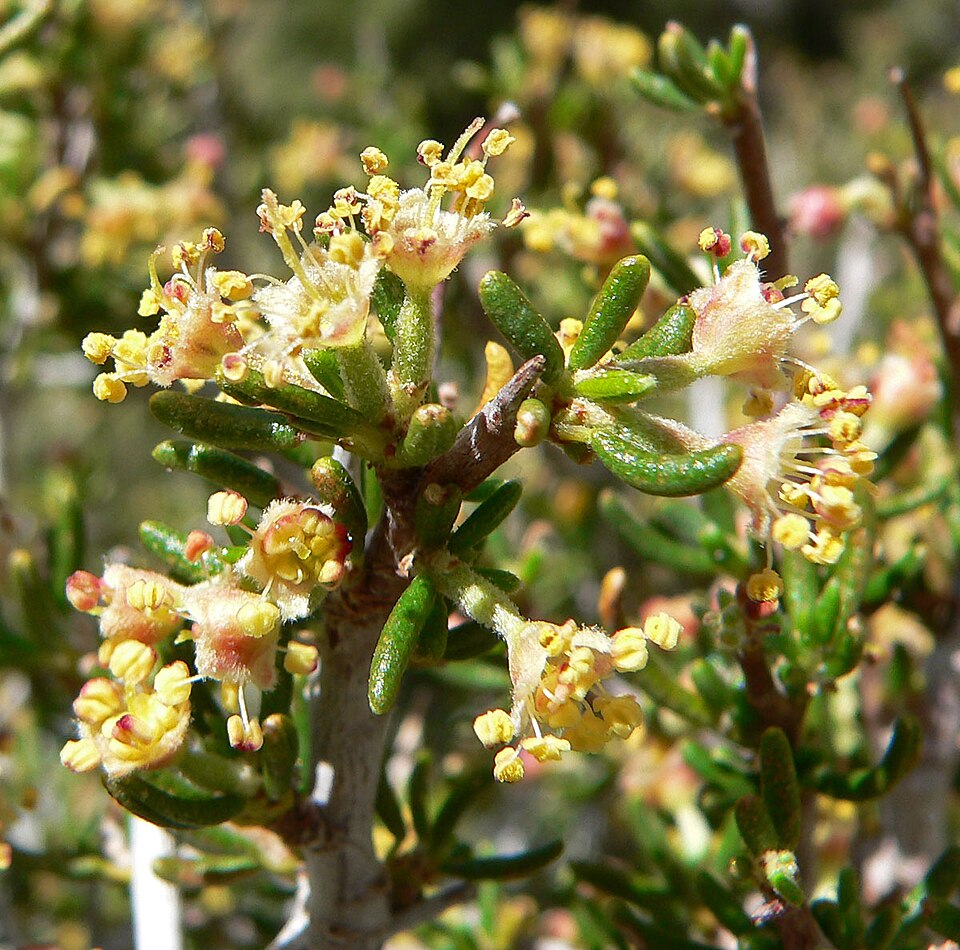
Mountain Mahogany (Cercocarpus spp.) is a wild desert and mountain shrub or small tree, not a houseplant. Its leaves contain compounds called cyanogenic glycosides, so it can release cyanide if a cat chews and swallows enough of the plant. It is not listed by the ASPCA, Pet Poison Helpline, or other cat-specific poison authorities, and documented poisonings are in grazing livestock rather than cats; toxin levels are usually below the dangerous range, so a cat encountering this plant is unlikely. Treat it with caution rather than as a confirmed everyday hazard. When a plant part is chewed or crushed, the cyanogenic glycosides break down and release cyanide, which stops the body's cells from using oxygen. Wilted or dried leaves can release the poison more readily than fresh ones. A seed swallowed whole without chewing may not release the toxin, but chewing it is the hazard. If a large enough amount is chewed and swallowed, signs can appear quickly: rapid breathing or gasping for air, unusually bright red gums (which may later turn bluish), heavy drooling, or wide pupils, and in severe cases seizures or loss of consciousness. Acute cyanide poisoning is life-threatening, so if you suspect your cat chewed and swallowed part of this plant, contact a veterinarian or emergency animal hospital right away.
Important Notes
Toxic compounds: cyanogenic glycosides; wilted leaves most dangerous
Mechanism: cyanogenic glycosides release HCN via beta-glucosidase, inhibiting cytochrome c oxidase and halting cellular respiration
Not listed by ASPCA or Pet Poison Helpline for cats; documented poisonings are in grazing livestock, and toxin levels are usually below the dangerous range
Symptoms (if a toxic dose is chewed and swallowed): rapid breathing, weakness, dilated pupils, drooling; severe cases cause seizures, coma, and respiratory failure
Wilted or fallen leaves pose a higher risk than fresh leaves due to accelerated cyanogenic conversion
Seek veterinary care immediately if a large ingestion is suspected — acute cyanide toxicity can progress within minutes
Potentially Toxic Parts
Leaf
Seed
Possible Symptoms Reported in Cats
Shock, seizures (convulsions), loss of consciousness, and coma
Neurological · Within minutes to hours
Respiratory distress (panting, gasping for breath, or labored breathing)
Respiratory · Within minutes to hours
Unusually red or pink gums (bright red mucous membranes)
Hematological · Within minutes to hours
Dilated pupils
Neurological · Within minutes to hours
Excessive drooling (hypersalivation)
Gastrointestinal · Within minutes to hours
Disclaimer: This summary was compiled from multiple sources and is for informational use only. It is not a diagnosis or treatment plan. Toxicity can vary based on the substance, amount, plant part, and individual cat. If you think your cat may have been exposed to a toxic substance, contact a veterinarian right away.