
 ←
←
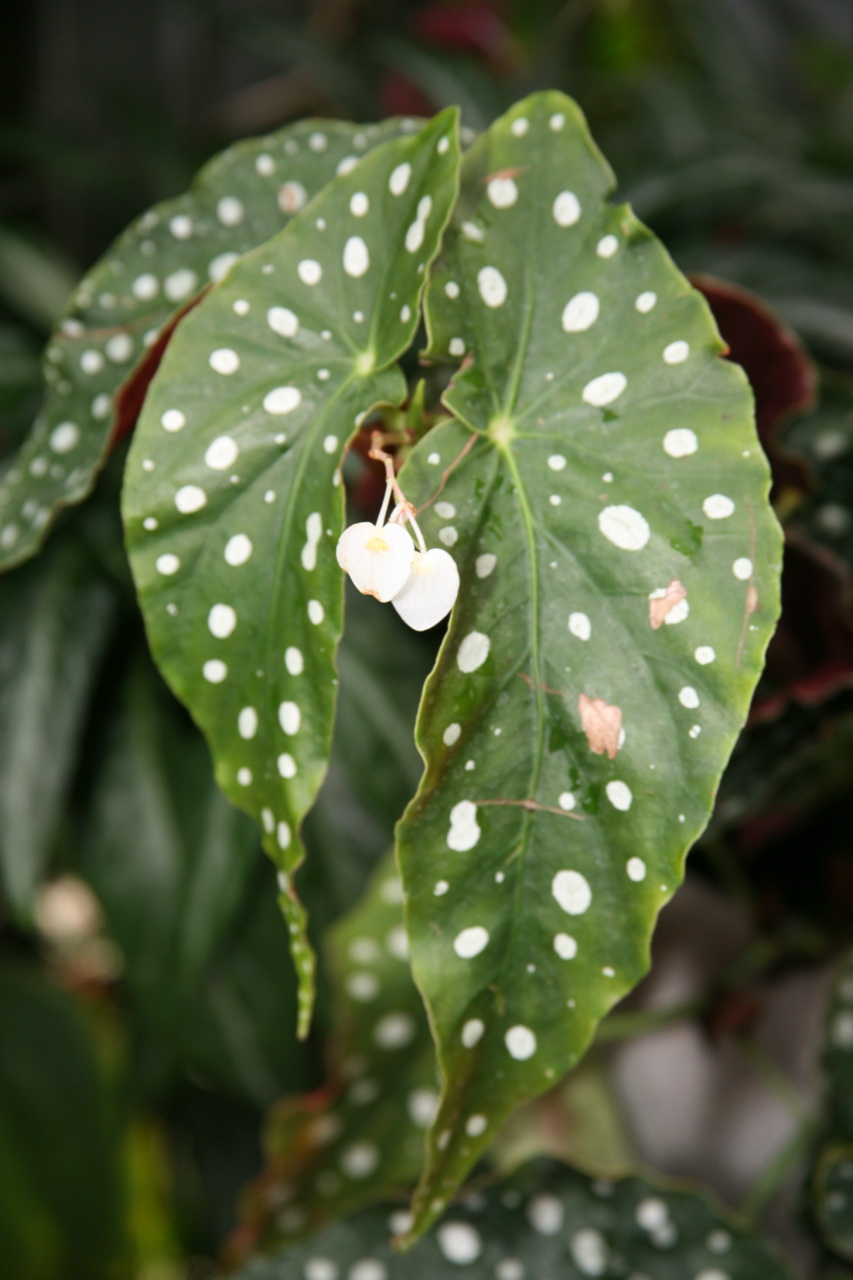
Polka Dot Begonia
Begonia maculata
Polka Dot Begonia (Begonia maculata) is an attractive houseplant known for its silver-spotted leaves, but it is toxic to cats. The plant contains soluble calcium oxalates, with the highest concentration hidden underground in the roots and tubers. The leaves and trailing stems also carry these toxins, though in lower amounts. When a cat bites into the plant, the oxalates act as an immediate chemical irritant. This causes an intense burning sensation in the mouth and throat. Because the pain happens right away, most cats will stop chewing before they swallow a dangerous amount. Systemic effects after eating large amounts of root are uncommon in cats; when they do occur, they involve the kidneys (reported mainly in grazing animals), not the liver. Common signs of exposure include heavy drooling, redness around the mouth, vomiting, and difficulty swallowing. Symptoms from just chewing a leaf are usually mild. Keep this plant out of reach, and contact a veterinarian if your cat eats the roots or if their mouth discomfort does not improve.
Important Notes
Toxic compounds: soluble calcium oxalates; tubers and roots most concentrated; leaves carry lower levels
Mechanism: soluble oxalates irritate the gastrointestinal lining and, in large quantities, may contribute to kidney crystal formation
Symptoms: vomiting, drooling, and GI upset from leaf ingestion; more severe GI symptoms if tubers are chewed
Decorative aspects (trailing stems, spotted leaves) may attract cats — keep out of reach
Symptoms are generally mild with leaf exposure; contact your vet if tubers were ingested
Potentially Toxic Parts
Root
Stem
Leaf
Possible Symptoms Reported in Cats
Excessive drooling (hypersalivation), redness around the mouth, oral sores, excessive licking of the lips, and an unpleasant burning sensation
Gastrointestinal · Immediate.
Difficulty swallowing (dysphagia)
Gastrointestinal · Immediate to shortly after chewing.
Vomiting, disinterest in food and water (anorexia), and difficulty eating
Gastrointestinal · Shortly after ingestion.
Disclaimer: This summary was compiled from multiple sources and is for informational use only. It is not a diagnosis or treatment plan. Toxicity can vary based on the substance, amount, plant part, and individual cat. If you think your cat may have been exposed to a toxic substance, contact a veterinarian right away.